Pension funds should invest in venture capital for climate benefits, argues report
Large European pension funds could support the development of new sustainable and digital products by investing in venture capital, argues a report by industry networks Venture Connections, European Women in VC and Pensions for Purpose.
Pension funds could “channel billions into climate tech” and are “uniquely positioned to match the long timelines of the energy transition”, Pensions for Purpose chair and founder Karen Shackleton tells Sustainable Views.
If European pension funds allocated 5 per cent of existing private equity investments to young, innovative companies, that could inject €23bn into scaling climate tech within Europe, says innovation agency Climate KIC in the report.
In the UK, policymakers in the Treasury are pushing for the wider use of pension funding, including for large-scale infrastructure and clean energy projects.
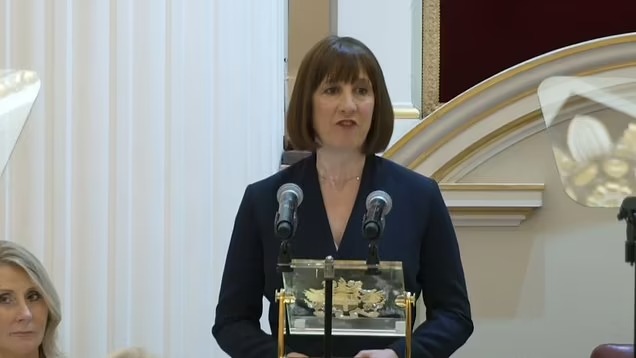
In November 2024, chancellor Rachel Reeves announced reforms to the pensions sector that would see the creation of “megafunds” through the consolidation of defined contribution and local government pension schemes to invest in infrastructure.
And in May, 17 UK workplace pension schemes agreed to invest more in private markets through the Mansion House Accord.
Writing in the opening to the Pensions for Purpose report, Reeves says these reforms will “release billions in new investment into venture funds, fund of funds, growth equity and alternative assets driving innovation”.
Overcoming risk aversion
Pension funds avoid investing in venture capital as it is deemed too risky, delivers less consistent returns, and many lack the in-house expertise to monitor the sector effectively, says the report.
However, Shackleton says the tide is turning.
“Pension funds do want to invest more heavily in venture capital, and that’s what’s happening, slowly, steadily and quietly at first,” she says. “Their focus so far is on later stage VC, partnering with trusted managers and using private equity sleeves [a dedicated portion of a wider fund].”
She adds that “the increasingly supportive policy environment”, such as the Mansion House Accord, means allocations are rising.
Read more @sustainableviews