Canada. We’re not ready for an aging population — and it’s going to cost us
If there’s a single word that defines the Carney government’s first budget, it has to be “generational.” Canada, we’re told, is facing a “generational” shift, one that requires a “generational” investment strategy featuring “generational” investments. But while the word itself appears 45 times in the nearly 500 page document, it’s never actually used to directly address the true generational challenge we face: a rapidly aging population.
This was, and is, a huge missed opportunity. The public is more attuned than usual to the challenges we face as a country, from the threat posed by Donald Trump and our changing relationship with the United States to the growing wealth and opportunity gap between today’s young people and their parents and grandparents. The federal government signaled that it was going to run a massive deficit in order to increase our economic and military sovereignty, one that ultimately places the financial burden for repayment on future generations of Canadians. If there was ever a time to reduce the payments being made to wealthy seniors, as Generation Squeeze and any number of commentators — including myself, many times — have argued is necessary, it’s right now.
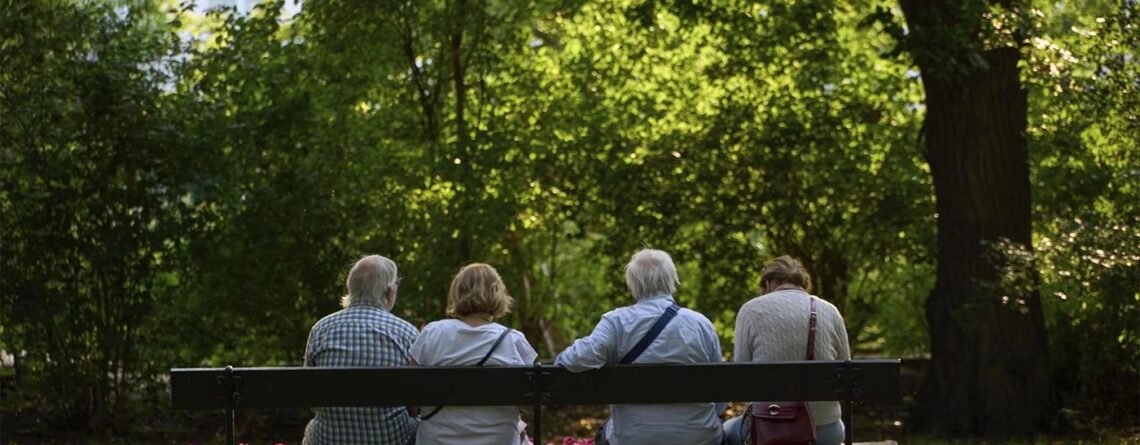
Instead, the federal government decided to avoid the issue of intergenerational fairness entirely. That isn’t going to make it go away, though. If anything, it just makes it harder to deal with. It’s no great secret, after all, that seniors use more healthcare than younger adults, especially as they get into their 80s and 90s. A 2024 CD Howe Institute report estimated that population aging alone could add upwards of $2-trillion to Canada’s shared medical costs by 2050. But that growing bill will have to be paid by a declining number of working-age Canadians, as the ratio of workers to retirees (the so-called “elderly dependency ratio”) drops from nearly seven in the mid-1970s to around three today on its way to the low-two range by mid-century.
As a result, the line item for Old Age Security is expected to grow from $76 billion in 2023 to $104 billion by 2029, a nearly 37 per cent increase that dwarfs almost every other area of spending. The one exception might be healthcare, where our aging cohort of seniors is putting more fiscal stress on provincial systems than they seem capable of handling. As a new report from Generation Squeeze notes, “Across all provinces, aging has effectively added the equivalent of millions of new ‘patients’ to the medical system, and this demographic footprint shows up directly in provincial finances. In nearly every case, the additional costs associated with aging are sufficient to explain today’s deficits.”
In Ontario and Quebec, for example, aging-related expenditures are adding more than $21 billion to annual spending, and turning meaningful fiscal surpluses into large deficits. This is what’s actually breaking our healthcare systems across the country, in provinces governed by both Conservative and NDP premiers, as rapidly rising demand for healthcare services outstrips our ability — or willingness — to fund them properly. It’s what’s giving privatization-curious politicians like Danielle Smith cover for their longstanding desire to introduce more private-sector involvement into their systems. And it’s almost certainly going to keep getting worse, given the inevitable and mostly irreversible nature of demographic change.
We aren’t totally powerless here. Canada could always adjust the point at which Old Age Security payments start getting clawed back to a combined $100,000 of income per household, a move that would save the federal treasury nearly $8 billion annually. Our federal government could use some of that money to more directly help the approximately 400,000 seniors still living in poverty while still having plenty left over to either increase funding for programs and priorities impacting young people or reduce the debts being incurred in their name. If it really wanted to go nuts, it could even scrap the Age and Pension Income Tax Credits, which cost the federal treasury approximately $7 billion each year but fail to reach most seniors with incomes under $25,000 (since they aren’t refundable).
It didn’t do any of that, of course, almost certainly because it wanted to avoid the political risks associated with upsetting senior citizens, who just happened to swing hard towards the Carney Liberals in the last election and who reliably vote in huge numbers. We could, and should, have prepared for this demographic inevitability the way we did with pension reform in the 1990s. But it was easier for both provincial and federal governments at the time to kick that can down the road, and they’ve kept kicking it ever since. As a result, we’re now effectively asking today’s young people — Millennials and Gen Z — to devote 20 to 40 per cent more of the taxes they pay to funding healthcare than Baby Boomers did at the same age, and at a moment where economic anxiety and insecurity (especially around housing) is significantly higher.
Read more @nationalobserver