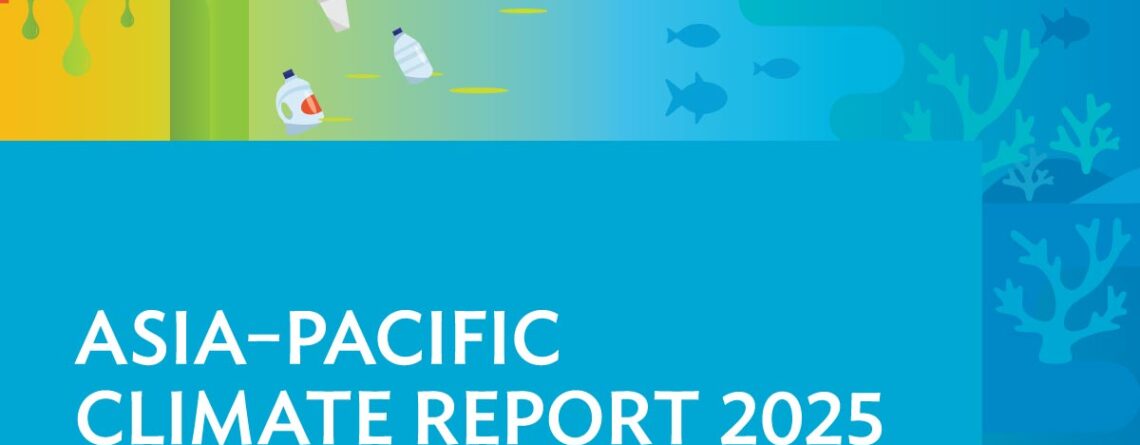
Asia-Pacific Climate Report 2025: Unlocking Nature for Development
By Asian Development Bank
Nature is a core economic asset in Asia and the Pacific, with around 75% of GDP directly or indirectly tied to nature through sectors like agriculture, fisheries, and tourism. Yet, nature remains largely invisible in economic planning. When ecosystems degrade, economies face higher health and disaster costs, reduced productivity, shrinking fiscal revenues, and weakened debt sustainability.
The report highlights that ecosystem services—such as pollination, water purification, and climate regulation—provide multiple benefits, underpinning food security, public health, livelihoods and climate resilience. Healthy ecosystems are important for economic stability and growth, making investing in nature a compelling development strategy.
Governments and private companies are beginning to integrate nature in their decision frameworks, making this a pivotal moment. Finance can play a key role in driving nature-positive transformation, but under the right enabling conditions. Scaling nature finance depends on upgrading the “operating system” of governance, policy, and data. This upgrade will address market failures and policy distortions, and help markets reflect costs of environmental damage and benefits of restoration in prices, policies, and investments. Both public and private finance are necessary: public finance helps create enabling conditions and reduces early-stage risks, while private capital can bring innovation, efficiency, and scale.
Get the report here