Nigel Farage commits to keeping ‘triple lock’ for state pensions if he becomes PM
Nigel Farage today vowed to keep the ‘triple lock’ for state pensions if he’s prime minister – but Reform UK could take the axe to ‘gold plated’ civil service schemes.
After months of internal wrangling within Reform over the issue, Mr Farage said the triple lock ‘is going to stay’ if his party wins the next general election.
There had previously been signs of a split at the top of Reform over the triple lock, which sees state pensions increase in line with whichever is highest out of average earnings growth, inflation or 2.5 per cent.
Mr Farage earlier this year claimed the future of the guarantee is ‘open for debate’, despite Robert Jenrick – Reform’s Treasury spokesman – being a vocal supporter of the policy.
Economists have raised concerns about the financial sustainability of the triple lock, due to the UK’s aging population and the fact Britons are living longer.
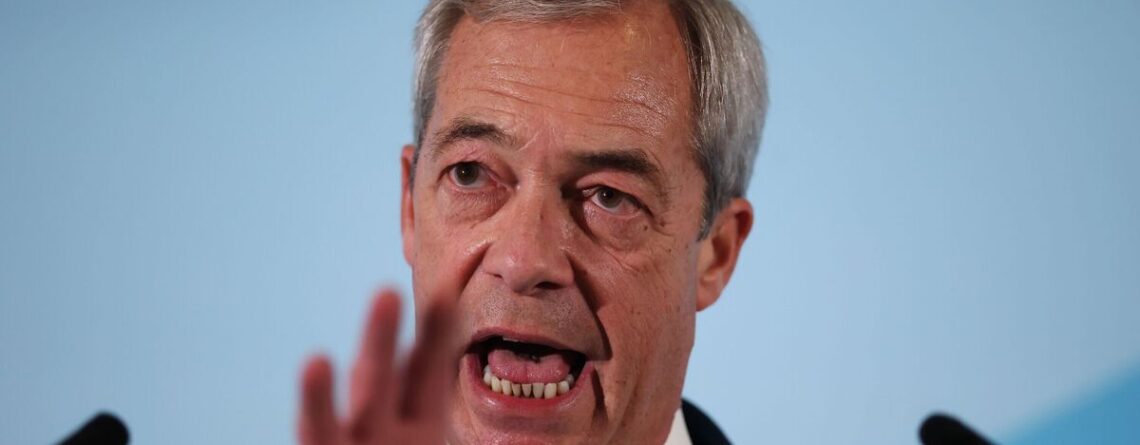
But, speaking at a press conference in central London on Thursday, Mr Farage confirmed Reform had resolved to keep the policy in place.
‘When I said the jury’s out on the triple lock and what we would decide to do… what I meant was the jury’s out. Not that I’d made my mind up either way,’ the Reform leader said.
‘And we have discussed it, and we have debated it, and we’ve decided it’s going to stay.’
The ‘triple lock’ has been in place since 2011 and has resulted in increases significantly outpacing the rest of the economy, particularly during spikes in inflation.
The rate is due to go up by 4.8 per cent this month.
Labour has committed to keeping the lock for the duration of this Parliament, but experts have raised concerns about the burden on the Treasury, with the finances under increasing pressure.
Proposals for change have included setting the state pension at a fixed proportion of average earnings, or moving to a more limited ‘double lock’.
Explaining why he had decided to commit Reform to keeping the triple lock in place, Mr Farage said the party had found it could afford the policy ‘many, many times over’ thanks to proposed cuts to Britain’s welfare bill he will soon unveil.
Read more @msn