US. Texas state pension funds face benchmark dilemma over banned investments
The Employee Retirement System of Texas (ERS) is set to switch to a custom benchmark from Bloomberg allowing it to exclude the long list of companies it is banned from investing in from performance comparisons.
Texan statewide pension funds are currently prohibited from investing in companies allegedly boycotting fossil fuel or Israeli investments, or that allegedly have operations in Iran. Lists of such firms are determined by the state’s comptroller.
The comptroller also directed funds to divest from China late last year. Separate requirements passed into law in June will see the funds formally banned from companies based on involvement with China, Hong Kong, North Korea, Russia or “other countries of concern”, with a list due to be published by the start of next year.
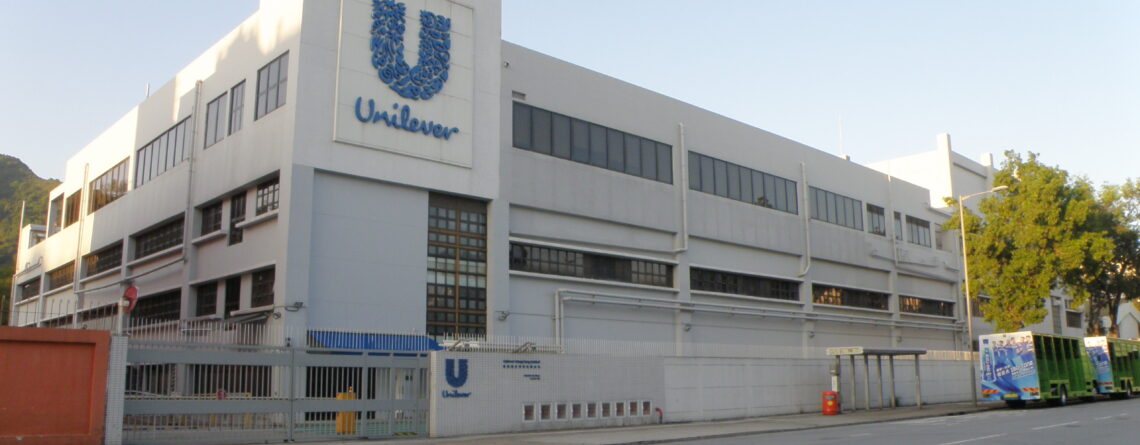
This long list of firms includes large financial institutions such as HSBC, Schroders and UBS, as well as corporates including Unilever, allegedly an Israel boycotter, and Glencore, which has been accused of operating in Iran.
ERS had previously benchmarked its public equity investments against a version of the MSCI ACWI, but members of the fund’s investment advisory council were informed of the planned switch to the Bloomberg solution on Wednesday.
Staff members at the $42 billion fund wrote ahead of the meeting that they believe the move will “save hundreds of thousands of dollars in index licensing fees annually”.
Laurie Dotter, who chairs the ERS advisory board, said: “The groups that produce indexes have realised how widely they are used, and the information and data that’s in those indexes is widely sought after. So, as you can imagine, the fees for those continue to climb.”
Dotter added that the move, which will also cut most small-cap companies, more closely matches “what is available to us as an investible universe both practically and legally”.
The custom benchmark will allow Bloomberg to cut or add companies back in as the divestment lists maintained by the Texas comptroller’s office are changed in “nearly real time”.
This would allow “reflection of the opportunity set to better manage geopolitical risk and thus comply with the intent of these statutes”, staff said.
Other funds subject to the divestment law have taken varying approaches.
For its global equity investments, the Teacher Retirement System of Texas – the largest pension fund in the state and one of the largest in the world – uses MSCI benchmarks which exclude China and Hong Kong as well as “securities TRS is not authorised to own or buy because of … statutory provisions”.
The $44 billion Texas Municipal Retirement System adopted an ex-China ex-Hong Kong benchmark at the start of the year, while the Texas County and District Retirement System (TCDRS) uses unchanged versions of various MSCI and Dow Jones indexes.
TCDRS did not respond to a request for comment on its benchmarking plans.
Meanwhile the $57.3 billion Texas Permanent School Fund – also subject to divestment statutes – exited its entire emerging market public equity allocation in February 2024.
A spokesperson for the Texas comptroller’s office declined to comment on the question of benchmarking as “each investing entity has fiduciary duties to the various beneficiaries of the pools of capital they invest”.
The Texas funds are not the only public investor to take an approach of cutting divested firms out of their benchmarks. For example, Norges Bank Investment Management excludes companies subject to ethical exclusions from its benchmark index.
Read more @responsible investor