Lords debate UK Pension Schemes Bill role in the future of LGPS
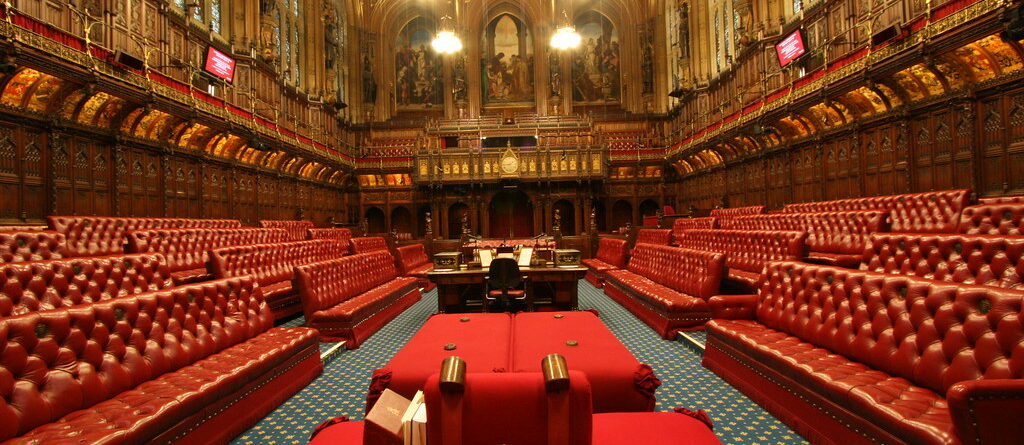
Peers have debated the UK government’s intervention in the Local Government Pension Scheme (LGPS) as the Pension Schemes Bill reached the committee stage in the House of Lords this week.
After a full debate on the key principles of the Bill, which took place during a second reading on 18 December, the Bill is now being scrutinised by the members of the House of Lords.
During the reading, peers discussed several clauses concerning LGPS, with amendments proposed to clarify the reasoning behind the Secretary of State’s power to direct scheme managers to participate in or withdraw from asset pools, as well as the government’s expectations regarding the transitional arrangements.
Peers have also discussed how the government would envisage the relationship between scheme managers and strategic authorities operating in practice.
Introducing the Bill’s amendments, Viscount Younger of Leckie said the amendments raise “important questions”.
“They concern not only the intent of the provisions but how they will operate in practice, how they will interact with existing LGPS governance and funding arrangements, and whether they genuinely address the problems that they are purported to solve.
uk parliament
“Clarity on these points is essential if we are to ensure that the Bill strengthens, rather than inadvertently weakens, confidence in the Local Government Pension Scheme,” he noted.
Younger said that LGPS, with nearly £400bn in assets, is “uniquely positioned both to deliver strong outcomes for members and support productive investment across regions”.
He has, therefore, asked: “Why [does] the government consider it necessary to take the power to prescribe in regulations where administering authorities must take advice from? How [does] the government justify the level of direction given that administering authorities already have established fiduciary duties and governance frameworks? To whom [does] the government envisage advice being limited? Does this power mean that authorities could be constrained to a prescribed list of advisors?”
Earlier this year the UK pensions minister called on ACCESS and Brunel Pensions Partnership to disband, leading participating pools searching for a new home.
Lord Fuller expressed concern that this kind of intervention in the future would weaken LGPS’s success.
He claimed that the government’s intervention has already damaged the scheme for “no good reason”, pointing to what happened to ACCESS and Brunel.
He also claimed that the government’s intention to direct investment is “wrong”, pointing to the Swedish example where pension schemes lost £1bn in the Northvolt disaster, where virtue-signalling political investment directions made the members and taxpayers poorer.
He said: “The harsh lesson is that the schemes become the plaything of meddlesome ministers to require or prohibit, or to opine on lofty ideas, but without the responsibility or accountability of paying out. It is wrong.
Responding to the concerns behind the amendment, government whip Lord Katz assured the Lords that the government shares the aim of ensuring that administering authorities can continue to comply with their fiduciary duty to act in LGPS members’ best interests.
He said: “I assure the committee that the government [is] not seeking to undermine the fiduciary duty of local pension funds in any way. The responsibility to set an investment strategy, which is the key driver of investment returns, will remain with funds.”
Read more @ipe