Gen X Americans Face New Retirement Savings Threat
Generation X Americans could face new pressure on their retirement savings as the economic fallout from the war in Iran ripples through global markets.
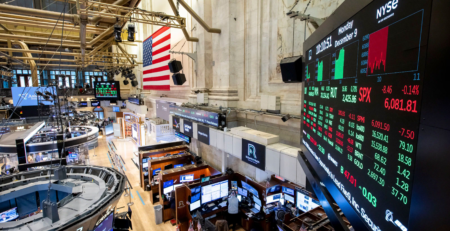
Now in its second week, the U.S. helmed conflict has pushed oil prices up sharply as bombing impacts regions critical to the production and movement of energy from the Persian Gulf. The price of Brent crude, which is the international benchmark, has surged to $119.50 per barrel. This morning, the NASDAQ fell by more than 1 percent. The Dow Jones Industrial Average, which tracks 30 major U.S. companies, dropped 1.3 percent, while the S&P 500—widely viewed as a benchmark for stable, profitable firms—declined 1.14 percent.
Retirement accounts such as 401(k)s and IRAs are not invested in the conflict itself. But experts say wars that disrupt energy supplies can affect savings through broader economic forces including inflation, higher interest rates and volatile financial markets. Those pressures tend to hit hardest for Americans closest to retirement, particularly Generation X, which broadly covers those born between 1965 and 1980.
Gen X
Experts say Gen X faces the most exposure to the economic ripple effects of the conflict. Many members of the generation, now in their 40s and 50s, are nearing retirement while still relying heavily on market-based savings rather than traditional pension plans.
“Gen X is especially exposed to the economic consequences of war because the older members of the cohort are starting to consider retirement,” Ilir Salihi, founder and senior editor at IncomeInsider.org, told Newsweek. “Any market shock matters more the closer you are to retirement. If markets drop just as you’re about to start making withdrawals, the damage is much harder to recover from than it is for someone with decades of investing still to go.”
Stock image/file photo: A piggy bank is seen on top of U.S. Dollar bills. | GETTY
“Many members of Gen X have historically relied upon the 401(k) and IRA for retirement income, as opposed to a defined pension plan,” Misha Rose, an entrepreneur and financial educator, told Newsweek.
That reliance means sudden market swings triggered by geopolitical or energy shocks could have a greater impact on their retirement portfolios than on those of younger investors.
“Volatility will tend to have a greater effect on individuals who are close to retirement; they do not have enough time to allow for recovery in down stock or bond markets,” Rose continued.
How the War Affects Retirement Accounts
Oil prices tend to spike when geopolitical events threaten global supply or major shipping routes, and the current war has raised concerns about disruptions in key transit points such as the Strait of Hormuz.
“401(k)s are always indirectly exposed to the economic ripple effects of war,” Salihi said. “The war in Iran has already had a significant effect on oil prices, pushing Brent crude to its highest level since 2022 due to disruptions in the Strait of Hormuz shipping lane and broader fears about global energy shortages.”
Rising oil prices often lead to higher costs throughout the economy.
“Higher oil prices directly feed into gas prices, travel costs, fertilizers and agricultural inputs, home heating costs, and plastic consumer goods,” Salihi continued.
As those costs rise, inflation can accelerate and consumer spending can weaken, both of which tend to weigh on financial markets.
“Although retirement accounts don’t hold direct investments in any given war, geopolitical events impacting oil supplies can have far-reaching effects on the global economy,” Rose explained. “Oil price increases also cause an uptick in inflation and transportation costs, increasing pressure on corporate profits while creating overall market volatility that can affect investment performance in both 401(k) and IRA accounts.”
Inflation and Interest Rate Pressures
Higher energy costs can also erode the real value of retirement income.
Inflation reduces purchasing power, meaning withdrawals from retirement accounts may not stretch as far. Fixed income sources such as pensions or annuities without strong inflation protection can also lose value over time.
At the same time, persistent inflation can keep interest rates higher for longer. That can affect both bond prices and stock valuations within retirement portfolios.
“Even conservative retirement investors with significant bond holdings can struggle if inflation expectations jump,” Salihi said. “401(k) bond funds typically don’t hold bonds to maturity, so their prices move with interest rates and the bonds they hold with lower coupons fall in market price. Even if individual bonds are held to maturity, rising inflation erodes the real value of the fixed payments they return.”
Read more @newsweek