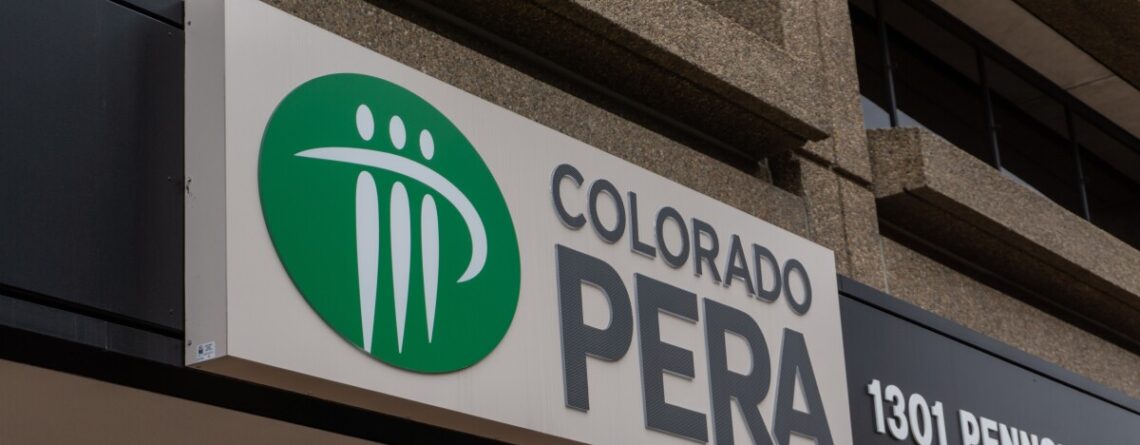
US. As retiree pensions shrank, Colorado PERA paid its staff millions of dollars in bonuses
In 2022, the Colorado state pension fund had its worst year since the Great Recession, losing $9.8 billion.
The losses were so large, they set the Colorado Public Employees’ Retirement Association’s finances back for years, digging a hole that the pension is only now starting to climb out of.
But in the aftermath, PERA’s investment managers took home some of their largest bonuses ever.
On average, PERA’s investment staff more than doubled their take-home pay, earning bonuses of $299,000 — the equivalent of tacking an extra 124% onto their salaries.
Nine investment officials received more than $400,000 each in annual incentive payments that are supposed to reward good performance. Two people tripled their salaries through the incentives.
All following a year in which PERA’s investments faltered badly.
PERA’s board of trustees has adopted an aggressive compensation policy to attract financial sector talent and keep its investment staff from leaving for better pay. The practice has become increasingly common across the country, pension experts say, as public sector retirement systems struggle to compete with endowments and private investment firms for employees.
But while many of PERA’s counterparts put limits on how much their investment staff can earn, Colorado’s pension board has imposed few constraints, setting pay targets well above its peers.
Some employees will reap the rewards for life; under Colorado law, incentive pay counts toward their future retirement benefits.
In an interview with The Colorado Sun, top PERA officials defended the practice, saying the bonuses more than pay for themselves. Over the last decade, PERA’s 8.3% investment return ranks in the top 10% of public pensions. And, pension officials say, if they outsourced more of their investments to private firms, it would cost far more than doing it in-house. One study found that outside investment management can cost pensions three times more than using their own staff.
“Our mission is to provide retirement security for our members, and so that means we need to recruit and retain the talent necessary to run PERA according to best practices,” Andrew Roth, PERA’s executive director, told The Colorado Sun in an interview. “From the investment program perspective, that means we have to attract and retain talented individuals who are able to outperform the market.
“We could turn the investment program over to the private sector to run for us; we’d pay about $80 million a year more,” Roth said. “In order to retain the talent we have, I view our compensation program as a financial safeguard for our retirees and for our members.”
But critics see a disconnect between how PERA pays its staff and the grim financial reality faced by the people it serves. Since 2010, PERA has gone through two rounds of benefit cuts and contribution hikes to try to close a $29 billion funding gap. In that time, retired state workers, school teachers and bus drivers have lost 21% of their pensions’ value to inflation, according to a report PERA released in December.
For the average PERA retiree making $39,000 a year from their pension, that’s the equivalent of a $8,000 pay cut.
Read more @coloradosun