China. Private pension system seen in need of upgrade
How much savings does a person in China need for retirement? A report released by Sun Life Financial Inc, based on a quantitative survey of 3,201 respondents and more than 20 expert interviews, found that 65 percent of respondents believe 1 million yuan ($148,200) is sufficient. However, the report estimates that a retiree spending an average of 5,000 yuan per month over a 30-year retirement would need at least 1.8 million yuan, assuming no inflation.
Data released by the National Bureau of Statistics on Jan 19 showed that by the end of 2025, China’s population aged 60 and above had reached 323.38 million, accounting for 23 percent of the total population.
In September 2022, an official with the National Health Commission said China’s population aged 60 and above is expected to exceed 400 million by around 2035, accounting for more than 30 percent of the country’s total population.
Sun Life’s report found that China’s traditional multigenerational living arrangement is gradually giving way to more independent retirement lifestyles. Nearly 60 percent of adults aged 60 and above now live alone or only with a spouse, while as many as 82 percent make their own retirement decisions.
The report said Chinese residents are moving toward a new stage of “self-directed, quality retirement”. Retirees increasingly seek independence and professional elderly care.
“Enjoying retirement” has become a major priority, with older adults showing a greater willingness to spend on emotional well-being, leisure and social experiences. More than 65 percent of surveyed seniors who are capable of living independently said they would spend at least 500 yuan — and in some cases several thousand yuan — per month on experiences that improve their quality of life. Meanwhile, “remaining productive in old age” reflects growing demand among seniors for lifelong learning and continued social participation.
The survey also found significant generational differences in retirement planning. Older generations still rely mainly on the basic pension scheme and financial support from their children, while those under 60 are more inclined to rely on their own savings and investments. Commercial insurance has become much more common among younger generations, highlighting a shift toward proactive retirement planning.
Speaking at a closed-door conference hosted by China Business Journal in June, Gao Songfan, a veteran pension finance expert and former vice-president of E Fund Management, said China’s private pension scheme, launched in November 2022 in 36 pilot cities and regions, has enriched the country’s three-pillar pension system by offering diverse pension asset allocation options for people with different employment backgrounds and financial needs.
By the end of 2025, more than 150 million private pension accounts had been opened, Gao said.
“Every individual is ultimately responsible for his or her own retirement security,” he said, adding that people should actively prepare for retirement and gradually increase the share of retirement assets in their personal and family wealth.
Despite rapid account growth, the private pension scheme still faces significant challenges. Over 70 percent of the accounts opened are inactive, while only about 22 percent of account holders actually make contributions. Average annual contributions remain well below the maximum tax-deductible limit of 12,000 yuan per year, and less than 10 percent of pension assets are invested in equity products, Gao said.
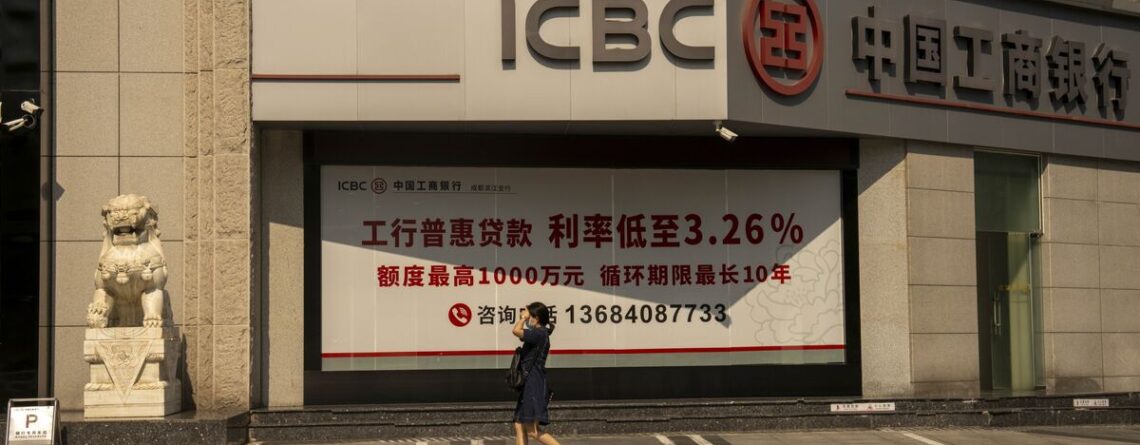
At the conference, Lyu Aiguo, deputy general manager of the pension finance department at Industrial and Commercial Bank of China, said three key factors are holding back the development of the private pension scheme. First, the wide range of pension financial products makes it difficult for customers to choose suitable investments. Second, there is still room to improve the returns and stability of these products. Third, many account holders are reluctant to invest, leaving a large share of pension funds sitting idle.
Read more @pressreader