South Korea. Elderly income up 80% in a decade, but pension gap triples
South Korea’s elderly are moving away from relying on allowances from their children, with public pensions — the national pension and the basic pension — becoming the primary source of income in old age.
Annual income per elderly person rose roughly 80 percent over the past decade driven by public pensions, and the share of seniors receiving both the national pension and the basic pension nearly doubled.
Yet the income gap between those receiving the national pension and those dependent solely on the basic pension has widened to more than three times, underscoring the urgent need for measures to protect the most vulnerable elderly.
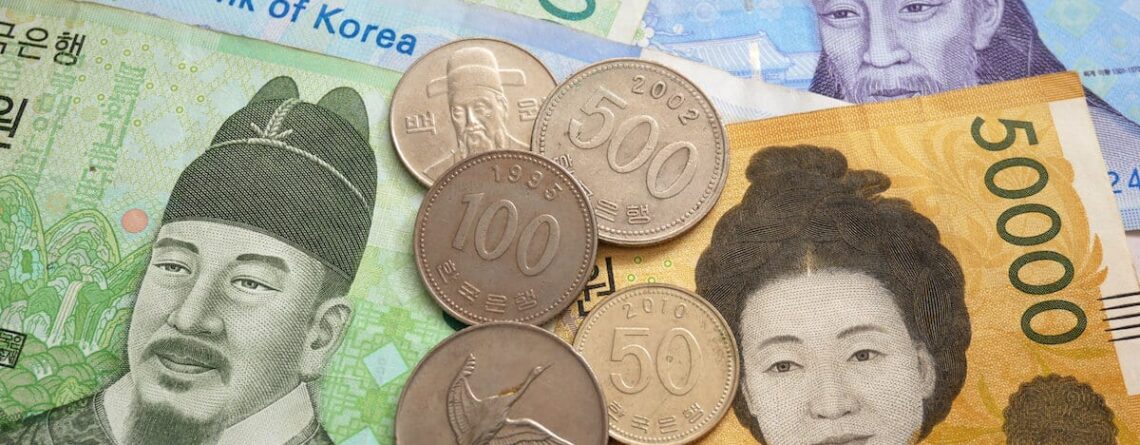
According to a report published in issue 121 of the National Pension Research Institute’s “Pension Issues and Trend Analysis,” total annual income for Koreans aged 66 and older rose 79.2 percent — from 7.75 million won ($5,560) in 2013 to 13.88 million won in 2023.
Family allowances shrink as public pensions account for 28% of elderly income
Public pensions were the single biggest driver of income growth among the elderly.
The share of public pension income — covering the national pension, the basic pension, and those receiving both simultaneously — in total elderly income rose from 16.5 percent in 2013 to 28.2 percent in 2023.
Over the decade, income from the national pension alone grew 177.5 percent and income from the basic pension rose 156.2 percent, while income among those receiving both jumped 299.7 percent.
By contrast, the share of private transfers — money received from children or other relatives — fell sharply, from 20.9 percent in 2013 to 12.1 percent in 2023. The actual amount of private transfer income grew just 3.9 percent over the same period.
The traditional model of relying on children’s financial support in old age is giving way to a state-backed public income security system.
By pension type, the share of seniors receiving both the national pension and the basic pension jumped from 12.8 percent in 2013 to 23.5 percent in 2023. The share receiving only the national pension also rose, from 8.4 percent to 12.2 percent. The share receiving only the basic pension fell from 59.8 percent to 47.4 percent.
Read more @mbizheraldcorp