Japan centenarian population reaches 100,000 as welfare costs rise
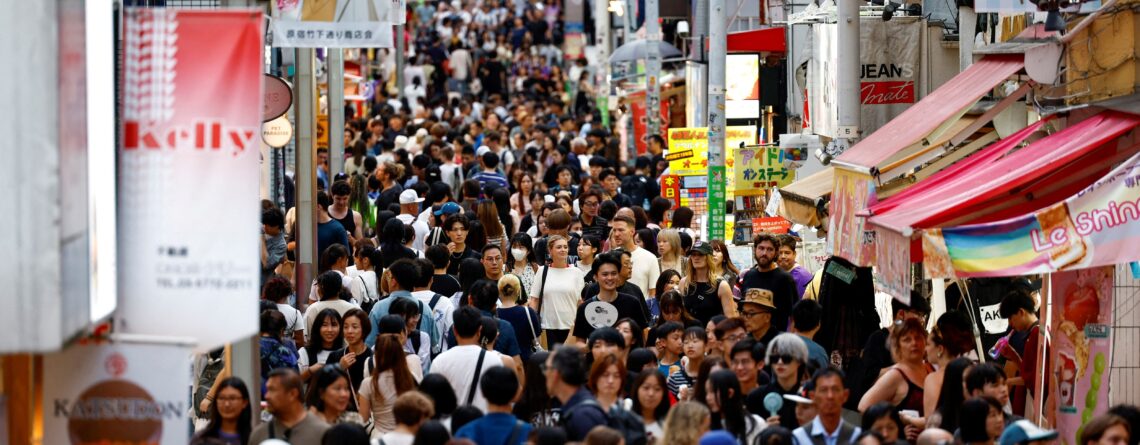
The number of centenarians in Japan now exceeds 100,000 for the first time, a milestone that highlights the country’s remarkable longevity as well as the mounting costs of caring for its rapidly ageing population.
The number of people who are 100 years old or older climbed to a record 107,677 as of Sept 15, according to a Health Ministry report released that day. The tally has risen sharply over the decades, from just 153 centenarians when records began in 1963 and around 10,000 in 1998.
The milestone reinforces Japan’s status as a global leader in lifespans, reflecting advances in public health and medical care as well as relatively healthy diets and active lifestyles. Separate United Nations estimates put the global centenarian population at about 672,000, with Japan having the most of any country by far.
Japanese women are particularly long-lived, comprising about 88 per cent of the country’s centenarians. Research has linked their longer lives in part to historically lower exposure to smoking, heavy drinking and fatal accidents.
The rising number of elderly also highlights the fiscal strain created by Japan’s rapidly ageing population.
Roughly one in three residents, or around 40 million people, now receive public pensions, while a shrinking pool of workers must finance rising spending on pensions, healthcare and elderly care – at a time when the government is also seeking funds for priorities ranging from defence to its growth strategy.
The ministry’s report offered snapshots of life beyond 100.
Some centenarians enjoy hobbies such as karaoke and ground golf, a sport somewhere between golf and croquet, while others help preserve memories of World War II by sharing their experiences with younger generations.
A few remain at work, including some who still tend fields in rural areas.
Read more @straitstimes