UK State Pension Triple Lock To Be Scrapped, Andy Burnham Says
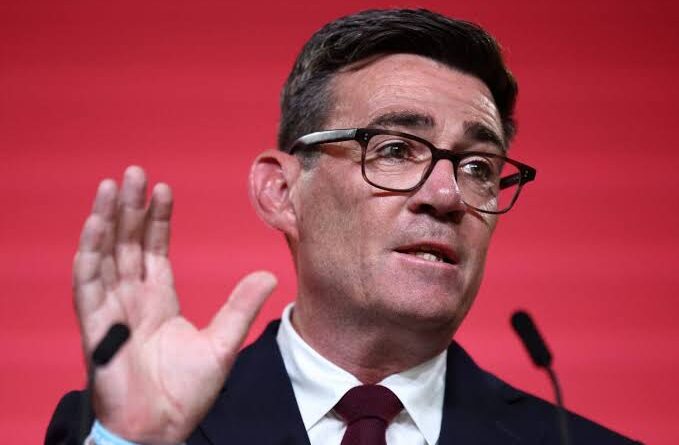
Millions of state pension holders will now receive a less generous retirement income as a result of changes announced by Prime Minister Andy Burnham at the 2026 Labour Party conference. The pivot, which will mean the state pension “triple lock” will be downgraded to a “double lock,” comes after intense pressure from across the political spectrum.
Under the existing system, the state pension triple lock uprates annual state pension payments by the higher of wage increases, inflation, or 2.50%. Under proposals due to be implemented after the next general election, the wages link will be removed, leaving state pension payments to be determined by the higher of CPI or 2.5% only.
Pensions experts have broadly welcomed the decision, which they say shows the Andy Burnham government is willing to grasp difficult questions around the fiscal affordability of retirement savings policies. The change marks “the beginning of a debate that has been postponed for too long,” says Adam Cole, retirement specialist at Quilter.
“The triple lock has undoubtedly succeeded in improving pensioner living standards and protecting retirees through periods of high inflation, but growing longevity, demographic pressures and rising state pension costs mean questions about its long-term affordability and sustainability can no longer be avoided,” he adds.
What Is the State Pension Triple Lock And How Will it Change?
Introduced by the then-coalition government in 2011, the state pension triple lock came as part of a package of changes that put an end to decades of state pension means testing, instead creating a new “flat-rate” system based on an equal treatment of men and women.
The triple lock has increased the value of the state pension from just over £100 a week for a single person in 2011 to £241 a week in April 2026. In 2023, when high inflation drove a 10% increase, the annual state pension moved above £10,000 for the first time, and is now around £12,500, just below the threshold when an individual starts paying tax.
Between 2011 and 2026, the policy’s wages link has dictated six of the state pension’s 16 payment uplifts, a factor that economists have argued contributed not only towards its unaffordability, but towards a more precarious UK fiscal position overall. The Office for Budget Responsibility, the government’s own tax and spending watchdog, has previously said the triple lock has cost three times more than originally expected, and will likely burden the UK with over £15 billion in annual payments within a few years. The OBR says the policy puts the government’s finances on an “unsustainable path.”
More recently, high-profile politicians calling for an end to the policy have included former Chancellor Jeremy Hunt and former Prime Minister Tony Blair. The Labour government under Keir Starmer and Rachel Reeves also had to grapple with the possibility that state pension payments would breach the personal allowance, which it is now set to do.
Proposals to change the triple lock to a double lock date back as far as 2017, when the prime minister Theresa May proposed changes to the policy ahead of the general election, which itself resulted in the then-Conservative leader losing a parliamentary majority in Westminster.
Read more @morningstar