Wealthy French quit failing state schools squeezed by pensions and austerity
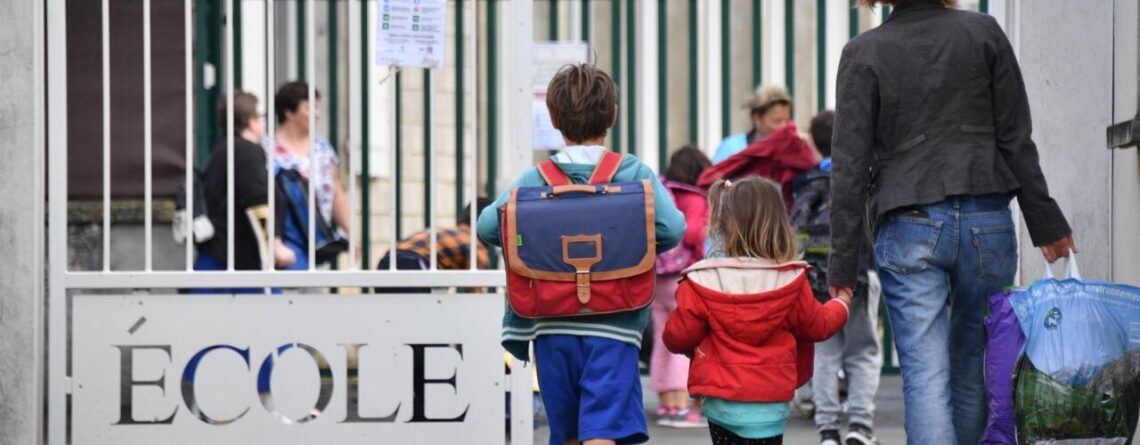
Clemence Remy moved to the French city of Nantes in 2020 and enrolled her two girls in the local state school. The teachers were good, but she grew so exasperated by rolling staff strikes that she eventually put them in a private school.
Those concerns about state schools have helped fuel some of France’s most violent protests in decades. They began last month at high schools in Paris’ poor northern suburbs, where anger over teacher absences and shabby facilities quickly morphed into a nationwide movement against inequality, weak public spending and falling standards.
France’s public schools have long been held up as a crucible of the republican ideal, a place where children from rich and poor families alike can receive a top-notch education imbued with the values of “liberty, equality and fraternity”.
But performance has been slipping for years, and the government is struggling to arrest the slide as gigantic pension outlays and a need to rein in public finances leave little room for manoeuvre.
Those issues have prompted a growing number of wealthier parents to abandon the public sector in favour of private schooling. Remy said the strikes at her daughters’ school in Nantes, a left-leaning city in western France, were often last-minute, requiring repeated time off work with little notice.
“School is an institution we should be able to rely on,” she said. “In the end, you realise you can’t rely on the system.”
Standards Fall As Pensions Gobble Up Shrinking Funds
The maths and reading levels of French 15-year-olds have fallen drastically since 2003, reaching a record low well below the Organisation for Economic Co-operation and Development average, according to the body’s 2025 “PISA” results.