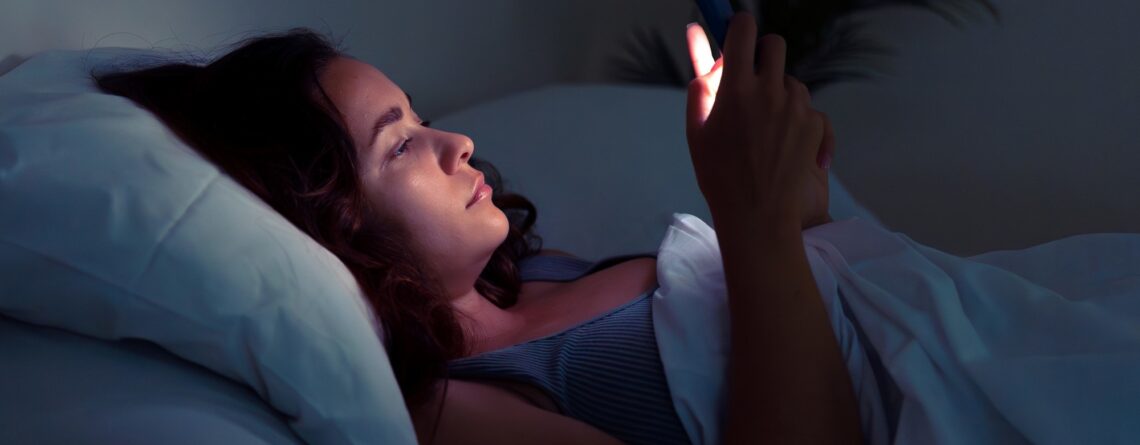
Is “staying up late” linked to disability? What a 12-year Finnish study revealed about evening-type people
People who naturally stay awake late at night may face a higher risk of receiving a disability pension before reaching retirement age, a new study suggests. Researchers found that evening-type people had about a 70% higher risk than morning types. However, the finding does not mean that being a night owl directly causes disability.
What did the study on night people find?
Researchers in Finland followed 5,679 adults for 12 years, using information collected in 2012 and national pension records through 2023. The participants were assessed according to their chronotype, or their natural preference for sleeping and being active at particular times of the day.
People were broadly classified as morning, evening or intermediate types. During the follow-up, evening types showed a higher likelihood of receiving a disability pens…
Who were more likely to take pension?
Among men, 8.3% of evening types received a disability pension, compared with 5% of morning types. Among women, the figures were 12.1% and 7.2%, respectively. Overall, the researchers calculated that evening types had about 1.7 times the risk of receiving a disability pension compared with morning types.
Among men, 8.3% of evening types received a disability pension, compared with 5% of morning types. Among women, the figures were 12.1% and 7.2%, respectively. Overall, the researchers calculated that evening types had about 1.7 times the risk of receiving a disability pension compared with morning types.
Why Could Night Owls Face Higher Risk?
The researchers found that evening types also tended to report poorer health, sleep difficulties and lower physical activity. These factors may help explain the association.
Another possible explanation is a mismatch between a person’s biological clock and conventional working hours. People who naturally become alert later may struggle with schedules that require early starts.
The 70% Figure Needs Context
The apparent increased risk became statistically non-significant after researchers adjusted for factors including self-rated health, body mass index, smoking, alcohol consumption and physical activity.
This suggests that being an evening type itself may not be the main reason for the higher disability-pension risk. Instead, poorer health and lifestyle factors could account for much of the association.
Does being a Night Owl cause disability?
Not according to this study. The research was observational, meaning it can identify an association but cannot establish that a late-night sleep preference causes disability. The researchers also said the findings need to be replicated in other populations and healthcare systems. For now, the study suggests that the health profile associated with being an evening type.
Read more @moneycontrol