Ageing Well for Indigenous Peoples: Closing the Health Equity Gap
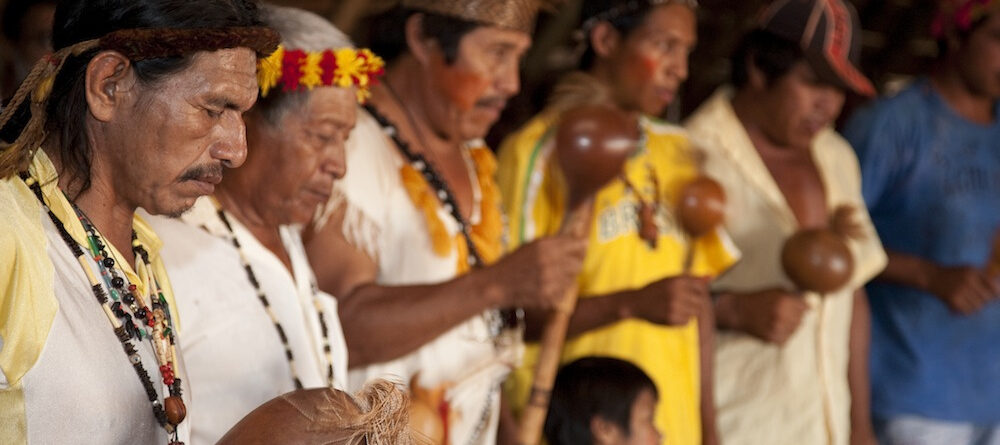
On August 10, International Day of the World’s Indigenous Peoples was observed–a day to honour the cultures and traditions of Indigenous populations. There are an estimated 476 million Indigenous people globally, living across 90 countries and representing more than 5000 different cultures. Despite the vast diversity in social, cultural, economic, and political characteristics, Indigenous peoples face similar adversities, rooted in common histories of colonialism and oppression that removed ancestral lands and aimed to destroy cultural identities. Indigenous populations worldwide continue to be burdened by perpetual marginalisation and systemic inequities, including food insecurity and extreme poverty, which collectively contribute to poorer health and reduced quality of life compared to the general population. Consequently, though life expectancies of Indigenous populations are gradually increasing, parallel gains in healthspan are markedly lagging. Tailored healthcare for older Indigenous people, which consider their unique worldviews and perspectives on healthy ageing, are urgently needed to ensure optimal and equitable care for these populations.
Healthy ageing is hindered by pronounced health inequities, with Indigenous people more vulnerable to age-related conditions such as cognitive impairment and sensory impairments. For example, a 2024 systematic review published in The Lancet Healthy Longevity reported higher prevalence and earlier onset of dementia and cognitive impairment among Indigenous peoples compared to non-Indigenous populations. Building on these observed elevated rates, a study in The Lancet Regional Health-Americas explored modifiable risk factors for dementia in Native American or Alaska Native populations and found that cognitive health inequities were, in part, driven by lower levels of education and income.
Tailored approaches are required to address these adverse health outcomes. Indigenous notions of healthy ageing often differ from non-Indigenous perspectives. For example, older Māori in New Zealand define healthy ageing in accordance with whakawhanaungatanga, a Māori concept of forming relationships with one another and with the world; First Nation Elders in Australia view ageing as holistic, encompassing art, tradition, and ceremonies. Neglecting these distinct notions risks poor engagement and low uptake, further exacerbated by mistrust in conventional medicine. In a qualitative study on experiences with healthcare, Native Hawaiian kūpuna (elders) shared that, while they used non-Indigenous medical practices, they preferred traditional holistic treatments, including prayer (pule) and herbal medicines (lā‘au lapa‘au). To ensure that interventions are culturally sensitive, older Indigenous adults must be included as informants in their development, implementation, and evaluation. Not only would this ensure that health programmes are appropriately tailored and culturally relevant, but it would also foster the important role of Elders as transmitters of intergenerational traditional wisdom – a revered role that has been shown to be an important component of ageing well and a protective health factor. Beyond culturally relevant interventions, healthcare providers must be trained in treating older Indigenous patients. Qualitative research has shown that Indigenous patients often perceive providers as lacking knowledge and respect of Indigenous culture. Further, older Indigenous patients often experience racist and discriminatory behaviours in healthcare settings, including medical dismissal, often resulting in disengagement from care. To ensure optimal healthcare, person-centred care delivered by providers who are knowledgeable of traditional Indigenous healing practices is essential. Moreover, to overcome mistrust in healthcare, continuity of healthcare is crucial to build trusting patient–clinician relationships. Finally, social care services, including long-term care, must be strengthened. Strong ties to ancestral lands, community, and family make ageing in place highly desirable for Indigenous older people. However, poor housing conditions and difficulties in accessing specialist services can render it difficult for older Indigenous people to remain at home.
Indigenous people are often ageing in poor health, and considerable health inequities remain. To close the gap, health care must be made accessible, safe, and effective and, accordingly, must embody the traditional holistic approaches to health of older Indigenous peoples, where culture, community, ancestral land, and spirituality underpin healthy ageing. Decolonising healthcare is imperative to ensure healthy ageing for Indigenous populations.
Read more @thelancet