China Makes Maternity Payment Change in Bid To Boost Birth Rate
A total of 25 Chinese provinces will be distributing maternity leave payments directly to mothers by next month, as part of a broader effort to reverse the country’s flagging birth rate, officials said on Monday.
Why It Matters
Roughly two-thirds of the global population now lives in countries where the fertility rate has fallen below the replacement level of 2.1 births per woman, according to the French Institute for Demographic Studies.
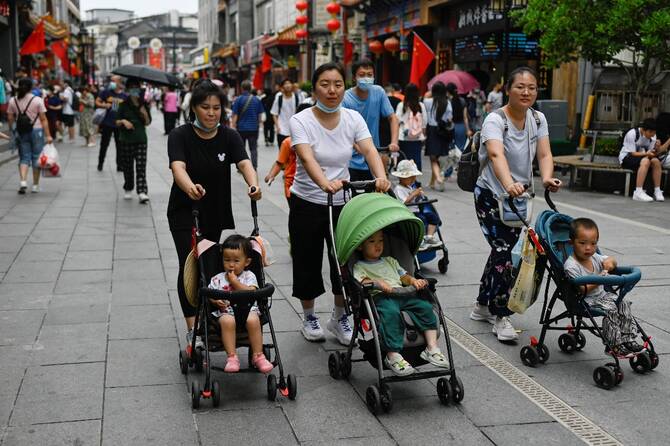
China’s fertility rate—at just 1.0—is among the lowest in the world, raising alarm over the long-term effects on the world’s second-largest economy. Workplace discrimination and other employer difficulties are frequently cited by Chinese women as reasons for delaying or forgoing childbirth
What To Know
The subsidies cover living expenses during the standard 98-day period of maternity leave, including 15 days before childbirth. Historically, it is employers who have distributed these payments after receiving funds from local healthcare security offices.
Starting November 1, mothers in 25 provinces will receive their maternity allowances directly, the National Healthcare Security Administration (NHSA) said in a statement on Monday.
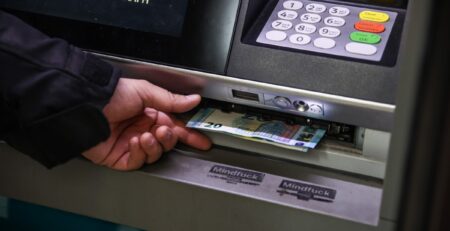
The reform is designed to streamline payments by transferring them straight into recipients’ bank accounts, easing the financial burden on families and reducing delays and withholdings that have plagued the previous system, demographer He Yafu told the state-owned Global Times.
A woman surnamed Wang, who lives in the city of Zhuzhou in Hunan province, welcomed the change, telling state broadcaster CCTV News she had waited eight months to receive her maternity allowance under the previous process.
What People Are Saying
He Yafu told the Global Times the policy will address the realities of China’s evolving labor market, including by ensuring that gig economy workers and others without formal employers receive their full social security benefits.
The NHSA said in its statement: “Direct dispersal of subsidies ensures that the public enjoys a more convenient and efficient service experience, effectively enhancing convenience and satisfaction in administrative procedures.”
What’s Next
The new payment model will eventually cover up to 90 percent of all administrative areas where social insurance funds are distributed, according to the NHSA.
Seven provinces, municipalities, and special administrative regions—including Beijing—have yet to fully implement the direct subsidy system but are expected to do so in the coming months.
It remains to be seen whether this and other incentives, including a new nationwide cash allowance per child, will be enough to slow China’s birthrate decline.
Read more @newsweek