How Trump’s Greenland tariffs will hit investments and pensions – and what to do
Investors and pension savers are worried about the impact that tariffs could have on their money
Stock markets across the globe have dipped after Donald Trump said he would charge tariffs on multiple European countries including the UK until a deal is reached for Washington to purchase Greenland from Denmark.
The US President said he would impose a 10 per cent tariff “on any and all goods” sent to the USA from 1 February, increasing to 25 per cent from 1 June. The tariffs will apply to Britain, Denmark, Norway, Sweden, France, Germany, the Netherlands and Finland.
His threat – and suggestions that retaliatory tariffs could be levied – has been followed by global stock markets falling across the world.
However, the reaction has not yet been as dramatic as some of the plunges seen after Trump announced wide-ranging tariffs on multiple countries last April.
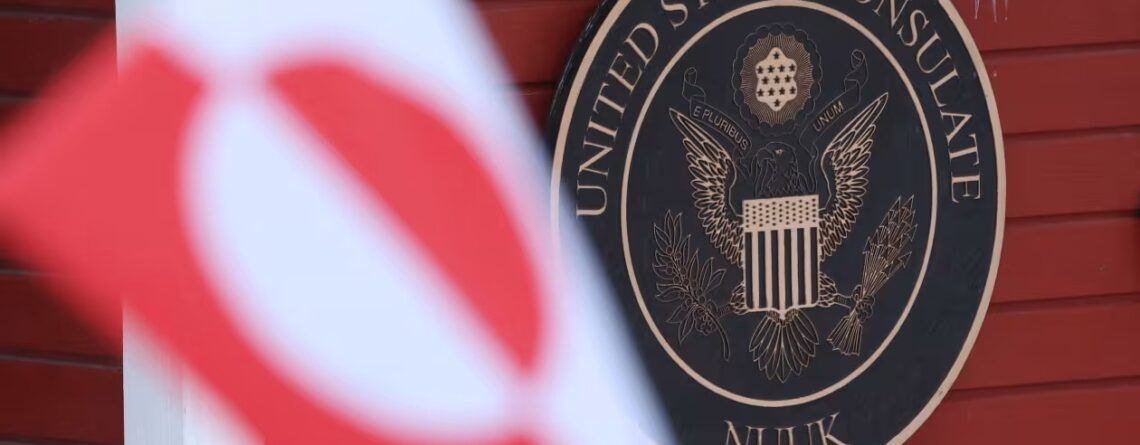
The US President wants to purchase Greenland – currently a semi-autonomous territory of Denmark, and claims the European nation has failed to heed warnings to protect it from the threat of Russia and China.
But what does the situation mean for your investments and your pension? The i Paper spoke to experts.
How will Trump’s tariff plan affect investments?
Tariffs are essentially taxes on imports. The US-imposed tariffs would mean foreign companies who send goods to America will pay a charge for doing so.
This would raise prices for US consumers and would also be likely to hit the profits of the foreign firms affected.
This is affecting the share prices of many companies across the globe.
The FTSE 100 index – which tracks the performance of the 100 biggest firms on the London Stock Exchange – was down only 0.1 per cent in early trading on Monday, but other firms were hit harder.
Car companies in Europe were particularly badly affected. In Germany, the Dax index – which tracks the biggest companies on the Frankfurt Stock Exchange, fell more than 1 per cent with carmakers BMW, Mercedes-Benz and VW among the biggest losers.
Conversely, gold and silver prices have gone up, as these tend to do best in volatile economic times. Investors who have money in these assets and commodities will be affected by the price changes.
Dan Coatsworth, head of markets at AJ Bell, said: “There are multiple industries that could lose out from higher tariffs on various European countries.
“These include car manufacturers, luxury goods companies and drinks groups. These industries are well represented in Europe and have merrily sold goods into the US for decades.”
Amisha Chohan, head of equity research at Quilter Cheviot, explained that the falls were unlikely to be as dramatic as April, but that they could still be negative for investors.
“This is more likely to be slower-burn while diplomacy plays out. However, as with any tariffs, they have the potential to cause volatility in inflation, and thus interest rates may not come down as swiftly as investors would like, and this would ultimately be negative for markets,” she said.
Mr Coatsworth agreed. He said: “Going hostile against Europe had the potential to cause considerable upset on financial markets. While we’ve seen a red day for European shares in general, it’s not panic time.
“What needs to be watched closely is how markets behave over the near term. A 1 per cent to 1.5 per cent decline every day over a series of weeks adds up to trouble, and that’s what investors are keen to avoid happening.”
What should investors do?
Many people are likely to have exposure to European and British shares via their ISAs or general investment accounts.
US shares could also be affected, though markets in the country are currently closed for a public holiday so the impact is less clear.
Regardless, experts caution against making sudden decisions and pulling money from investments.
Chohan explains: “Ultimately, volatility is part and parcel of investing and of financial markets.
“Riding any potential dips is the best strategy anyone can do during such periods, alongside topping up their pots if they have the financial means and ensuring they are not overexposed to one area of the market that is likely to be hit hard by Donald Trump’s actions.”
How are pensions affected and what should you do?
As well as in ISAs and investment accounts, many people have money in companies via their pension investments.
Pensions are usually invested in a range of different assets, including riskier ones such as shares in companies; and safer but lower-performing ones like bonds, which are Government debt, or in some cases cash.
Experts say it is important to ensure your pension investments match your risk appetite, but that pulling cash out in response to specific political events can mean losing out on returns.
For example, the S&P500 index, which tracks major US firms, fell after Trump announced a series of tariffs last April, but is still up nearly 15 per cent overall in the past 12 months.
Read more @inews