UK. SPP: Managing pension scheme risk in an increasingly uncertain world
There is currently heightened uncertainty, both geopolitically and closer to home, for UK defined benefit (DB) pension schemes.
The situation in the Middle East remains precarious with a fragile ceasefire and ongoing threats. The war in Ukraine is still ongoing, albeit with some signs that a peace deal may emerge. In the UK, the prime minister has resigned, his replacement is all but confirmed, and markets are vigilant for the details of the policies the government will pursue and their fiscal impact.
The Iran War had an immediate impact on energy prices and increased global inflation and rate expectations. This came on the back of the shift to a higher rate environment following the Russian invasion of Ukraine in 2022. In contrast, the gilts market has taken Sir Keir Starmer’s resignation on 22 June in its stride – it can change its mind quickly, however, as we know from the 2022 ‘mini-budget’ crisis.
For DB pension schemes, these developments can have immediate and tangible effects on their assets, liabilities, sponsor covenant and endgame planning.
Asset and liability impacts
Stock market, analysis, investment
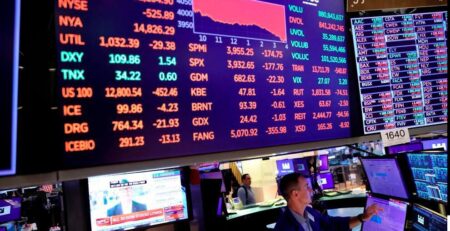
On the asset side, the US attacks on Iran initially triggered a spike in market volatility. Equity markets weakened as oil prices surged following disruption to shipping routes and energy infrastructure, before stabilising as ceasefire discussions progressed.
Schemes with material exposure to growth assets experienced short-term funding volatility, particularly where equity market weakness coincided with widening credit spreads.
At the same time, higher inflation expectations led gilt yields, alongside their international counterparts, to move sharply higher, particularly at longer maturities. They have since remained at elevated levels, albeit below their peaks. While this reduced the market value of fixed income portfolios, scheme liabilities have also fallen in value.
Meanwhile, during May, the 10‑year gilt yield approached levels last seen during the global financial crisis. As discount rates are the primary determinant of liability valuations, this increase has materially reduced the present value of liabilities for many schemes.
While many pension schemes have materially strengthened their liability-driven investment strategies since 2022, it is important for trustees to remain alert to second‑order risks within their liability hedging programmes.
Higher and more volatile inflation can leave some schemes inadvertently over‑hedged, reflecting the fact that many schemes’ liabilities are capped and not fully inflation‑linked, while the assets typically used to hedge inflation risk (index‑linked gilts and inflation swaps) continue to provide full inflation exposure.
In addition, changes in the shape of the yield curve can expose weaknesses in hedge design, particularly where liability and asset sensitivities are misaligned by tenor.
Taken together, these dynamics reinforce the need for pension schemes to consider not only the level of hedging in place, but also the structure and robustness of their hedging arrangements.
Covenant considerations
“Elevated uncertainty and market volatility increase the risk of adverse scenarios in which funding positions deteriorate at the same time as sponsor covenant strength weakens.”
Sponsor covenant risk presents a more mixed picture. For energy producers and commodity‑linked businesses, for example, higher prices have supported shorter-term profitability and cashflows. By contrast, sponsors in energy‑intensive, consumer‑facing or highly leveraged sectors may face increasing pressure as higher costs feed through and demand softens.
While many DB schemes are now in the fortunate position of being in surplus – reducing their immediate reliance on the sponsor – it is important to avoid complacency. Elevated uncertainty and market volatility increase the risk of adverse scenarios in which funding positions deteriorate at the same time as sponsor covenant strength weakens.
Against this backdrop, trustees and sponsors may need to reassess the extent of their reliance on covenant support.
Endgame strategy
Meeting, discussion, charts
The conflict has important implications for endgame strategy. Elevated gilt yields and improved funding positions increase the potential affordability of buyout over the medium term. However, insurer pricing has become more cautious amid volatile credit markets and uncertain inflation dynamics.
For schemes considering buyout in the short term, maintaining a low-dependency investment strategy while closely monitoring insurer pricing and market conditions will be key to preserving optionality and avoiding sub-optimal timing.
For schemes pursuing a run-on strategy, recent market developments serve as a reminder that material risks remain even where a funding surplus exists. This reinforces the need for clear, well-governed frameworks around run-on, including robust risk management, surplus monitoring and decision-making structures that reflect the ongoing complexity of running a pension scheme.
Read more @pensions expert