The big squeeze on health care—how shifting demographics and geographical divide are reshaping policy
These problems are particularly acute in low- and middle-income countries (LMICs), whose populations risk “growing old before becoming rich” while working to establish universal health coverage (UHC). For them, the main challenge is delivering an equitable health service to all and sustainable financing to fund resilient health systems that won’t collapse under their own financial strain.
The challenge of shifting sands
Population aging is one of the major global transformations of this century. By 2050, more than two billion people will be aged 60 years or older, with three quarters of this increase occurring in LMICs. This demographic transition is compounded with widening inequalities, strained health systems, economic vulnerabilities, and escalating climate pressures.
Furthermore, changing migration patterns deepen geographic disparities. As younger people move to the cities for jobs, traditional family-based care is on the decline as the elderly are left to care for themselves in their rural homes. Innovative policy responses with equity at their centre are needed to tackle these complex challenges.
Well-designed long-term care systems can reduce hospitalization, strengthen community engagement, and advance UHC goals. Indeed, the World Health Organization has called on countries to embed long-term care packages for older people within UHC to ensure access without financial hardship.
LMICs rise to the challenge
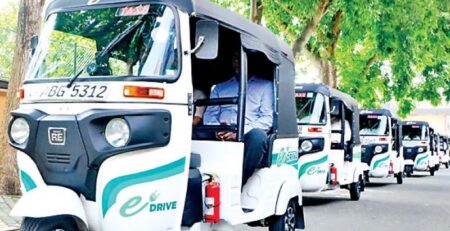
Awareness around this existential challenge for health systems is growing quickly, however, and many developing countries are acting. Sri Lanka last year adopted the Colombo Declaration on Healthy Aging Through Strengthened Primary Health Care. This commits the country to embedding healthy aging in national policies and primary health care (PHC) systems.
Reflecting the Colombo Declaration’s priorities, Sri Lanka has put healthy aging in its National Policy for Elders 2025. It’s using PHC-oriented systems to strengthen the core areas of rights and protection of elders, long-term care and support services, age friendly environments, and financial security.
“It’s good that life expectancy is improving but we should make sure that it’s also a healthy life expectancy,” said Shiromi Maduwage, a consultant community physician at Sri Lanka’s Ministry of Health, speaking at the Prince Mahidol Award Conference 2026 (PMAC). “We want to be active, healthy and independent in our old age.”
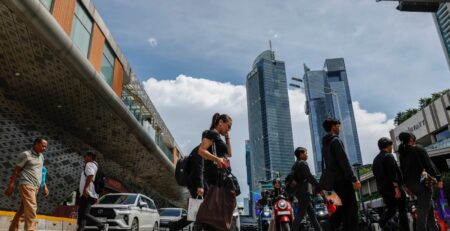
Indonesia launched an ambitious initiative to build a better-resourced, more resilient public health system to meet its vast demographic/geographic challenge. The Indonesia Health Systems Strengthening Project is designed to strengthen health service delivery through more than 10,000 primary health centres, 500 hospitals, and 230 public health laboratories. This US$4 billion scheme equips facilities, trains staff and ensures sustainable service delivery across the country’s diverse terrain.
Read more @worldbank