
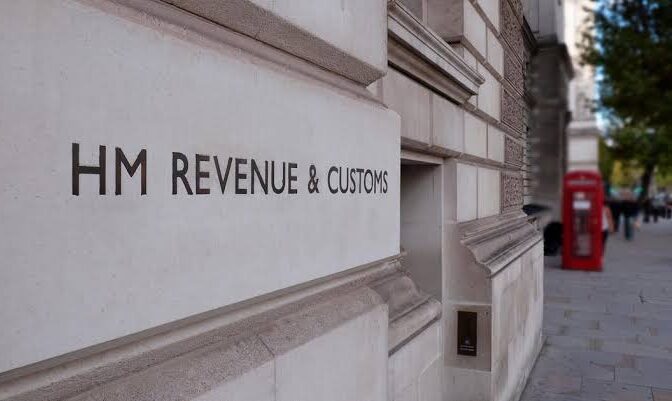
UK. HMRC confirms tax charges for pensioners over 75
HM Revenue and Customs (HMRC) has confirmed a tax charge that affects older state pensioners across the UK when they hit the age of 75.
Under HMRC rules, when a pensioner reaches their 75th birthday, tax relief on their individual pension contributions stop from this point. While it is possible to continue paying into some pensions beyond this age, the Government won’t add basic-rate tax relief to these contributions once you turn 75 and, because of this, many pension schemes don’t accept new contributions beyond this age.
Before you reach your 75th birthday, you can get tax relief on private pension contributions worth up to 100% of your annual earnings. This will usually be done automatically, although in some cases you may have to claim it yourself, depending on the type of pension scheme you’re in and the rate of Income Tax you pay.
An annual allowance limits the amount that can be paid into a pension scheme each year before Income Tax must be paid, and in 2026/27, the maximum amount is £60,000 per year.
But this only applies if you’re a UK resident under the age of 75, so if you’re still working on your 75th birthday, the Government doesn’t add basic-rate tax relief on any pension contributions that you make from that point onwards.
So while you can still make pension contributions post age 75, if your provider accepts them, you lose the right to receive tax relief on these contributions.
Confirming the rule in its guidance on pensions tax, HMRC said: “Although contributions can be paid after a member has reached the age of 75, they are not relievable pension contributions and cannot qualify for tax relief.”
Losing the tax relief on personal contributions from age 75 makes planning for this milestone particularly important, especially as another pension implication kicks in from this point.
Turning 75 also has an impact on pension death benefits as your beneficiaries will have to pay Income Tax on these benefits at their marginal rate if you die after this age, but if you die before 75, these benefits are typically free from Income Tax. As such, it can significantly impact how much money you leave your family from your pension.
Explaining the implications of pension rule changes once you reach 75, Oliver Griffin from Fidelity UK said: “Once you turn 75, you no longer receive tax relief on personal pension contributions. For that reason, many pension schemes don’t accept new contributions after this. If you happen to be working at 75, your employer can still pay into your pension – provided these contributions meet tax rules.
“Age 75 is also important for death benefits. If someone dies under the age of 75, their beneficiaries do not, at the moment, generally have to pay income tax or inheritance tax (IHT) on inherited pension wealth.
Read more @express