A Closer Look at the Retirement Prospects of the Middle Class
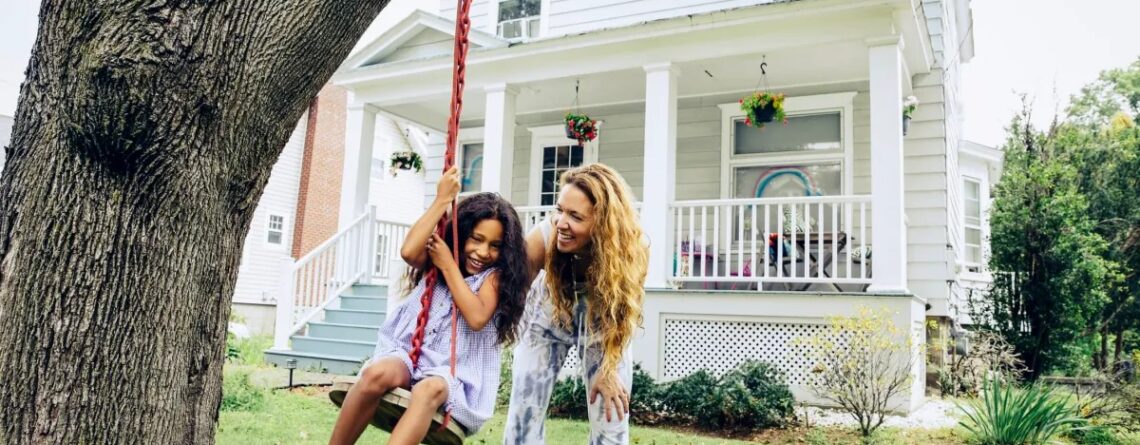
Representing more than half of the U.S. population, people in the middle class embody the American dream by working hard, caring for their families, and saving for the future while navigating an ever-changing economy and society. So how are they addressing these complexities?
In “Retirement Throughout the Ages: The American Middle Class,” the Transamerica Center for Retirement Studies (TCRS) in collaboration with Transamerica Institute examines the road to retirement for people in the middle class across age ranges, their life priorities, health and well-being, personal finances, retirement expectations and preparedness, as well as caregiving experience. The report offers detailed comparisons of people in the middle class by age range including people in their 20s, 30s, 40s, 50s, 60s, and age 70 and older.
The report is based on findings from the 25th Annual Transamerica Retirement Survey. For purposes of the report, the organization broadly defines middle class as U.S. residents who are age 18 and older with an annual household income (HHI) between $50,000 and $200,000. Based on this definition, the middle class represents 56% of the U.S. adult general population.
Overall, the study found that people in the middle class have dreams of spending their retirement traveling (68%), spending more time with family and friends (59%), pursuing hobbies (48%), doing volunteer work (24%), and taking care of their grandchildren (20%). Some (26%) even dream of doing paid work in retirement, including starting a business (13%), pursuing an encore career (11%), and continuing to work in the same field (9%).
At the same time, however, middle-class Americans reveal their greatest retirement fears to be declining health that requires long-term care (41%), outliving their savings and investments (40%), and that Social Security will be reduced or cease to exist in the future (39%).
People in the middle class are also expecting diverse sources of retirement income including Social Security, employer-sponsored retirement benefits, personal savings, and continued work. Perhaps not surprisingly, these sources vary by age, with younger people more likely to expect retirement income from 401(k)s, 403(b)s, and IRAs, and older people from traditional pensions. Four in 10 people in their 60s and those aged 70 and older expect to rely primarily on Social Security.
Notably, those who are not yet retired recognize the need to save for retirement, with almost 8 in 10 indicating that they save in an employer-sponsored 401(k) or similar plan and/or outside the workplace. That said, despite the majority of people who are saving for retirement, many may not be saving enough, based on their reported household retirement savings, the report notes. What’s more, relatively few people “strongly agree” they are building a large enough retirement nest egg.
“The middle class embodies the American dream, but their retirement outlook is unclear,” observed Catherine Collinson, CEO and president of Transamerica Institute and TCRS. “The middle class is working hard, caring for their families, and saving for the future while navigating an evolving economy, artificial intelligence (AI), the aging population and need for caregivers, and Social Security uncertainties.”
Against that backdrop, while most of the middle-class respondents share underlying goals, the findings illustrate how people’s priorities, employment status, and financial situations differ across age ranges, as highlighted below.
20s: Starting Strong but Strained
- Almost half of twenty-somethings cite their career as a top priority in life (47%). Eighty-six percent are employed or self-employed. Among those who are employed, 1 in 3 has two or more jobs (33%), and 58% have a side hustle.
- 52% are worried that AI and robotics will make their job skills no longer needed and 55% say they are having trouble making ends meet.
- 43% are currently serving and/or have previously served as a caregiver for a relative or friend during their working career.
- More than 3 in 4 are saving for retirement in a 401(k) or similar plan and/or outside the workplace (77%).
- $300k is the amount (median) that twenty-somethings estimate they need to feel financially secure in retirement but, among those providing estimates, 47% guessed the amount.
- Only 17% say they have “a lot” of working knowledge about personal finance.
“Twentysomethings may be strained, but most are saving for retirement. They are getting a strong start with decades for their savings to compound and grow. However, they need to learn about personal finance because the better-informed decisions they make early on can have a long-term impact,” noted Collinson.
30s: Focusing on Their Financial Future
- Half of thirty-somethings cite planning for their financial future as a top priority in life (50%).
- More than 8 in 10 are employed or self-employed (85%); among those who are employed, 24% have two or more jobs, and 44% have a side hustle.
- 46% are worried that AI and robotics will make their job skills no longer needed.
- 41% are currently serving and/or have previously served as a caregiver for a relative or friend during their working career.
- More than 8 in 10 are saving for retirement in a 401(k) or similar plan and/or outside the workplace (83%); they started saving at age 27 (median).
- $500k is the amount (median) that thirty-somethings estimate they need to feel financially secure in retirement and, among those providing an estimate, 46% guessed the amount.
- Only 18% say they have “a lot” of working knowledge about personal finance, and 29% have a financial strategy for retirement in the form of a written plan.
“As thirtysomethings focus on their financial future, one of the most impactful things they can do is to create a financial plan and consult with a professional financial advisor, if needed. The financial plans they create today will serve as a roadmap throughout their working years and into retirement,” said Collinson.
40s: Juggling Work, Family and Finances
- Half of forty-somethings cite focusing on family as a top priority in life (50%).
- Among those who are employed (81%), 21% have 2 or more jobs, and 36% have a side hustle.
- Almost 4 in 10 are currently serving and/or have previously served as a caregiver for a relative or friend during their working career (39%).
- 8 in 10 are saving for retirement in a 401(k) or similar plan and/or outside the workplace (80%); they started saving at age 30 (median).
- $500k is the amount (median) that forty-somethings estimate they need to feel financially secure in retirement and, among those providing an estimate, 49% guessed the amount.
“Fortysomethings are spread thin and could easily lose track of the time. Retirement is still a couple of decades away, but now is the time for them to formalize goals, create financial plans, make course corrections and seek the services of a professional advisor,” Collinson emphasized.
50s: Entering the Retirement Danger Zone
- Almost half of fifty-somethings cite planning for their financial future as a top priority in life (49%).
- Among those who are not yet retired (76%), more than half expect to retire after the age of 65 or do not plan to retire (52%). However, only 44% are focused on performing well at their current job and 41% are keeping their job skills up to date.
- Almost 8 in 10 who are not yet retired are saving for retirement in a 401(k) or similar plan and/or outside the workplace (79%); they started saving at age 30 (median).
- $600k is the amount (median) that fifty-somethings who are not yet retired estimate they need to save to feel financially secure in retirement and, among those providing an estimate, 55% guessed the amount.
- Just 21% have a financial strategy for retirement in the form of a written plan; 29% use a professional financial advisor.
“Working longer can help bridge savings gaps, but success is not guaranteed. Fiftysomethings must be hypervigilant about safeguarding their health and keeping their job skills up to date. It is also critical that they create a financial strategy for retirement that anticipates potential setbacks,” observed Collinson.
60s: Retiring Ready or Not
- More than half of sixty-somethings are retired (52%) and 40% are still working. Among those who are not yet retired, almost half (49%) expect to retire at age 70 or older or do not plan to retire.
- 46% cite Social Security being reduced or ceasing to exist and 43% cite outliving their savings and investments as greatest retirement fears; 40% expect Social Security to be their primary source of retirement income.
- Less than 3 in 10 have a “a lot” of working knowledge about personal finance (29%). Only 1 in 4 has a financial strategy for retirement in the form of a written plan, while 43% currently use a professional financial advisor.
- $277,000 is the amount saved by sixty-somethings who are not yet retired in household retirement accounts (estimated median); 16% have saved $1,000,000 or more and 19% have saved less than $50,000.
“During their transition from work to retirement, sixtysomethings should engage in retirement planning and work with a professional financial advisor, if needed. By learning expert strategies, they could potentially maximize their income and Social Security benefits, minimize their tax liability, and, ultimately, ensure their savings last their lifetime,” noted Collinson.
Age 70 and Older: Enjoying Life and Focusing on Health
- 86% of people age 70 and older are retired and 12% are working. Retirees retired at age 65 (median). Among those who are not yet retired, almost 4 in 10 do not plan to retire (38%).
- Roughly 4 in 10 people age 70 and older cite declining health that requires long-term care (45%), cognitive decline, dementia, Alzheimer’s Disease (39%), and losing their independence (39%) as greatest retirement fears.
- Only 16% of retirees are “very confident” they will be able to afford long-term care. Almost half (49%) plan to receive such care from family and friends, if care is needed, and 22% do not yet have plans.
- Only 1 in 4 has a financial strategy for retirement in the form of a written plan (25%), while 47% currently use a professional financial advisor.
- $157,000 is the amount saved by people who are age 70 and older who are not yet retired in household retirement accounts (estimated median); 18% have saved $1,000,000 or more and 27% have saved less than $50,000.
“People in their seventies and older experience declines in health and may eventually need assistance with daily activities. For those who haven’t yet explored available options for long-term care, it is crucial to have family discussions, research care providers, and anticipate the cost of such care. A proactive approach can make transitions easier – versus waiting until a crisis when emotions are running high and options may be limited,” said Collinson.
The findings are based on an online survey conducted within the U.S. by The Harris Poll on behalf of Transamerica Institute and TCRS between Sept. 11 – Oct. 17, 2024, among a nationally representative sample of 10,009 adults. The data in this report is shown for a subsample of 5,639 people with an annual household income between $50,000 and $199,999.
Read more @napa