Japan’s inflation paradox is creating winners and losers. Pensioners are the second
In the coastal city of Murakami, the 72-year-old widow relies on a monthly pension of ¥110,000 ($671). In April kerosene costs alone ate up more than a third of her budget, because of the Iran war. “When I don’t have money, I just have to put up with it because I have no other choice,” she says.
With many senior citizens facing a similar situation in her community, Murakami passed a petition in December, urging Prime Minister Sanae Takaichi to boost pensions in line with inflation to “revitalize local towns.” In 2024, Japanese age 65 to 74 and living alone found themselves digging a deep financial hole. Each month, on average, they were spending 21% more than their disposable income of ¥142,000, according to the latest government data.
The rising cost of living is challenging Ms. Takaichi’s triumphant rhetoric about Japan’s economy. It’s something of a paradox: Inflation has caused pain in many quarters, while also ushering in an era of renewed dynamism. Company profits are growing. Workers are getting the strongest wage gains in decades. And the stock -market is surging, thanks in part to the artificial intelligence boom, with the Nikkei 225 more than doubling since US President Donald J. Trump’s initial tariff shock in April 2025. “Japan is back,” Ms. Takaichi declared during a dinner at the White House in March. Debt-to-GDPanalysis
While inflation is bedeviling countries around the world, including the US, Japan represents a special case. For three decades the primary concern was deflation. A succession of prime ministers and central bankers unleashed record stimulus after the bursting of stock market and property bubbles in the late 1980s and early ’90s caused deep scars. Japan accrued public debt now worth more than twice the nation’s gross domestic product (GDP), yet prices and the economy kept flatlining.
In the early 2020s the supply shocks stemming from COVID-19 lockdowns and Russia’s invasion of Ukraine caused inflation to return. From mid-2021 it began accelerating to peak at 4.3% in early 2023. It was well below the post-pandemic highs of 9.1%, 10.6% and 11.1% in the US, Europe and the UK, respectively, but a shock for a society unaccustomed to rising prices.
Now inflation is back to just below the central bank’s 2% target, and there are growing signs it’s becoming more durable. Given its experience with falling prices, the government sees that level of inflation not as a potential threat but as a fragile flame to be nurtured.
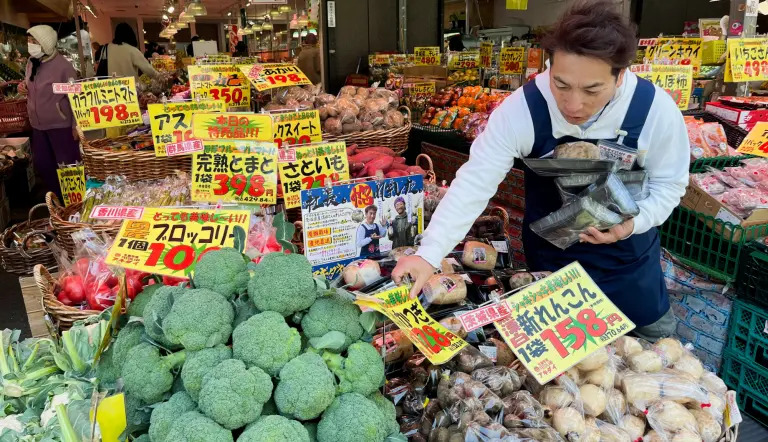
But even at this level, rising prices are stoking divisions. Tokyo’s young and educated workers are winning pay gains that exceed inflation, and its well-heeled residents are benefiting as the equity and housing markets surge. Pensioners and workers on lower wages in rural areas, -however, are going backward as the cost of living increases. Although support for Ms. Takaichi’s premiership remains high following a resounding electoral victory that saw her win a supermajority in the lower house in February, opinion polls show prices remain the top public concern.
Read more @bworldonline