Aging in Ghana: Challenges, Realities, and Struggles
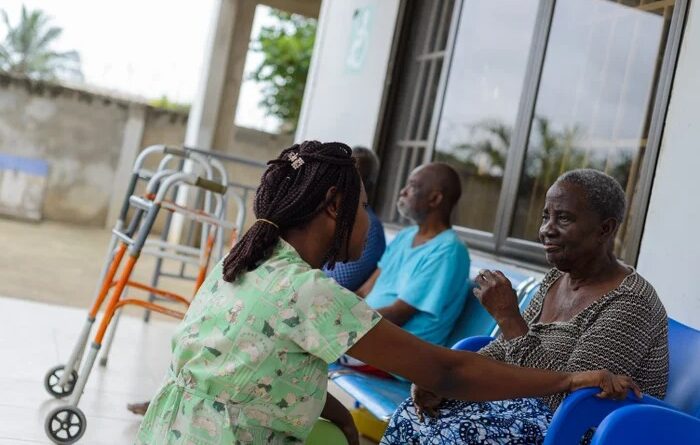
In Ghana, like many countries across Africa and the world, the population of older adults is steadily increasing due to improvements in healthcare and longer life expectancy. However, growing older in Ghana brings a number of social, economic, health, and emotional challenges especially for those without formal jobs, pensions, or family support systems.
Demographic and Social Changes
Ghana’s elderly population (aged 60 and above) has grown significantly over past decades. Although they make up a relatively small percentage of the total population, the number of older adults is rising rapidly due to increased longevity. However, traditional systems of care where extended families looked after their aged parents are weakening. Urbanization and migration have led many younger Ghanaians to move to cities or abroad, leaving elders behind in rural areas or isolated in urban neighborhoods.
Economic Struggles: Pensions, Informal Work & Poverty
One of the core challenges for many older Ghanaians is economic insecurity:
Formal pension coverage is limited Civil servants and a small percentage of formal sector workers receive pensions through SSNIT (Social Security and National Insurance Trust), but many retirees depend on meager pension payments that often barely cover basic needs.
Most older adults worked in the informal sector vending, farming, artisanship, petty trading and thus have no formal retirement savings. When they can no longer work, they often have no regular income or savings.
Financial insecurity forces elders to rely on family or community support which is increasingly unreliable as families become geographically dispersed.
This economic vulnerability forces many older people to continue working into very old age for subsistence rather than choice.
Health Care Access: Barriers and Costs
Ghana’s National Health Insurance Scheme (NHIS) was introduced to reduce barriers to care, but many older adults still struggle:
Limited NHIS enrollment Studies show a large proportion of elderly Ghanaians are not enrolled in NHIS, leaving them to pay out of pocket for health services.
Chronic conditions are common Aging brings increased prevalence of hypertension, diabetes, arthritis, and other chronic illnesses that require regular care and medication. Accessing affordable treatment is difficult for many elders.
Physical access issues Long distances to clinics, especially in rural areas, and lack of age-friendly infrastructure make it harder for older adults to seek timely care.
Without regular care, illness can quickly deteriorate their quality of life, leading to disability or premature death.
Social Isolation and Loneliness
Traditionally in Ghanaian culture, elders lived with extended families and played central roles in community life. But today:
Many older people live alone because adult children migrate for work or education, often leaving widowed parents in homes with little social contact.
Emotional isolation is common studies document widespread feelings of loneliness, abandonment, and loss of dignity among the elderly.
Women are disproportionately affected because they often outlive their spouses and have lower lifetime earnings and fewer assets.
Social isolation doesn’t just affect mood it impacts physical health and personal safety.
Gaps in Policy and Social Support
Ghana’s National Ageing Policy (2010) is meant to support older adults with integrated care and social protection. However:
Implementation has been weak and inconsistent due to limited resources, poor coordination, and lack of targeted programmes.
Social safety nets like LEAP (Livelihood Empowerment Against Poverty) do reach some poor elders, but many are excluded due to administrative and coverage gaps.
Public infrastructure and services (like age-friendly transportation, community health outreach, and emergency care networks) are minimal or absent in many areas.
This policy gap leaves older adults largely on their own or dependent on informal networks.
Emotional and Psychological Burden
Beyond physical needs, the emotional weight of aging in a changing society is profound:
Many older adults feel forgotten or “invisible” as national priorities focus on younger populations.
Without regular contact with family or community, psychological stress, depression, and loss of purpose increase.
Traditional respect for elders is eroding in urbanized settings, making older people feel undervalued.
These emotional struggles compound the material hardships of aging.
Emerging Community and Civil Society Responses
Despite these challenges, efforts are emerging to support Ghana’s aging population:
NGOs like Aide for Ghanaian Elderly (A.G.E.) work to improve seniors’ well-being through outreach, companionship programmes, and policy advocacy.
Associations like AGE Association of Ghana’s Elders promote intergenerational support and elder rights.
Community groups, church networks, and local volunteers often fill gaps where formal systems fail.
Such initiatives offer hope but require greater support and investment to scale.
Read more @modernghana