OECD Employment Outlook 2025: Can We Get Through the Demographic Crunch?
By Organisation for Economic Co-operation and Development
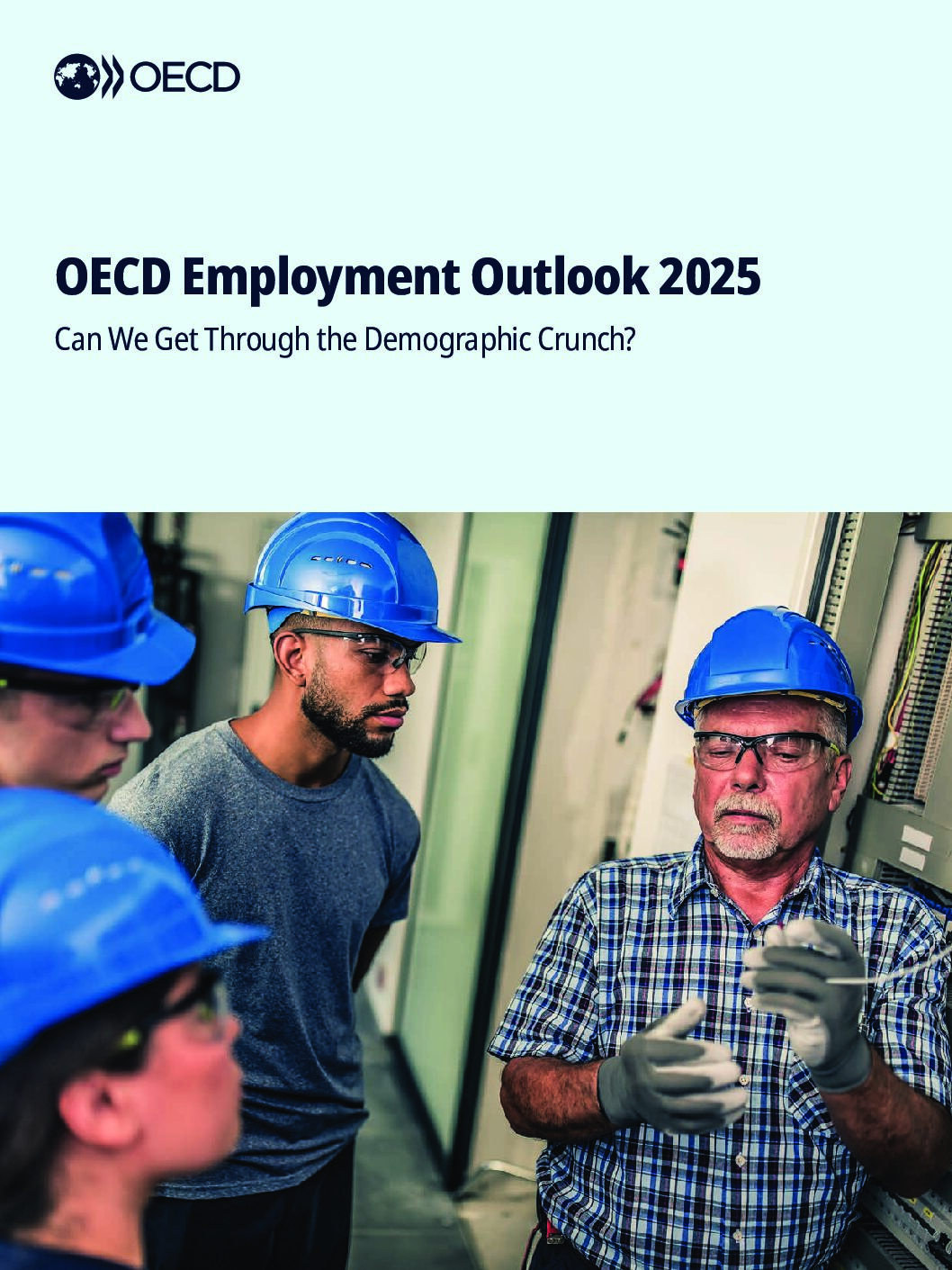
Over the past two decades, population ageing, increasing statutory retirement ages and rising education levels have led to higher employment rates among workers aged 55 and above in OECD countries. However, progress across countries remain uneven, and employment rates decline rapidly from age 60, such that many workers are leaving employment well before reaching the eligibility age for a pension. To sustain living standards and address structural labour shortages, many countries will need people to work beyond 60 or 65. This requires labour market policies and employer practices that support the hiring, retention and most importantly the employability of mid-to-late career workers. Employers, employees, governments and social partners all have a role in promoting lifelong learning, improving job quality and promoting healthy workplaces to ensure the employability, well-being and economic contribution of older workers in an evolving world of work.
Get the report here