Informal workers in the rural sector in Colombia: Living conditions and social security
By Oscar Espinosa, Valeria Bejarano, Martha-Liliana Arias & Jorge-Iván González
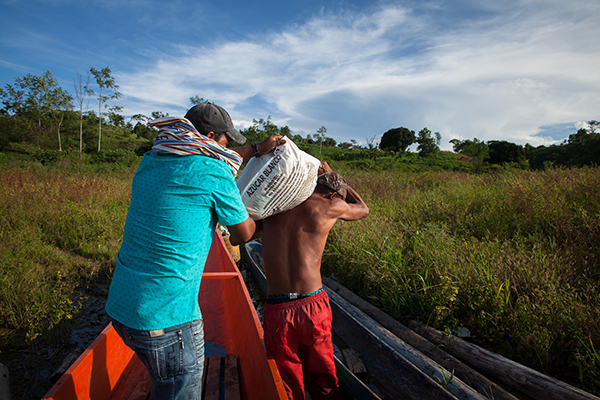
The existence of a high percentage of informal labour has a direct impact on the living conditions of millions of people and their families, especially in rural areas and developing countries. The implications of this problem present a challenge for public policy on employment, social security and business activity. Taking advantage of the wealth of microdata from the Great Integrated Household Survey (of national representation), our research aimed to characterise the sociodemographic composition and living conditions of the informal labour population in the rural sector in Colombia during a decade of study (2014–2023). Using descriptive analytical techniques and multivariate statistics, we analysed particularities of rural informal workers such as level of education, illiteracy, number of children, economic activity, income level, affiliation to occupational risk insurance, among others. The results demonstrate that working conditions and informality in the rural sector are notoriously more unfavourable compared to those in the urban sector. The poor working conditions in rural areas may have caused the displacement of people to the cities, which has had an important effect on the agricultural sector and consequently on the country’s GDP. These results allow us to understand the living conditions and consequences of informality, especially in the rural sector, to promote policies aimed at sustainable, equitable and inclusive development in the countryside.
Source ScienceDirect