August 2021

Why The Decline In Life Expectancy Shouldn’t Affect Your Retirement Plans

By Bob Carlson Average life expectancy in the U.S. declined by 1.5 years in 2020, according to a recent report from the Centers for Disease Control and Prevention. That is believed to be the largest one-year decline in life expectancy since at least World War II. Life expectancy was 77.3 years in 2020, about the same level as in 2003. Life expectancy should be a major factor in retirement planning. I often recommend that one of the first steps in developing a...

US. Companies Find It’s a Good Time to Push Pension Obligations Off Balance Sheets

Finance chiefs are stepping up their efforts to move pension obligations off company balance sheets through annuity purchases and other financial tools, taking advantage of well-funded plans and a respite from the scramble over the past year to deal with the Covid-19 pandemic. For years, sponsors of single-employer pension plans have purchased annuities from an insurer for all or some of their employees with vested benefits, thus shrinking a plan’s assets and liabilities and simultaneously strengthening a company’s balance sheet....

Nepalese Gurkhas end hunger strike over UK military pensions

Nepalese Gurkha military veterans have ended a 13-day hunger strike after the United Kingdom’s government agreed to discuss their longstanding grievances over pension rights. Thousands of Gurkhas, who are renowned as hard and loyal fighters, have served in the British army but until 2007, did not enjoy the same pay and conditions as British soldiers. Those who served before 1997 still receive only a fraction of their British counterparts’ salary as it was assumed they would return to Nepal after leaving...

New Zealand. Super-sharers: How small contributions can push back against inequality

Creating a truly fair New Zealand will require transformational change. Until we get there, one charity is encouraging superannuitants to give whatever they can. New Zealand’s generational divide is well-documented. Over-65s, who benefitted from free education and affordable housing, now receive pensions that are not income or asset-tested. Younger generations rack up debt to gain tertiary education and face unaffordable housing prices, and those in need receive insufficient income and accommodation support. For much of the older generation, the NZ Super...

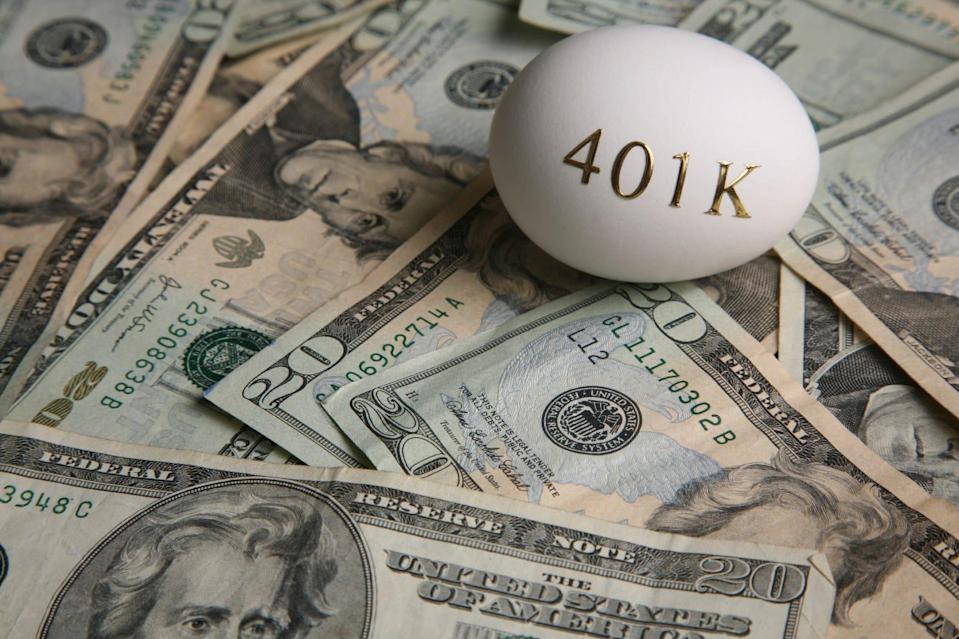
US. Despite the pandemic, 401(k) balances and savings rates are higher than ever

Even with climbing Covid-19 case numbers and ever-increasing inflation, employed retirement savers have been socking away record amounts of cash in their retirement investment accounts. Average 401(k) account balances and savings rates reached record highs in the second quarter of 2021, according to Fidelity Investments, the nation’s largest provider of 401(k) plans, marking three quarters of upward growth in a row. Another positive sign for savers’ finances: The number of outstanding 401(k) loans also decreased. At the start of the coronavirus pandemic,...

Royal Mail ready to launch first U.K. collective DC plan

The Royal Mail Group Ltd. is getting closer to the launch of its long-awaited collective defined contribution plan, which will be U.K.'s first such plan, as the government unveiled a final set of CDC requirements on July 19. Read also UK. Do CDCs offer the best of both? Sponsors of defined benefit funds in the U.K. such as Royal Mail, which have been grappling with the increasing costs of running a pension fund will soon be able to switch to a...

US. Why Is Gen Z Saving More for Retirement Than Their Parents?

By Ben Geier, CEPF A 2021 survey from TransAmerica says that the youngest generation of American adults is getting a jumpstart on retirement by saving a lot earlier than older generations. Financial experts will point out that this is in part due to the decline of pensions and the rise of defined contribution plans like 401(k)s, which allow employees to invest part of their paycheck into a tax-advantaged retirement account. In fact, Gen Z could be the first generation to...

China: New State Pension to Boost Retirement Savings

The establishment of the new state pension company is waiting for regulatory approval from the CBIRC. China plans to set up a state pension company with registered capital of CNY 11.15 billion (USD 1.72 billion) to boost the retirement funds available for its rapidly ageing population. According to Reuters, 17 bank-affiliated wealth management units, insurers and state institutions will take stakes in the company, whose largest shareholders include the wealth management units of China’s big five banks, each with a stake...

ESG: Impact Investing

BEST OF BOTH WORLDS Investors are finding that financial performance and ESG ‘impact’ can be complementary goals Understanding the landscape of environmental, social and governance investing is critical to choosing the right investment strategy, particularly when it comes to the impact of that investment. As ESG investing continues to evolve and institutional investors have a growing number of strategies to pursue, they may find it challenging to navigate the wider array of options and to apply the appropriate nomenclature to the...

China plans $1.72bn national pension company

China plans to set up a national pension company in Beijing with registered capital of 11.15 billion yuan ($1.72 billion) as the country's population rapidly ages. Seventeen financial institutions will take stakes in the company, including the wealth management units of China's big five banks, each with 1 billion yuan, or 8.97%, the Insurance Association of China said Thursday in a statement on its website. China's largest brokerage, Citic Securities; Taikang Life Insurance; and the investment arm of Beijing's State-owned...