May 2020

US. Public Pensions Could Suffer for Years from Pandemic Losses

US public pension plan sponsors and administrators are likely entering a period of fiscal stress, and rising pension obligations caused by the sudden pandemic-induced recession are expected to be felt for years by US state and local governments, according to a report from S&P Global Ratings. S&P said US public pension funds in aggregate lost approximately $850 billion during the first quarter of the year, and that they would need to rebound sharply during the second quarter to maintain...

Protecting financial consumers during the COVID-19 crisis

Financial regulators around the world are struggling to deal with the impact of the COVID-19 pandemic. As consumers’ financial circumstances deteriorate as a result of the crisis, it is crucial to ensure that financial institutions treat consumers fairly and bad behavior does not add to consumer suffering. International media and organizations have highlighted concerns, such as consumer over-indebtedness increasing quickly due to the crisis and fraudsters exploiting fears over the pandemic to target financial consumers. Regulators are recognizing...

Algeria approves 2-7% increase in retirement pensions

Algeria’s government has approved increases in retirement pensions ranging from 2% to 7%, the labour ministry said on Saturday, despite financial problems facing the oil exporting North African country. The OPEC member’s public finances have come under pressure after a sharp fall in global crude oil prices caused energy earnings, the main source of government revenue, to drop significantly. President Abdelmadjid Tennoune has already announced a 50% cut in public spending and delays to planned projects in several sectors...

Australia. COVID-19 has killed 12% superannuation

For years MacroBusiness has argued that Australia’s superannuation guarantee (SG) should not be raised from the current level of 9.5% to 12%. Our arguments against lifting the SG centre around four key issues. First, superannuation concessions are grossly inequitable and favour high income earners. This inequity is illustrated clearly by the below Australian Treasury chart, which shows that the top 1% of earners will receive roughly 14-times the taxpayer contributions to their personal superannuation accounts as the bottom 10%...

Reference-Dependent Preferences, Time Inconsistency, and Unfunded Pensions

By Torben M. Andersen In the real world, public pay-as-you-go pension (PAYG) schemes are popular and co-exist with private, retirement-saving schemes. This is true even in dynamically efficient economies where such pensions offer a lower return. The classic Aaron-Samuelson result argues that, in theory, this is impossible. Later work has shown that it may be possible if agents, left on their own, undersave due to myopia or time-inconsistency. In that case, if the government is paternalistic, a welfare rationale...

J.P. COVID impact on markets: research update

By Michael Cembales The first table itemizes monetary and fiscal stimulus unleashed by the Federal Reserve and other Central Banks in recent weeks, measured as Central Bank liquidity provisions, new fiscal stimulus programs and rate cuts. For context, new fiscal stimulus and total fiscal deficits in the US are roughly double the levels seen in 2008-2009, and the US fiscal deficit we project for 2020 of 15%-18% is only matched by deficits seen at the height of WWII in 1942-1943. ...

Pandemic Blots One Year’s Worth of Gains from Canadian Plans

The coronavirus pandemic has wiped about a year’s worth of gains from Canadian pension plans, BNY Mellon said Monday. Corporate, public, and university retirement funds lost a median 7.23% in the first quarter ending in March, according to the financial services firm. Over the past 12 months, marked by strong advances up until 2020, that represented a 1.13% loss. But pensions overall still gained about 7.24% annually over the past decade. Results from the report were drawn from...

Egypt increases wages, pensions by LE 100B in 20/21: Prime Minister

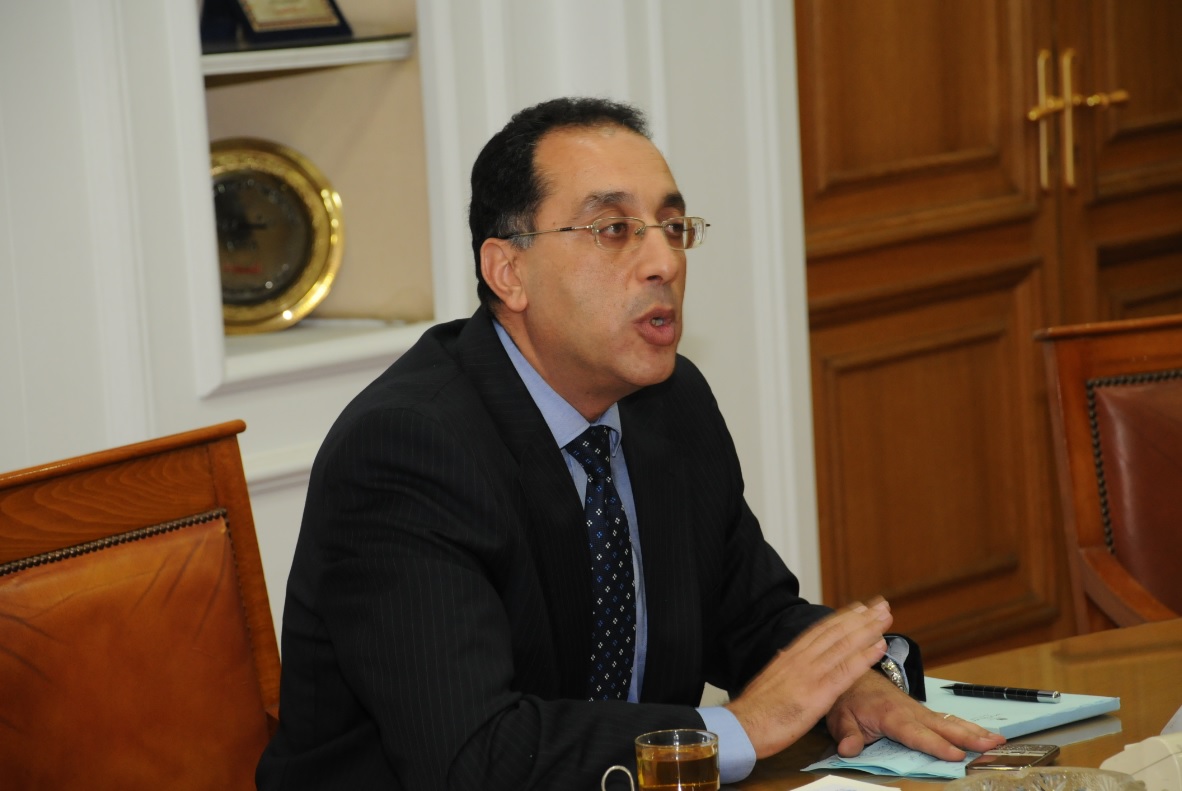
"Egypt’s new budget draft for fiscal year 2020/2021 includes an article stipulating the increase of wages and pensions by LE 100 billion," Prime Minister Mostafa Madbouli said Thursday. Madbouli added at a press conference at the headquarters of the Cabinet that the state was keen to alleviate the burden off the Egyptian citizen during the coronavirus crisis. “Every year we need nearly 800 jobs for young people,” he stated. “We all, as citizens, must be aware that delayed...

UK. FCA allowed uninsured adviser to finish nine DB transfers

The regulator allowed an adviser to complete nine defined benefit pension transfers at the end of last year despite the work being excluded from the firm's insurance. The advice firm notified the Financial Conduct Authority in August 2019 that it was unable to renew its professional indemnity insurance to cover defined benefit transfer activities, and was subsequently told to cease writing this type of business and transfer any pipeline clients to another adviser. The firm objected, instead asking...

US. J.P. Morgan report estimates pandemic’s impact on unfunded retirement benefits

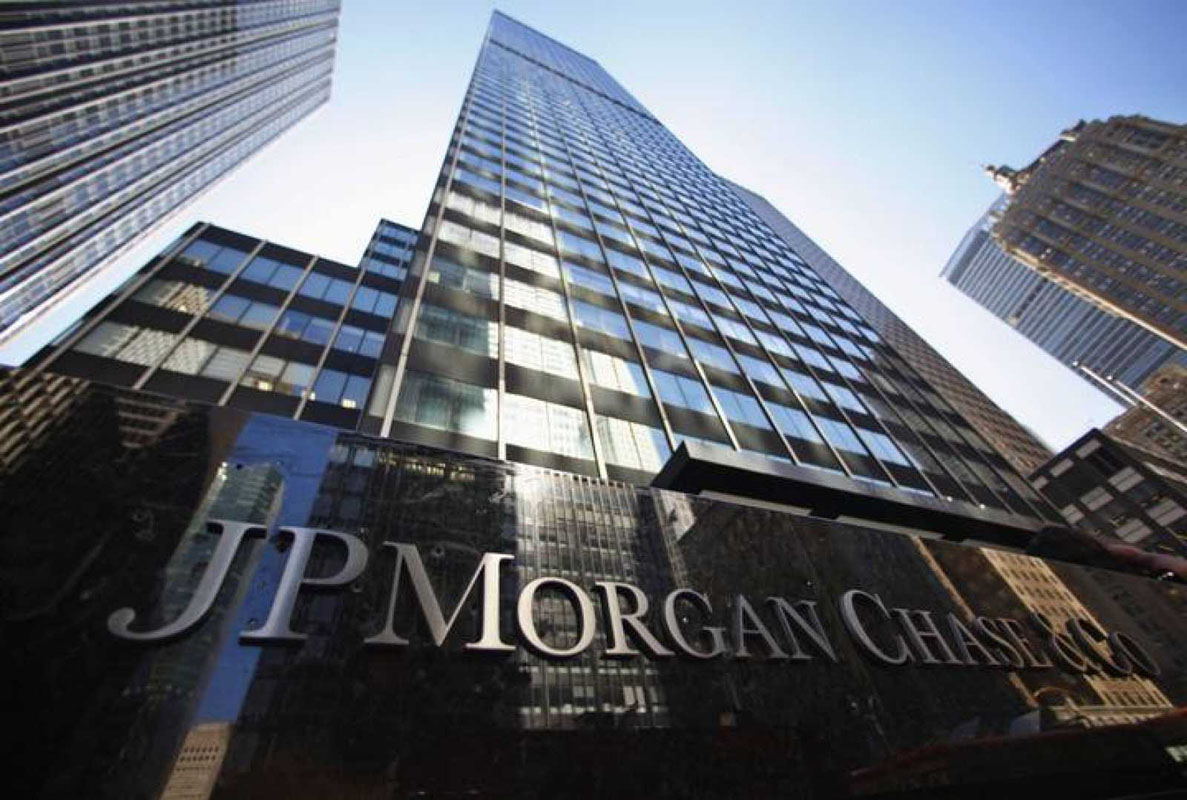
Banking giant J.P. Morgan issued a report estimating the impact of the COVID-19 pandemic and economic downturn on states’ unfunded pension and retiree healthcare liabilities, noting Connecticut would have to pay nearly 40 percent of its revenue for the next thirty years to pay off nearly $70 billion in unfunded liabilities. Connecticut had the fourth highest cost to pay off its liabilities, with Hawaii, New Jersey and Illinois faring worse. According to the report, the economic downturn added another...