
May 2020

US. J.P. Morgan report estimates pandemic’s impact on unfunded retirement benefits

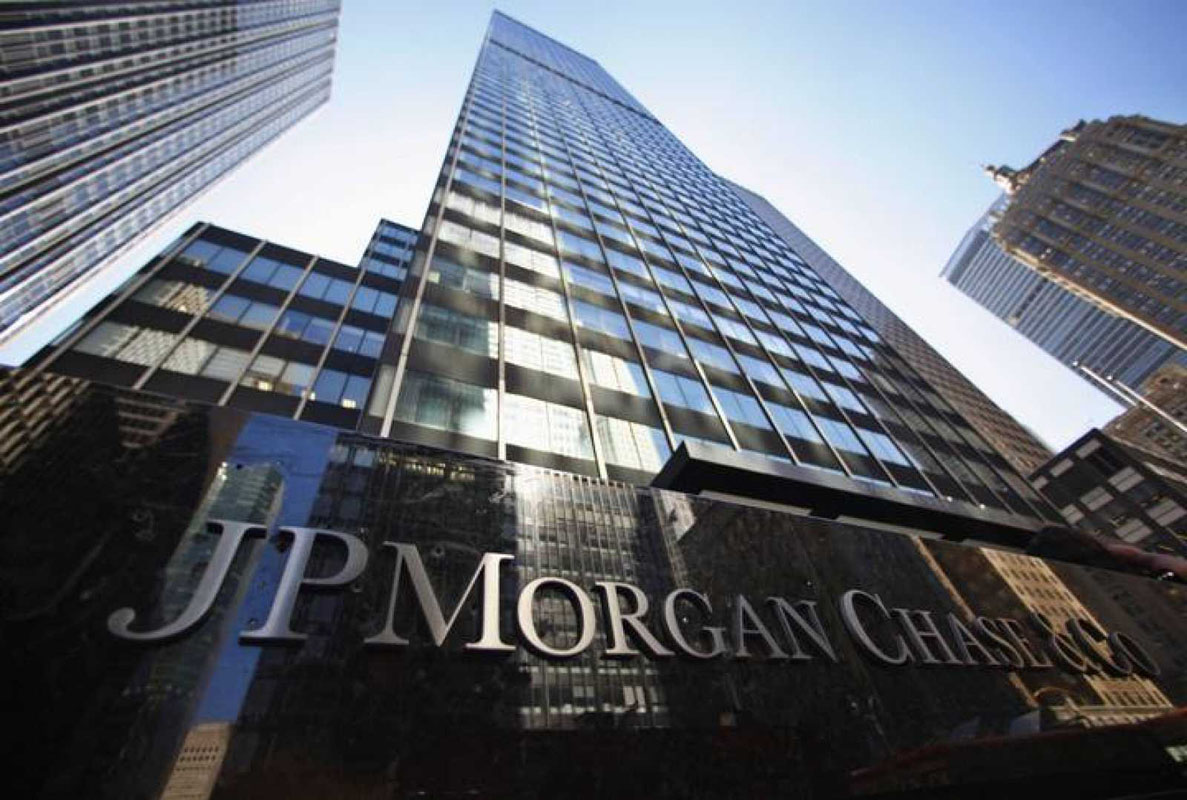
Banking giant J.P. Morgan issued a report estimating the impact of the COVID-19 pandemic and economic downturn on states’ unfunded pension and retiree healthcare liabilities, noting Connecticut would have to pay nearly 40 percent of its revenue for the next thirty years to pay off nearly $70 billion in unfunded liabilities. Connecticut had the fourth highest cost to pay off its liabilities, with Hawaii, New Jersey and Illinois faring worse. According to the report, the economic downturn added another...


Kenya. State pension pay to rise 29pc next year

The Treasury will spend nearly a third more on paying pensioners in the fiscal year beginning July, with the actual total amount to be spent for the first time expected to exceed Sh100 billion. According to estimates released to Parliament, the total pensions and gratuities paid will amount to Sh119.19 billion, from revised estimates of Sh92.49 billion of the fiscal year ending in June. This is Sh26.7 billion or 29 percent higher. It underlines the extent of liabilities the public has...

Kenya. State pension pay to rise 29pc next year

The Treasury will spend nearly a third more on paying pensioners in the fiscal year beginning July, with the actual total amount to be spent for the first time expected to exceed Sh100 billion. According to estimates released to Parliament, the total pensions and gratuities paid will amount to Sh119.19 billion, from revised estimates of Sh92.49 billion of the fiscal year ending in June. This is Sh26.7 billion or 29 percent higher. It underlines the extent of liabilities the...

Costs and Potential Funding of Expanded Public Pension Coverage in Asia

By Peter Morgan, Long Q. Trinh Public pension burdens in most emerging Asian economies are still relatively small. However, there are a number of reasons to believe that they will increase markedly in the coming years. First, many Asian economies will face rapidly ageing populations, which will raise pension and other old‐age‐related spending dramatically. Second, as economies develop, political pressures to expand the coverage of public pensions and raise pension benefits will likely increase. The first objective of this...

April 2020

Coronavirus will make US cities feel the pressure of pension debt

Municipal pension debt is among the many aspects of the economy that have been severely impacted by the coronavirus pandemic. COVID-19 not only exposes, but also further threatens the already-weak fiscal health of municipal retirement plans. Inaction on this front could mean insolvent pension plans dragging some of the nation’s largest cities into bankruptcy. After all, when the stock market takes a hit, so do pensions. This is because most of the typical pension funds’ income is from returns...

EBRI: Pandemic likely to worsen U.S. retirement savings deficit

The impact of the coronavirus pandemic on U.S. retirement readiness using middle-of-the road risk assumptions appears to be manageable, according to projections by the Employee Benefit Research Institute. EBRI estimates that the $3.68 trillion aggregate retirement deficit for all U.S. households age 35-64 will increase by 4.5% or $166.2 billion if market losses for the year are equivalent to first-quarter 2020 losses, a risk assumption that EBRI defines as intermediate. Under EBRI's pessimistic scenario, that in which market losses...

US Public Pension Funding Levels Plunge to 66% in Q1

The funded level of the 100 largest US public defined benefit pension plans plunged to 66% during the first quarter from 74.9% at the end of last year, according to Milliman. It was the largest quarterly drop in the history of the firm’s public pension funding index (PPFI), and it eliminated the funding level improvements made during 2019. Volatility from the COVID-19 pandemic resulted in net negative cash flow of approximately $24 billion and a $419 billion loss in...

Public pension funds shouldn’t wait for a return to ‘normal’

By Anthony Randazzo The past few weeks have seen America’s leaders wrestle with the human costs of inaction in the face of the COVID-19 pandemic. And in the next few months, state and local leaders will have to step up again and act decisively to avoid the financial effects of this pandemic from creating long-term damage to their public sector retirement systems. Unlike the demographics most vulnerable to succumbing to the physical effects of the virus, those with the biggest cause...

Pension Policy in Europe and the United States – Towards a New Public-Private Pension Mix

By Onorato Castellino, Elsa Fornero, Christina Benita Wilke Pension reform has occupied and will continue to occupy an important place in the welfare state reform agenda on both sides of the Atlantic. In both the European Union (EU) and the United States (US) demographic forces in the form of an aging population and low fertility pose significant long-run fiscal challenges to traditional public pay-as-you-go (PAYG) systems. In addition, the pace of pension reforms in most EU countries has accelerated...

US. Coronavirus Is Making the Public Pension Crisis Even Worse

For years, the country’s public pension plans have faced a yawning gap between what they owe and what they can pay. From the State of California’s public employees’ retirement plan, with more than 1.6 million participants, to tiny funds for employees of local mosquito-control programs in Illinois, public pensions are the time bomb of government finance. Now the coronavirus pandemic has it ticking faster. Already chronically underfunded, pension programs have taken huge hits to their investment portfolios over the...