June 2021

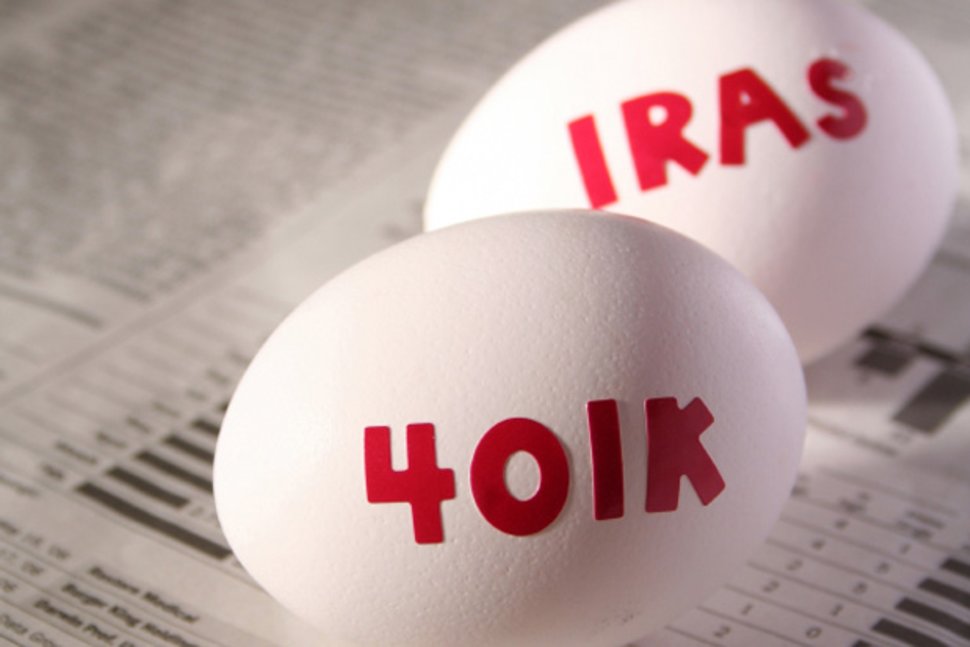
US. Required IRA, 401(k) withdrawals would start at age 75 under congressional proposal. Here’s who would benefit

The age when older Americans must start making withdrawals from retirement accounts could change yet again. Under a provision in proposed retirement legislation pending in Congress, required minimum distributions, or RMDs, would start at age 75 by 2032, up from age 72 — which only took effect last year after the 2019 Secure Act raised it from age 70½. The proposed adjustment would generally not impact most retirees: The majority — 79.5%, according to the IRS — take more than their...


Black tax, debt and inadequate pensions – South Africans have little to nothing left to save

How do you tell a person avoiding debt collectors and cutting down food spend that they need to save more for retirement? This was one of the burning questions at Allan Gray's first retirement benefits conference last week. Confronted with "black tax", rising food costs, exorbitant electricity prices and a debt-to-disposable-income ratio of 75.3% in the last quarter of 2020, saving for retirement is the last thing in the minds of many South Africans. According to the Mercer CFA Institute Global...

April 2021

Comfortable retirement still on track for most Americans despite pandemic – survey

The coronavirus pandemic did little to shake the retirement confidence of most American workers and retirees, according to the 2021 Retirement Confidence Survey released Thursday by the Employee Benefit Research Institute and Greenwald Research. Despite the turmoil COVID-19 stirred up in the employment and financial markets, 80% of retirees said they were confident in their ability to live comfortably throughout retirement, while 72% of those still in the workforce expressed confidence in their ability to retire in comfort, the survey...

UK. Two thirds of this year’s retirees at risk of running pension pot dry

Two-thirds (66 per cent) of those retiring in 2021 are at risk of running out of pension savings in their retirement, according to research from Standard Life Aberdeen. The research, which surveyed 2,000 UK adults who were either due to retire this year or had retired in the past 12 months, published today (April 21), found the class of 2021 planned to spend around £21,000 a year in retirement. And although this is almost £10,000 less than the average household income...

March 2021

US. Single-Employer Plans Can Lower Target Returns to 4% and 5%

What can corporate allocators expect now that the pension relief bill has passed? For starters, they can target lower returns and pursue less risky investment strategies. Plan sponsors at single-employer pension plans can reduce their return targets to as low as 4% or 5%, versus higher targets of 6% or 7%, when they extend their amortization periods to 15 years as a result of the stimulus bill, according to calculations from asset manager Insight Investment. Earlier this month, several provisions passed...

Towards Improved Retirement Savings Outcomes for Women

By OECD Labour market inequalities are well-known to be the main drivers of the gender pension gap. This publication focuses on helping governments find solutions for retirement savings arrangements that do not further exacerbate these inequalities. This study first analyses why the gender pension gap exists and sheds light on some of the behavioural and cultural factors that contribute to these inequalities. Country case studies assess how demographics, labour markets and other factors may affect gaps in pension coverage, assets...

Australia. Age Pension increase for mid March

This announcement follows the Royal Commission into Aged Care Quality and Safety's Final Report, tabled into Parliament on 26 February 2021, which outlined the necessary changes needed in the aged care sector From 20 March, 2021, all social security payments will be increased, including the Carer Payment. The Age Pension was not raised last September, which the peak body for older people, National Seniors Australia, says was the first time there was no increase to cover the cost of living in the...

South Africa. The battle for pension savings: Between secure retirement and survival

The retirement savings industry keenly follows Finance Minister Tito Mboweni's speech every year, if not for anything else, to advise savers how to maximise their tax benefits when tax rates and bracket adjustments are announced. The 2021 Budget speech, however, had a lot of game changers for the industry. The automatic enrolment of workers into retirement plans that the sector has long been advocating for, and the annuitisation of provident fund benefits – which has been delayed over and over...

January 2021

Robots and Labor in the Service Sector: Evidence from Nursing Homes

By Karen Eggleston, Yong Suk Lee, Toshiaki Iizuka In one of the first studies of service sector robotics using establishment-level data, we study the impact of robots on staffing in Japanese nursing homes, using geographic variation in robot subsidies as an instrumental variable. We find that robot adoption increases employment by augmenting the number of care workers and nurses on flexible employment contracts, and decreases difficulty in staff retention. Robot adoption also reduces the monthly wages of regular nurses,...

How Measuring Replacement Income Can Aid Assessment of Public Pension Plans

Pew evaluates a key predictor of career workers’ standard of living in retirement. The Pew Charitable Trusts uses three retirement security metrics to assist policymakers in evaluating how well their plans are expected to prepare public workers for retirement. This fact sheet focuses on the replacement income ratio, a commonly cited indicator that illustrates whether a worker might expect to maintain his or her standard of living in retirement.1 This ratio—also referred to as the replacement rate—is the percentage of a worker’s...