September 2024

Precarity trap: Gig economy failing Asia’s youth

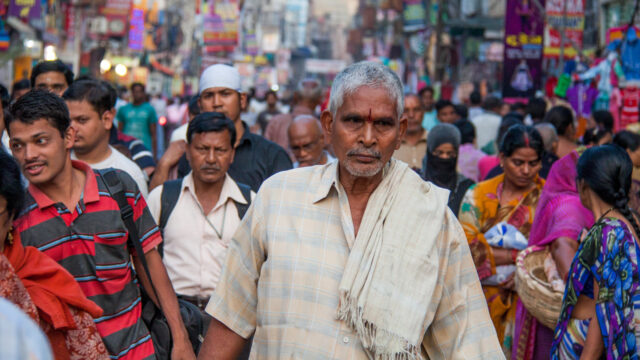
Precarious employment among youth in the Asia-Pacific region has become an increasingly urgent issue, with a growing number of young people trapped in temporary jobs without social security or long-term contracts. According to the International Labor Organization’s Global Employment Trends for Youth 2024 report, over 28% of youth in Southeast Asia and the Pacific were engaged in temporary employment that lacked financial security and social protections in 2023. This situation not only undermines the financial stability of individuals but also has...

Asia faces $74t retirement income shortfall

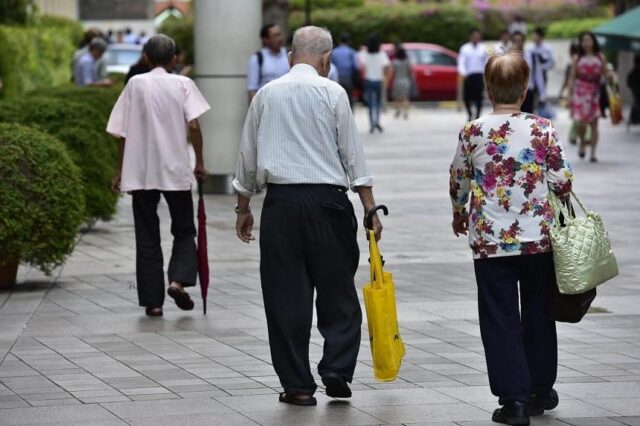
Emerging markets in Asia face a $74 trillion pension savings shortfall. Asia may face a retirement income shortfall as those over 60 are expected to make up 25% of Asia Pacific's population, a sharp increase from 14% in 2020, a report by McKinsey revealed. Emerging markets in Asia face a $74t pension savings shortfall, equating to about $50k per worker—11 times the average annual income. In countries like India and Indonesia, pensions cover only 8% of the population. McKinsey said to address the...

August 2024

The geopolitical ripple effect of Asia’s ageing population

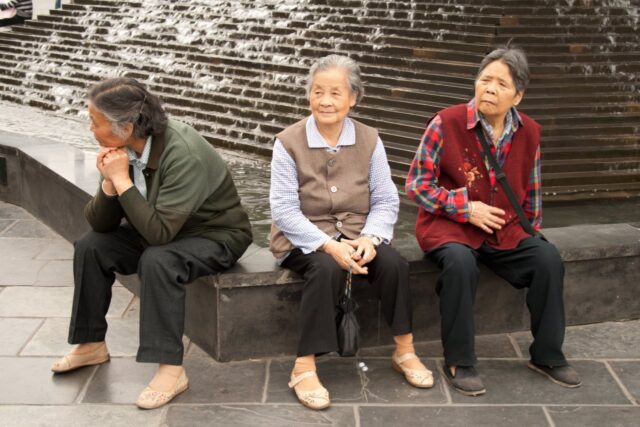
By 2050, according to the Asian Development Bank (ADB), one in four people in Asia will be aged over 60. This is a threefold increase compared to 2010. China, the economic powerhouse of the region, is projected to see a decrease of 220 million working-age individuals between 2011 and 2050. Japan’s population is expected to decline by 16 per cent by 2050, with the number of senior citizens living alone predicted to jump by 47 per cent. This demographic shift has far-reaching implications that demand the immediate...

July 2024

Unemployment in Informal Labor Markets in Developing Countries

By Emily Breza & Supreet Kaur Developing countries typically exhibit low rates of rural wage employment. For example, in India, male workers whose primary source of earnings is wage labor report working on only 46 percent of days per year.1 Bangladesh has a similarly low 55 percent rate of employment among landless males, and the rates are even lower in sub-Saharan Africa. What do these low employment rates mean? One possibility is that they reflect extremely high involuntary unemployment. Alternatively, the rates...

Ageing societies require holistic approach to fiscal policy making

Several Asia Pacific countries are ageing fast due to falling birth rates and people living longer because of access to better healthcare. This is not unique to the region and is part of a global megatrend. What is unique, however, is the speed at which these Asia Pacific countries are becoming aged societies. As a comparison, while France and Sweden took 115 and 85 years, respectively, to progress from being an ageing society (with 7-14 per cent of the population aged...

South Asia’s ‘youth bulge’ masks aging population

Zahirul Islam, a 52-year-old cafe manager in Dhaka, Bangladesh, has worked all his life supporting his family, with little to save for old age. Facing retirement at 59, Islam expects to work for another seven or eight years before holding down a job becomes unfeasible. "Then, it may not be possible to continue working," he said in an interview with VOA. In eight years, Islam turns 60, joining Bangladesh's growing population of older people. With little savings and no pension plan, he...

May 2024

Rethinking the route to retirement investing

At any time in an economic cycle, keeping watch on how retirement portfolios are positioned is good practice. On the back of the relentless swings in asset prices, which investors have endured for so many months, it is vital. Recent market sentiment, as well as fund flows and performance, can attest to this. Take China and Hong Kong equities, for instance. In April, the Hong Kong and Greater China equity markets were the only asset classes posting positive returns, with...

Developing Asia and the Pacific Unprepared for Challenges of Aging Population

Developing Asia and the Pacific is unprepared to secure the well-being of its rapidly aging population as the growing share of older people in the region face challenges from low pension coverage to health problems, social isolation, and limited access to essential services. While longer lifespans reflect the region’s development success, comprehensive policy reforms are urgently needed to support the welfare of older people, according to Aging Well in Asia: Asian Development Policy Report, released today by the Asian Development Bank...

December 2023

Social Protection for Older Persons Social Pensions in Asia

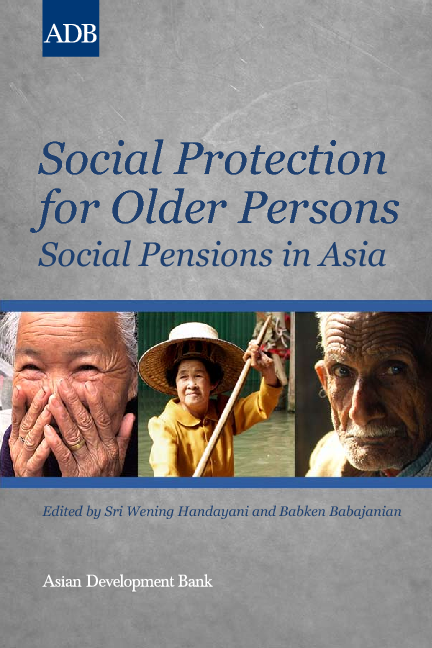
By Sri Wening Handayani & Babken Babajanian The rising number of older persons in Asia has accentuated the importance of strengthening the systems of social protection in the region. This book examines the effectiveness and relevance of noncontributory or social pensions in supporting older persons in Asia. It discusses the political economy and financial sustainability of social pension reform, implications for gender equity and social rights, and design and implementation challenges. Case studies from Bangladesh, Nepal, Thailand, Viet Nam, and South...

October 2023

Large parts of Asia are getting old before they get rich

A bulge in a country’s working-age population is a blessing. Lots of workers support relatively few children and retired people. So long as the labour market can absorb a surge of job-seekers, output per head will rise. That can boost savings and investment, leading to higher economic growth, more productivity gains and developmental lift-off. Yet for countries that fail to seize this opportunity, the results can be grim—as many developing countries may soon discover. Consider Thailand. It is rapidly greying....