June 2022

Spillover Effects of Old-Age Pension Across Generations: Family Labor Supply and Child Outcomes

By Katja Kaufmann, Yasemin Özdemir & Han Ye We study the impact of grandparental retirement decisions on family members' labor supply and child outcomes by exploiting a Dutch pension reform in a fuzzy Regression Discontinuity design. A one-hour increase in grandmothers' hours worked causes adult daughters with young children to work half an hour less. Daughters without children, with older children and sons/daughters-in-law are not affected. We show important long-run impacts on maternal labor supply and on the child penalty....
Does Informality Hold the Key to Growth and Stability?

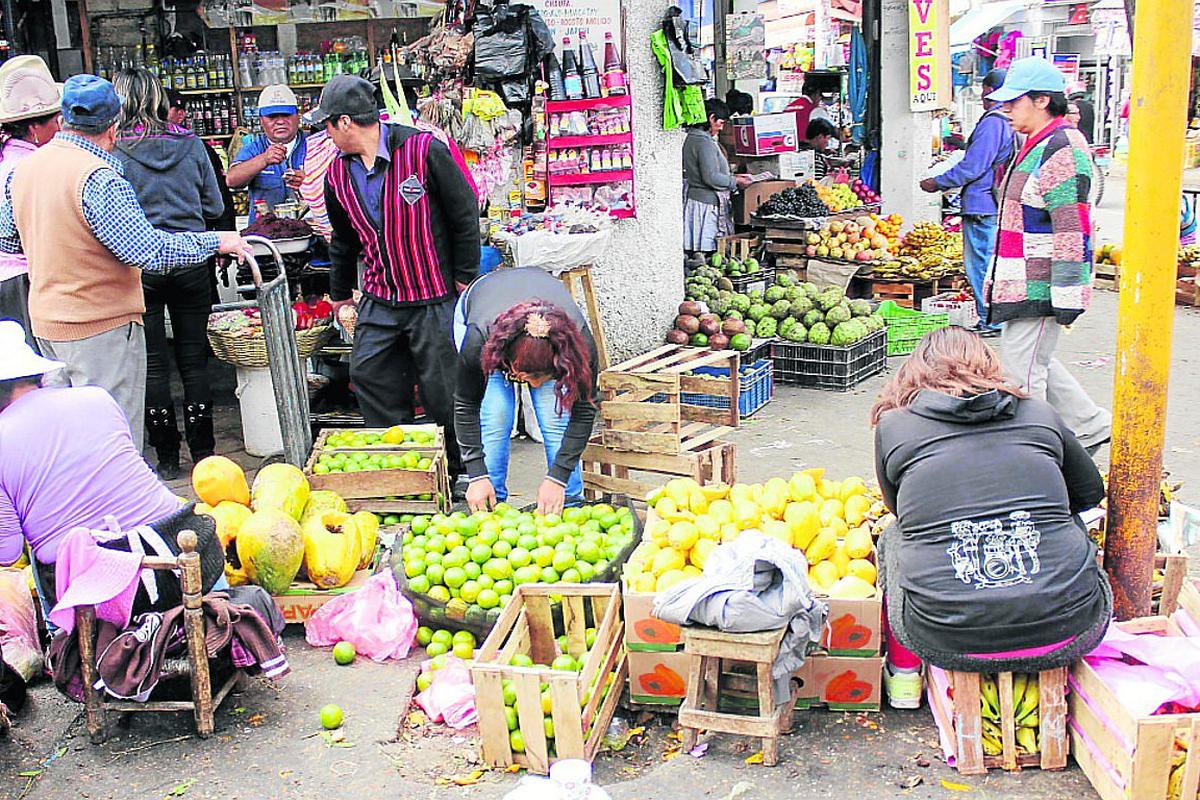
By Meghna Dutta This paper attempts to analyse the impact of a prevailing informal sector on the dynamics of growth and inflation in developing economies. The high growth rates posited by most developing economies in the presence of a huge informal sector suggest that this sector might not be the malefactor as often indicated. The main results show that the informal economy not only contributes to economic growth but the firms also help to significantly reduce inflation by generating employment...

The Gender Pensions Gap Report 2022 … and how to close it

By Joanne Segars OBE & Samantha Gould  Lower incomes throughout a woman’s working life will invariably impact their pension savings, creating an obvious pension gap. Furthermore, women who take time away from work to have children or for other caring responsibilities contribute to the widening gulf that we see between men and women’s pension wealth. Three million women are effectively “locked out” of workplace pension saving because they do not meet the £10,000 auto enrolment eligibility criteria. We are on a mission...

LGBTQ and Finance

By Sanjukta Brahma, Konstantinos Gavriilidis, Vasileios Kallinterakis, Thanos Verousis & Mengyu Zhang Recent changes in workplace and corporate board diversity policies and a series of court rulings have signalled a fundamental change in the treatment of lesbian, gay, bisexual, transgender and queer (henceforth LGBTQ) people in the corporate world. In this paper, we survey the burgeoning literature on the role of sexual orientation in finance. We show that LGBTQ-friendly policies affect organizational outcomes and enhance the quality of corporate governance....

Gay, gray, black, and blue: An examination of some of the challenges faced by older LGBTQ people of color

By Seon Kum Few studies exist that highlight the life experiences of the older LGBTQ person of color. This cohort faces unique challenges in life that have not been explored or investigated extensively, if at all. Older LGBTQ people of color have experienced discrimination based on race, gender, and sexuality in all phases of their lives, often bearing witness to and helping to start various equal rights and social justice movements. In addition to the unique challenges that come with...

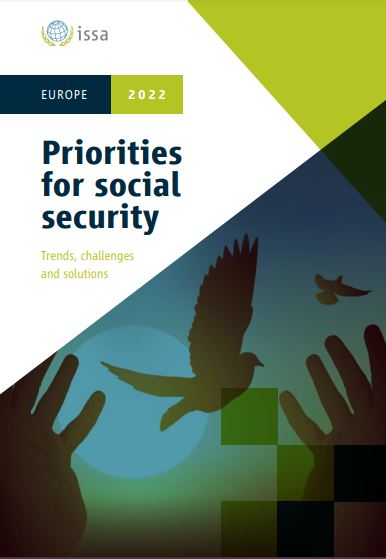
Priorities for social security. Trends, challenges and solutions

By Issa The International Social Security Association (ISSA) draws its value, strength and dynamism from a global membership of national institutions that administer the main social security programmes of their countries. This gives the Association a unique and privileged vantage point from which to analyse key policy issues and emerging challenges in social security, and the many innovative responses and creative solutions to these. For its 2020–2022 Programme and Budget, the ISSA defined four priority areas to be addressed during the...

May 2022

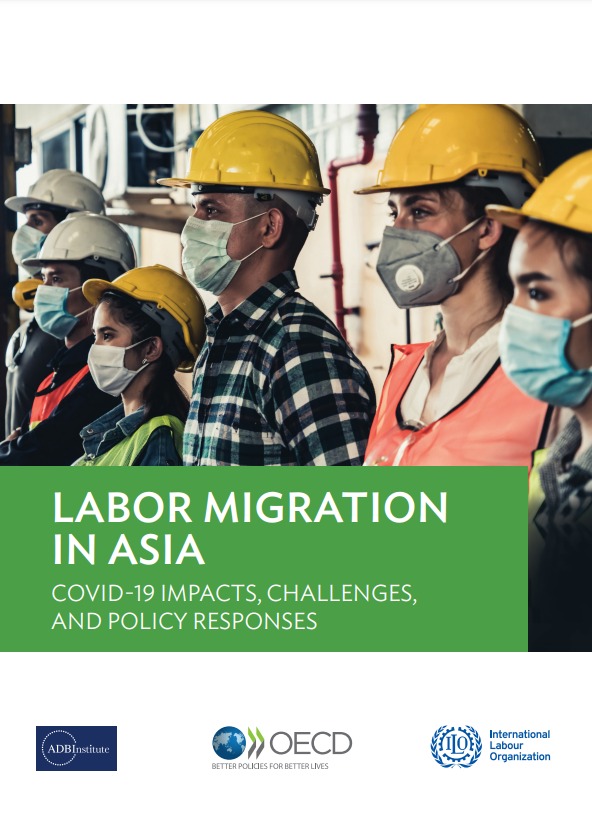
Labor Migration in Asia. COVID-19 Impacts, Challenges, and Policy Responses

By ADBI Institute, OECD & ILO International migration is a difficult megatrend to predict. Yesterday, the COVID-19 pandemic; today, the Ukrainian refugee crisis; these have had and will have unpredictable long-lasting impacts on the international cross-border movements of tourists and migrant workers. After two years of a global pandemic, the world is still in the midst of a disruption of migration patterns. The cascade of border closures and the wild swings in economic activity upended predictions about labor migration. Deployment...

The Economic Well-Being of LGBT Adults in the U.S. in 2019

By CLEAR The Federal Reserve Board has conducted the Survey of Household Economic Decisionmaking (SHED) since 2013. In 2019, the survey included LGBTQ people by asking U.S. adults about their sexual orientation and gender identity (SOGI), enabling for the first time the creation of a picture of the economic well-being of LGBT households using the SHED data. Analysis of the data shows that in 2019: • LGBT adults were more often struggling to get by. Fewer than two-thirds of LGBT adults reported...

The LGBTQ+ Gap: Recent Estimates for Young Adults in the United States

The LGBTQ+ Gap: Recent Estimates for Young Adults in the United States

By Marc Folch This article provides recent estimates of earnings and mental health for sexual and gender minority young adults in the United States. Using data from a nationally representative sample of bachelor’s degree recipients, I find a significant earnings and mental health gap between self-identified LGBTQ+ and comparable heterosexual cisgender graduates. On average, sexual and gender minorities experience 22% lower earnings ten years after graduation. About half of this gap can be attributed to LGBTQ+ graduates being less likely...

April 2022

Labor Marcket Search, Informality, and Schooling Investmets

Labor Market Search, Informality, and Schooling Investmets

By Matteo Bobba, Luca Flabbi & Santiago Levy We develop a search and matching model where jobs can be formal or informal. Workers choose schooling and search for jobs. Firms post vacancies in each schooling market and decide the job's formality status. Upon meeting, workers and firms bargain over wages. The equilibrium size of the informal sector is an endogenous function of labor market fundamentals and institutions. We estimate the model using labor force survey data from Mexico and exploiting the...