
June 2019

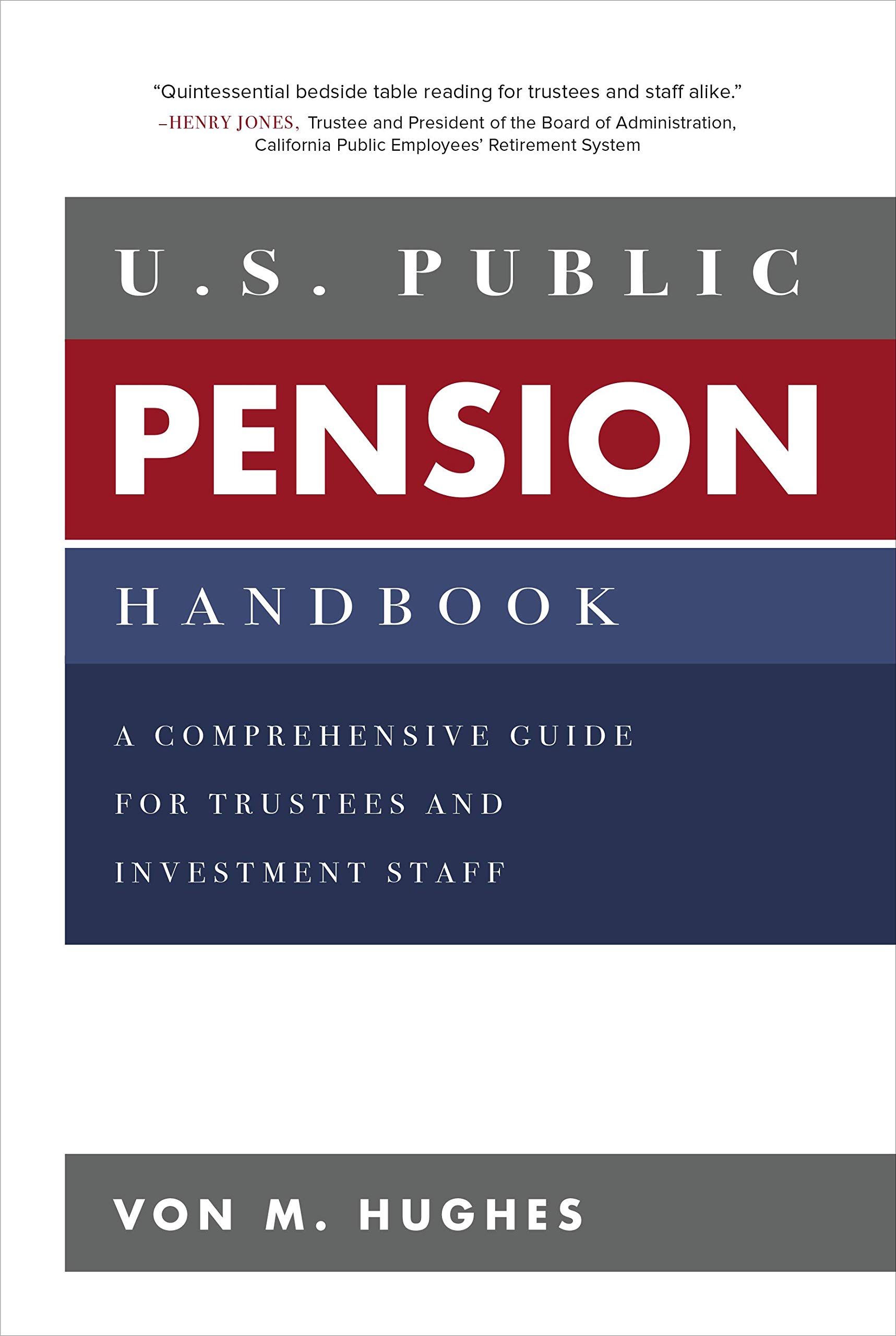
U.S. Public Pension Handbook: A Comprehensive Guide for Trustees and Investment Staff

By Von M Hughes In an ever-changing financial and political landscape, your job as a public pension fiduciary continues to get more difficult. Now, you have the help you need. U.S. Public Pension Handbook is the only one-stop resource that covers the various areas of public pension policy design, governance, investment management, infrastructure, accounting, and law. This comprehensive guide presents critical data, information, and insights in topic-specific, easy-to-understand ways--providing the knowledge you need to elevate...

Financial Literacy and Financial Education: Theory and Survey

By Beata Swiecka, Aleksandra Grzesiuk, Dieter Korczak It is a well-known saying that money does not buy happiness. But it certainly helps in life. It is important to have enough of it to satisfy our needs and to secure ourselves from emergency situations. That's what adults think. And what about the youth? What is their approach to money, what do they know about finances and how are their skills in everyday financial management coming along? What kind of...

How Will Retirement Saving Change By 2050? Prospects for the Millennial Generation

By William G. Gale, Hilary Gelfond, Jason J. Fichtner We consider prospects for retirement saving for members of the millennial generation, who will be between ages 54 and 69 in 2050. Adequacy of retirement saving preparation among current and near-retirees is marked by significant heterogeneity, a characteristic that will likely hold for Millennials as well. In preparing for retirement, Millennials will have several advantages relative to previous generations, such as more education, longer working lives, and more flexible work arrangements,...

Ahorro para el Retiro: más que tsunami, un maratón. Comentarios al Anteproyecto de Políticas y Criterios en Materia de Comisiones. Elaboración de Diagnóstico.

Policy Note de Ernesto BrodersohnCEO y fundador de Pension Policy International En México, diversos especialistas en pensiones han adoptado el concepto Tsunami pensionario para referirse al problema del inadecuado financiamiento de las pensiones de una manera que sensibilice a los actores políticos y los obligue a actuar en consecuencia para reformar sustantivamente el actual Sistema de Ahorro para el Retiro. No obstante, valdría la pena aclarar que mientras el Tsunami es un desastre natural que ocurre y después regresa la situación a cierta normalidad posterior al evento, el...

Perú. Deuda de empresas privadas con los afiliados de las AFP asciende a S/13,666 millones

La Asociación de AFP(AAFP) informó que son 126,183 las empresas privadas que no han depositado el aporte previsional de sus trabajadores en la AFP. La deuda nominal que mantienen dichas firmas es S/ 1,218 millones que actualizada bajo factores SBS, que toma en cuenta interés moratorios y la rentabilidad generada, se transforma en S/ 13,666 millones, dijo Giovanna Prialé, presidenta de la AAFP. Esta deuda actualizada solo tomando en cuenta la rentabilidad promedio generada por las AFP es...

Chile. Abogados abren debate por posible inconstitucionalidad de excluir a las AFP de administrar el 4% adicional

Si bien la batalla por la administración del 4% adicional que propone la reforma previsional ha estado en la arena política y técnica, ahora se suma una nueva área a la discusión: la legal. ¿Podría ser inconstitucional excluir a las AFP de la gestión del 4%? Aquí el debate también está dividido. Arturo Fermandois, profesor constitucionalista de la Universidad Católica, explica que en caso de que el ente estatal que propone el gobierno opere “con la lógica de cuentas...

Paraguay. Aprueban cobro automático de pensión

Los senadores dieron media sanción en la víspera al proyecto de ley que dispone la universalización y el cobro automático de la pensión alimentaria para adultos mayores desde los 65 años, que se encuentren en situación de pobreza. Según el proyectista, senador acusado Salyn Buzarquis (PLRA-efrainista), esta propuesta beneficiará a las personas de la tercera edad con escasos ingresos económicos o casi nulos, a través del Ministerio de Hacienda, institución que maneja los ingresos de los contribuyentes. Con un...

UK. Women fight pension age changes in court

Nearly four million women born in the 1950s have been affected by the raising of the state pension age from 60 to 66. Two claimants who are part of the Back To 60 campaign group have now taken the Department for Work and Pensions to the High Court in London, arguing that the change "unlawfully discriminated against them on the grounds of age, sex, and age and sex combined". They also claim that they were not given adequate notice....

US. 5 questions employers need to ask about retirement plans

In a tight labor market, offering an employer-sponsored retirement plan can give companies the advantage they need to attract and retain quality employees. Workplace savings plans can also positively impact a company’s bottom line. They provide business owners with a valuable tax deduction, while offering both employers and employees a tax-advantaged savings vehicle to help fund retirement. Allan Westcott, senior vice president and director of institutional services at United Wealth Management, a division of United Bank, offers the following...

New Zealand. ‘Evil’ spousal deduction policy affecting pensions to be abolished

The Government is overturning a controversial policy from the 1960s that allows people's pensions to be reduced if their partner also receives a pension from overseas. Under the Social Security Act 1964, if someone receives a higher pension from overseas, their own New Zealand pension will first be deducted, and then the balance is also taken from their partner in a process called spousal deduction. This sometimes leaves people with no pension money at all, while their partner holds...