April 2021

Population aging and comparative advantage

By Jie Cai, Andrey Stoyanov In this paper we show that demographic differences between countries are a source of comparative advantage in international trade. Since many skills are age-dependent, population aging decreases the relative supply and increases the relative price of skills which depreciate with age. Thus, industries relying on skills in which younger workers are relatively more efficient will be more productive in countries with a younger labor force and less productive in countries with an older population. Building upon the neuroscience and economics...

Japan approves law raising retirement age to 70

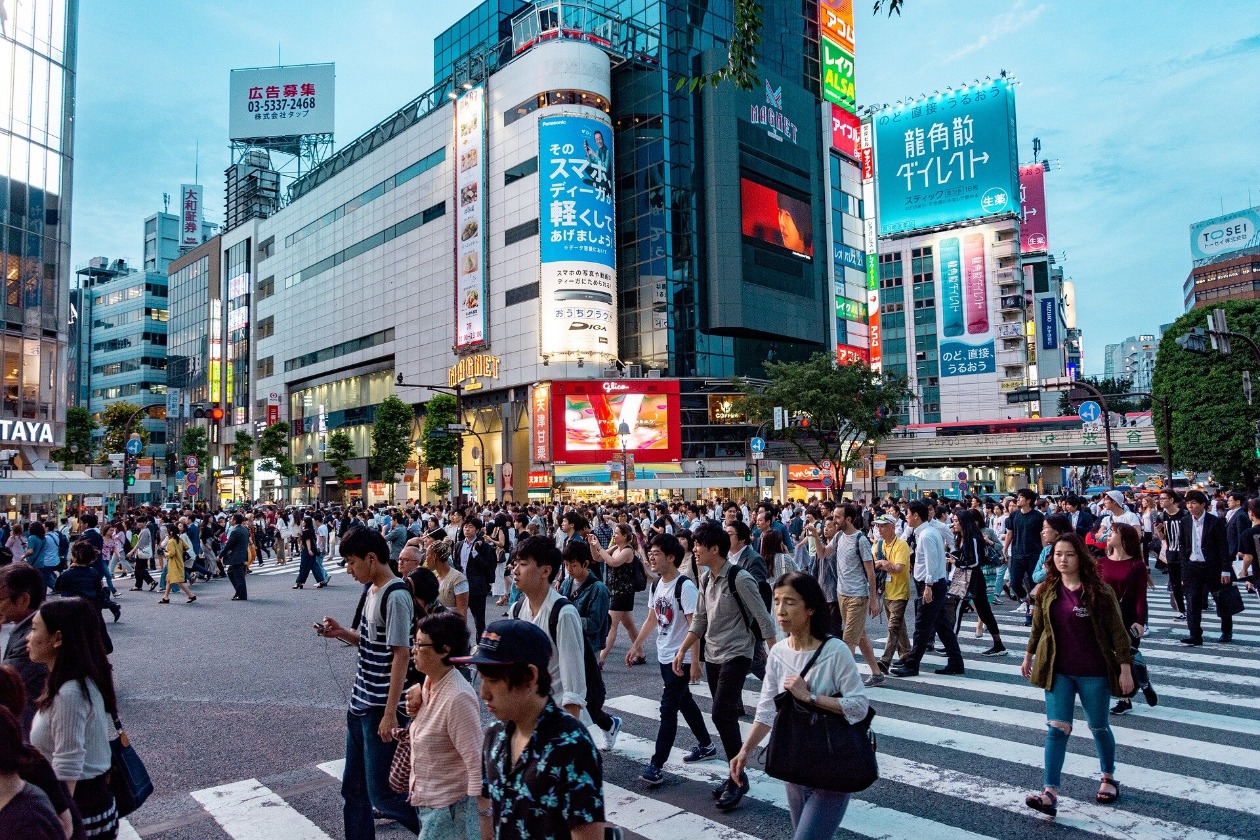
By Charles Chau The move is part of an effort to address the country’s falling birthrate and an ageing population, and the consequent labour shortage and rising cost of pensions. Read also New GPIF Board Head Says Fund Isn’t Distorting Japan Stocks The bills give companies five options for retaining older workers: Raising the retirement age. Abolishing the retirement age. Allowing employees to work beyond the age limit. Outsourcing work to retirees as freelancers. Supporting employees who move on to work for non-profits and other entities that...

New GPIF Board Head Says Fund Isn’t Distorting Japan Stocks

By Chikafumi Hodo, Emi Urabe Japan’s Government Pension Investment Fund, the world’s largest pension pot, considers the impact of its investments on markets and isn’t distorting the country’s stocks, said Hirohide Yamaguchi, the newly appointed chairman of the fund’s board of governors. Yamaguchi, a former deputy governor of the Bank of Japan, said also that it was important to look at the fund’s long-term returns, rather than focusing on the short-term. He spoke in Tokyo at his first press conference since...

March 2021

World’s Top Pension Fund Faces Moment of Truth on China Debt

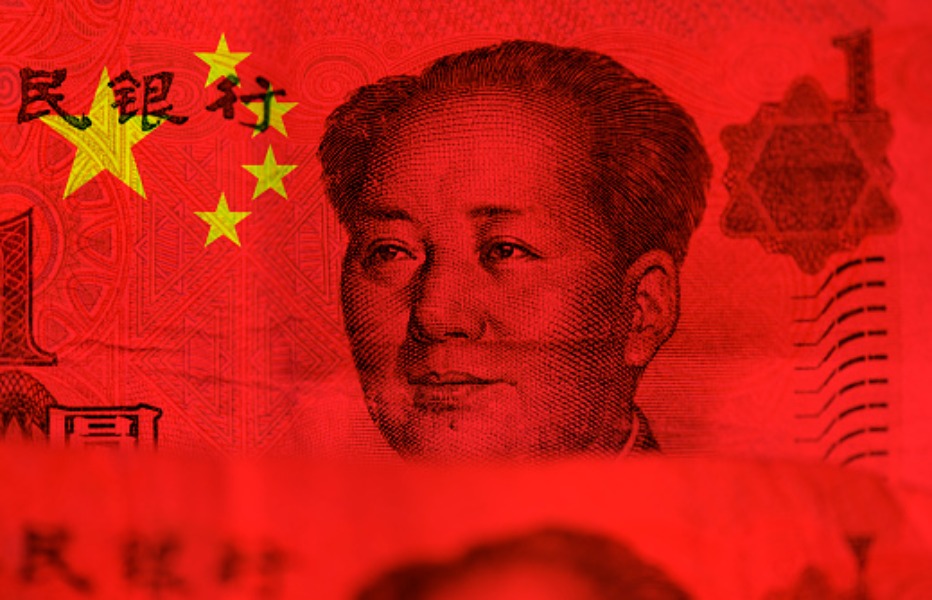
The world’s largest pension pot will soon have to choose between political sensitivities and cold hard returns. With FTSE Russell set to proceed with a plan to add Chinese debt to its benchmark global bond index from October, Japan’s Government Pension Investment Fund will now have to decide whether to put its money into China’s sovereign debt, or risk lower returns elsewhere. Read also Thailand plans new retirement plan to support its aging population Investing Japanese pension money in Chinese government debt...

February 2021

Investigation: Dutch, Japanese pension funds pay for Amazon deforestation

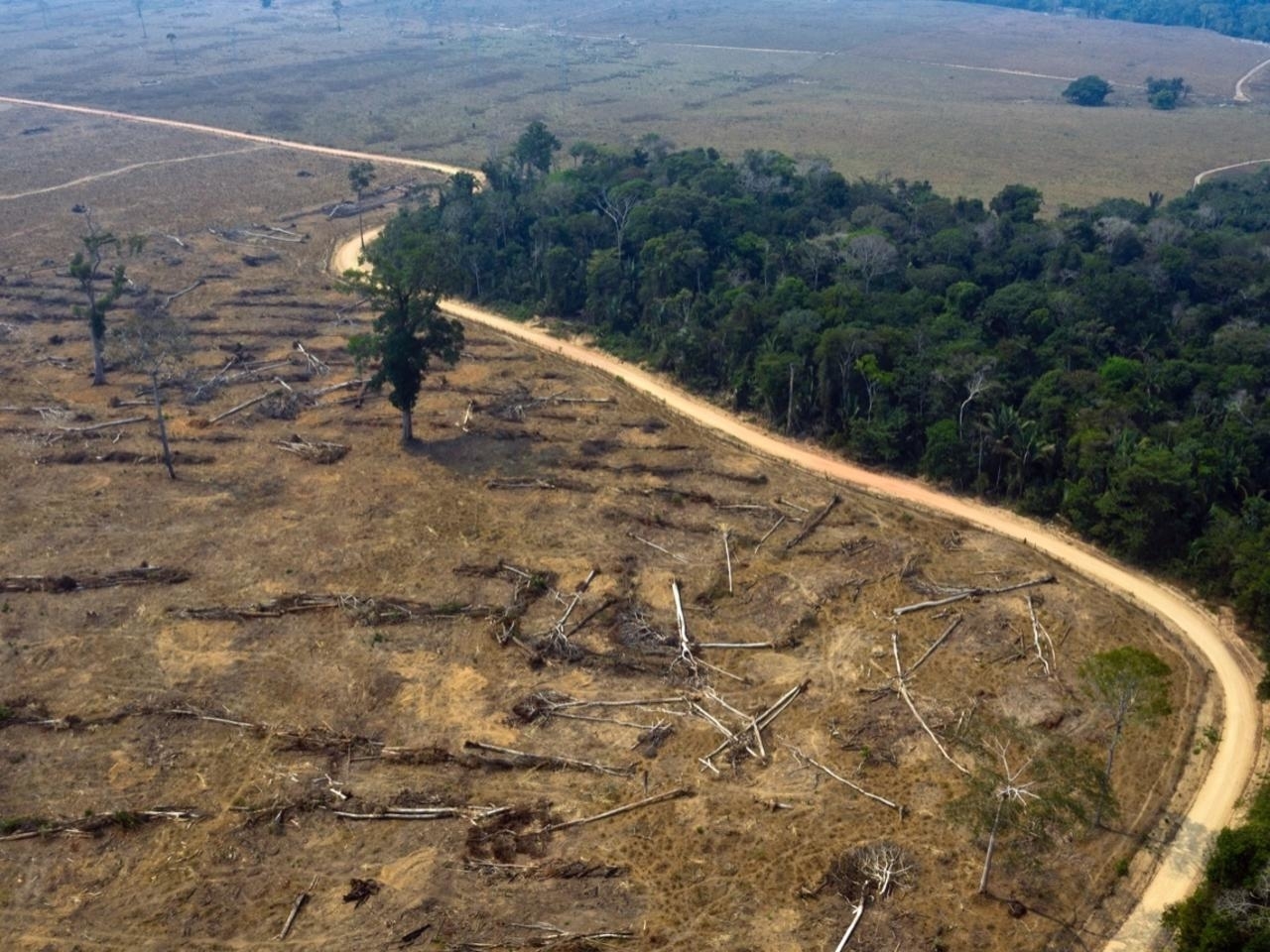
Two pension funds in the Netherlands and one from Japan have invested a combined half a billion dollars in Brazil’s top three meatpackers. These investments in cattle ranching, an industry that’s the main driver of Amazon deforestation, contradict the environmental stances of the respective funds and their national governments. The fund managers and other experts say maintaining their stake is a more effective way of pushing for change in the companies than simply dumping the stock. But there’s also a growing realization...

December 2020

Japan. GPIF Invests $12.5 Billion in Morningstar, MSCI ESG Benchmarks

The Government Pension Investment Fund (GPIF) in Japan has started investing $12.5 billion into two foreign environmental, social, and governance (ESG) benchmarks from US index providers Morningstar and MSCI. Read also US. Saving at Work for Retirement: A Perk Coming to More States in 2021 The Japanese pension allocated roughly $9.7 billion to a general ESG-themed index from MSCI, as well as $2.9 billion to a gender diversity-themed index from Morningstar, the fund said Friday. Respectively, the two benchmarks...

November 2020

Bridging Japan’s Pension Savings and Returns Gap: A Focus on Younger Generations

In May 2020, the Japanese National Diet passed pension system reform legislation broadening the eligibility of part -time workers – mainly women and the elderly – for the public pension system and raising the maximum age to start receiving benefits to 75 from the current 70. Issues surrounding the “super-aging” society are among the most pressing public policy priorities in Japan, and this latest legislative change is just one of many attempts to reform the country’s pension system. Japanese...

Japan’s Government Pension Investment Fund Returns 3.05% in Q2

Japan’s Government Pension Investment Fund (GPIF) posted an investment return of 3.05% gross of fees during the second quarter of fiscal year 2020 to raise the asset value of the world’s largest pension fund to 167.536 trillion yen, or $1.62 trillion. The fund is now $440 billion larger than the world’s second largest pension fund, Norway’s Government Pension Fund Global (GPFG), which currently has an asset value of roughly $1.18 trillion. To put that in perspective, the gap between...

October 2020

How are Japanese corporate funds adapting to global economic challenges

Since 2016, a Japanese publication for institutional investors, AL-IN, has periodical surveyed Japanese corporate pension funds to determine what products best serve them as they confront structural and market changes. The 2018 edition of the survey found pension funds preparing for a domestic economic downturn. Income gains were already slack and pension funds sought bond-related and low-liquidity assets to cover the shortfall. Since then, investment and financial markets have been defined by the U.S. Federal Reserve’s shift in monetary...

Japanese pension funds may hold key to Chinese JGB puzzle

China has ramped up purchases of low-yielding Japanese government bonds China stormed back into Japanese government bonds over the summer with ¥2.2tn ($21bn) in purchases between June and August — the biggest three-month spree since Japan’s Ministry of Finance began compiling data in 2005. The country has made several similar incursions to the JGB market since 2016 — the previous record high for purchases — snapping up Japan’s notoriously low-yielding debt on a grand scale and causing head-scratching over what...