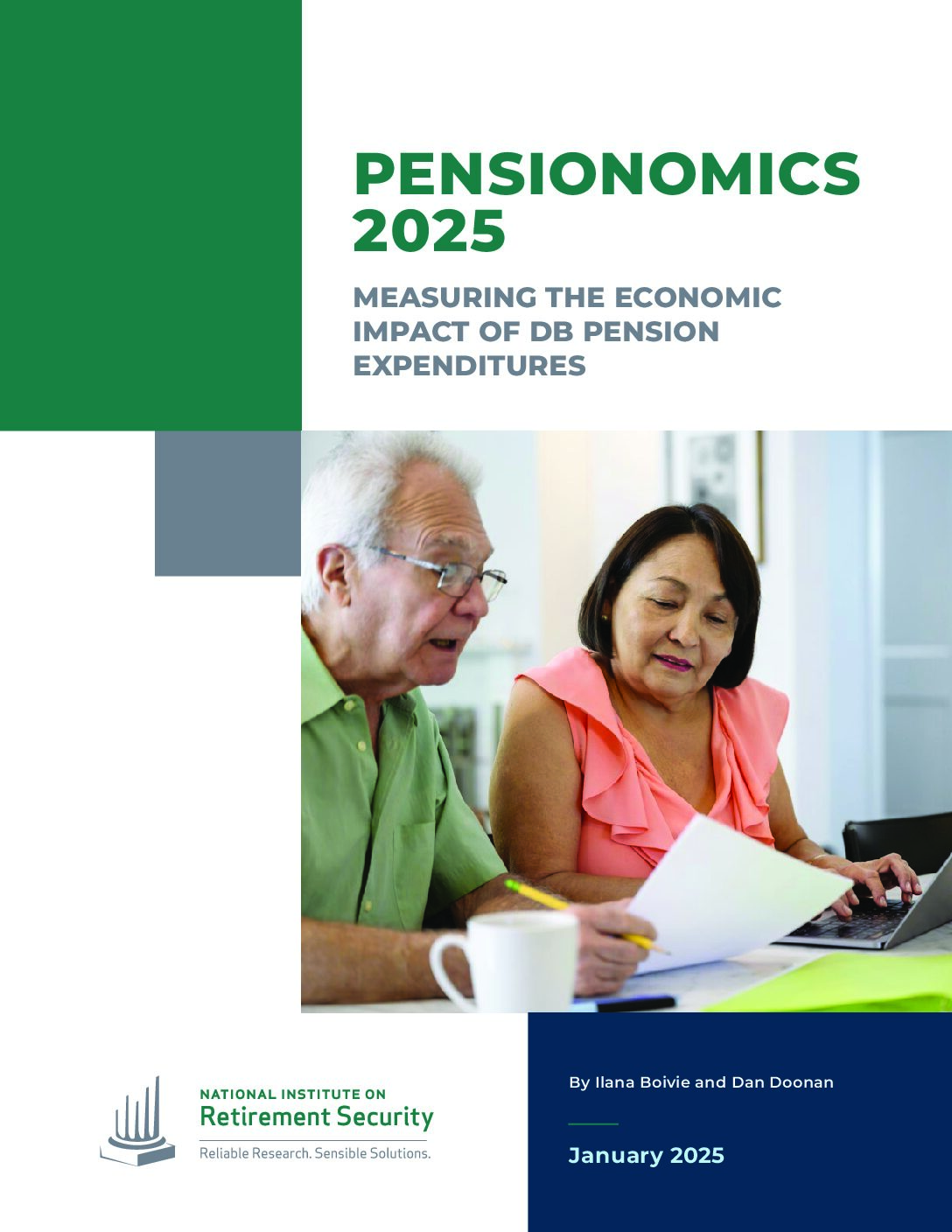
January 2025

NIRS’ Pensionomics 2025 Report

By Andrew Clark Earlier this month, the National Institute on Retirement Security (NIRS) released its bi-annual Pensionomics report, which details how spending from defined-benefit pensions boosts economies in communities nationwide and continues to be a reliable economic driver for millions of people. The report examines the impact of pensions on local economies nationwide by calculating the benefits paid to retirees and the subsequent spending generated by these benefits. This analysis includes tax revenue and local expenditures, which stimulate the broader economy, leading...
Adequacy of future retirement incomes: new evidence for private sector employees

By Jonathan Cribb, Laurence O'Brien & David Sturrock This report takes a fresh look at the prospects for the future of retirement incomes for employees in the UK. Since the Pensions Commission reported around 20 years ago, much has changed in the economic and pensions policy environment. While the introduction of automatic enrolment has been in many respects a great policy success – and the level and coverage of the flat-rate component of the state pension have increased markedly – lower-than-expected...

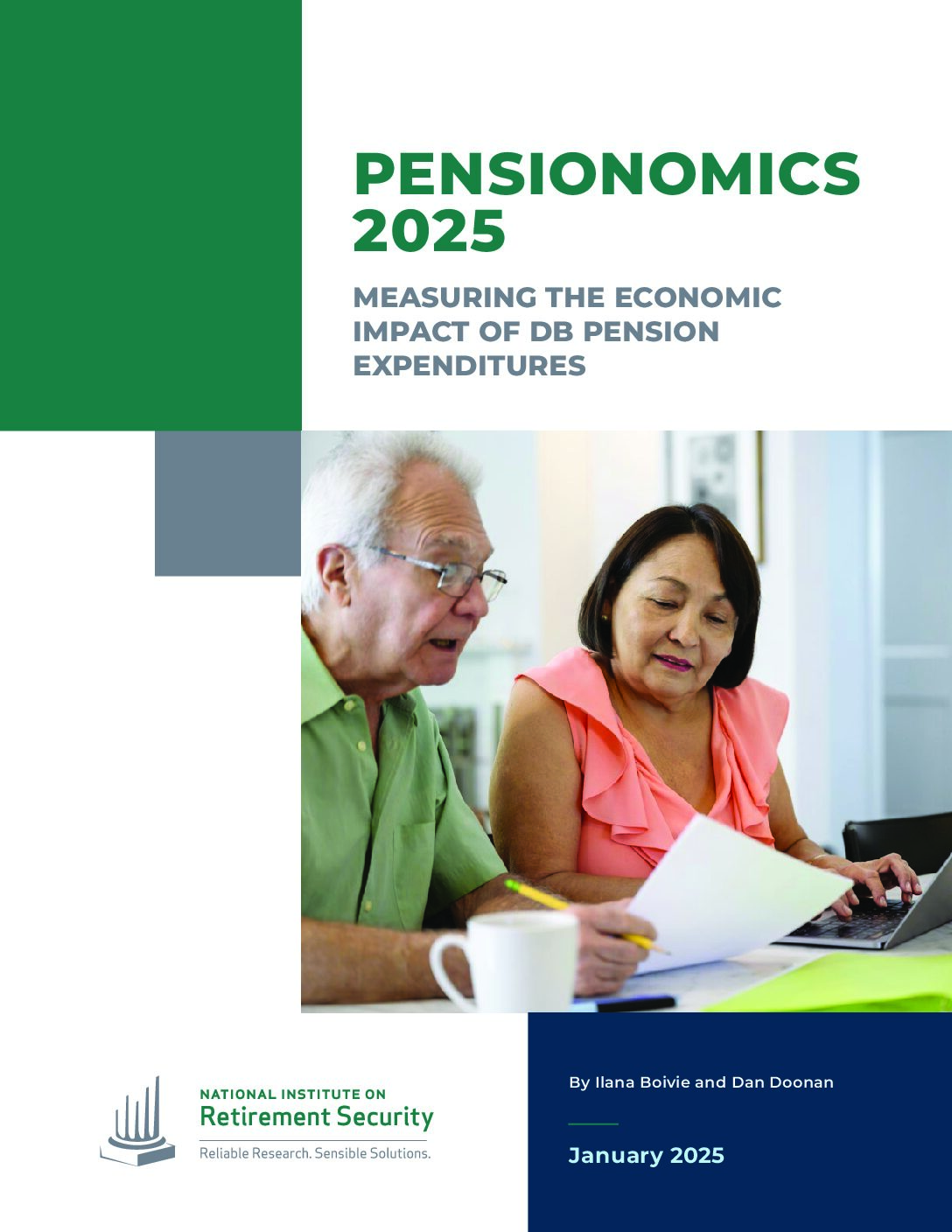
Pensionomics 2025: Measuring the Economic Impact of Defined Benefit Pension Expenditures

By Dan Doonan & Iliana Boivie Pensionomics 2025: Measuring the Economic Impact of Defined Benefit Pension Expenditures finds pension spending powered by U.S. private and public sector defined benefit pensions contributed significantly to the economy. In 2022, retiree spending of public and private sector pension benefits generated $1.5 trillion in total economic output, supporting 7.1 million jobs across the nation. In addition to its impact on employment and economic activity, pension spending bolstered public finances in 2022, adding $224.3 billion in...

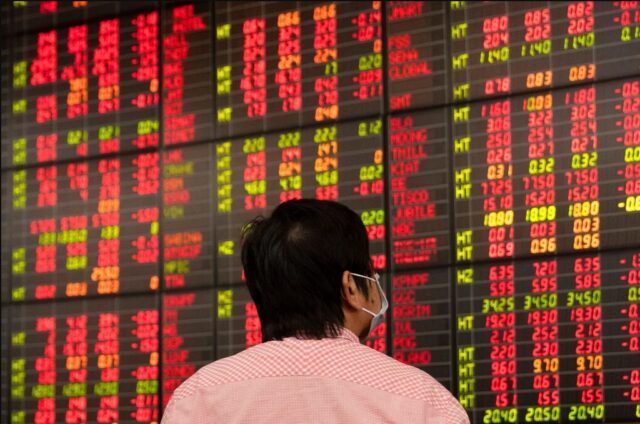
China. Private pension plan to boost capital markets

The implementation of a private pension program nationwide will serve as an important driver for the increased maturity of Chinese capital markets, but there is still room for it to attract more users with a willingness to open accounts and invest, said experts. According to a notice jointly released by five central government departments, including the Ministry of Human Resources and Social Security, the Ministry of Finance and the State Taxation Administration, the private pension program began to be fully...

Romanian private pension fund assets jump 19% in 2024 on year

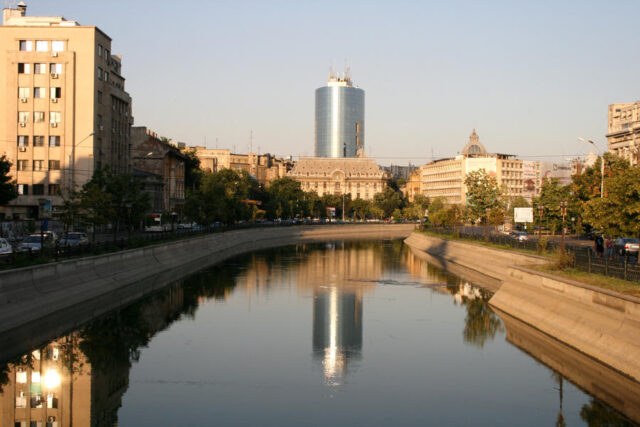
Assets held by Romania's seven mandatory private pension funds jumped 19% on the year to 150.85 billion lei ($31.15 billion) in 2024, with the average yield at 5.74%, slightly above the 5.1% annual inflation rate, the industry association said on Tuesday. The European Union member state overhauled its communist-era pension system in 2008, making it compulsory for working Romanians under 35 to contribute to a "second pillar" of private pension schemes as well as their state pension. Roughly 8.3 million Romanians...

December 2024

Belgium. Staggering Pension Gap Revealed: Shocking Differences Between Civil Servants and Workers

The ongoing formation of a new federal government in Belgium, led by Bart De Wever, is facing significant challenges. A key issue at the forefront is the pension reform aimed at achieving substantial savings. As Stijn Baert highlighted on ‘De tafel van Gert’, the disparity between public and private sector pensions raises questions. How can this gap be addressed effectively? Fast Answer: Belgium’s pension reform discussions reveal a stark contrast between public and private sector pensions, with civil servants earning significantly more. This...

October 2024

High-stakes pension plebiscite could turn Uruguay’s election in to its ‘Brexit moment’

Uruguayans vote for their next president on Sunday, but the election is set to be eclipsed by another ballot: a pension plebiscite that analysts have warned could cripple the nation’s finances. Along with choosing a new president, 30 senators and 99 deputies, the electorate will also vote on two referendums. The first – which comes in response to rising fears over organised crime and public safety – would allow nighttime police raids on homes. But it is the second that...

Vote to continue strike exposes Boeing workers’ anger over lost pensions

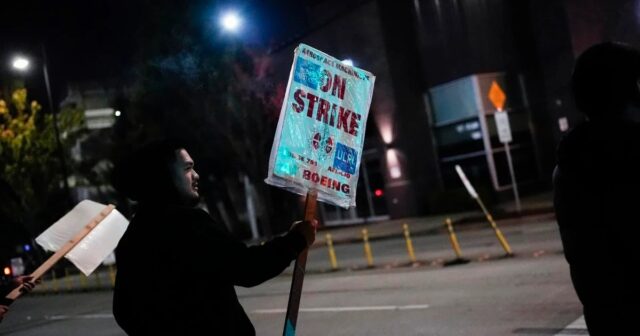
Boeing froze its traditional pension plan as part of concessions that union members narrowly voted to make a decade ago in exchange for keeping production of the company’s airline planes in the Seattle area The walkout has stopped production of the company’s 737, 767 and 777 jetliners, cutting off a key source of cash that Boeing receives when it delivers new planes Since going on strike last month, Boeing factory workers have repeated one theme from their picket lines:...

September 2024

Pension Coverage and Informal Sector Workers: International Experiences

By Yu-Wei Hu & Fiona Stewart  Pension reform around the world in recent decades has focused mainly on the formal sector. Consequently, many of those working in the informal sector have been left out of structured pension arrangements, particularly in developing countries – a serious problem given this group are often low income earners, vulnerable to economic volatility and change. However, since the turn of the millennium, efforts in a range of countries have increasingly highlighted improving pension coverage for...

The Future of Retirement Security An International Comparison through the Lens of Adequacy, Sustainability, Equity and Plan Design

By Surya Kolluri, Catherine Reilly & David P. Richardson Countries around the world are considering and implementing reforms to their retirement systems for a variety of reasons, including increasing demographic and economic pressures. A key demographic driver is human longevity. For example, the average retiree can expect to spend about two decades in retirement, roughly double the time from 50 years ago. In the United States, life expectancy has risen by 17 years since the Social Security program debuted nearly...