December 2021

Reforms of an Early Retirement Pathway in Germany and Their Labor Market Effects

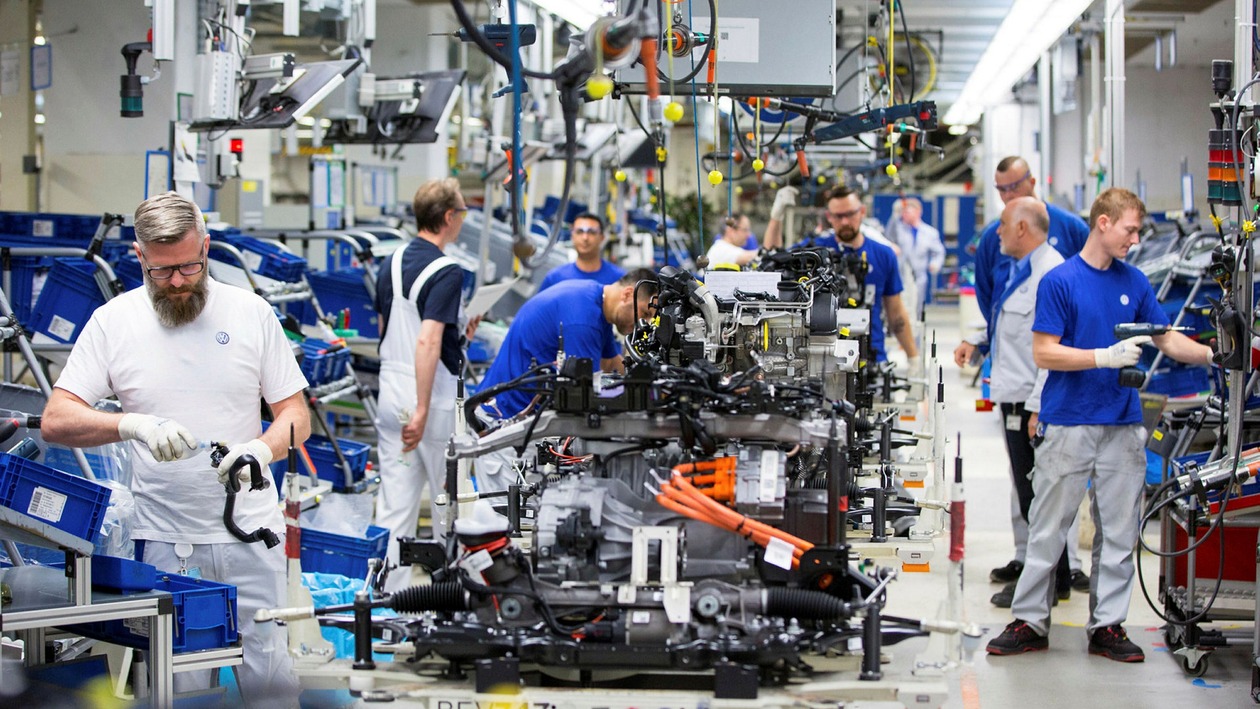
By Regina T. Riphahn & Rebecca Schrader We investigate the unemployment pathway to retirement in Germany and study the causal effects of two early retirement reforms. Reform 1 (NRA) increased normal retirement age stepwise from 60 to 65. Simultaneously, it became possible to use early retirement with benefit discounts. Reform 2 (ERA) increased the age of early retirement stepwise from 60 to 63. We investigate behavioral responses to the reforms using administrative data and difference-indifferences strategies. We find strong and...

November 2021

Early Retirement of Employees in Demanding Jobs: Evidence from a German Pension Reform

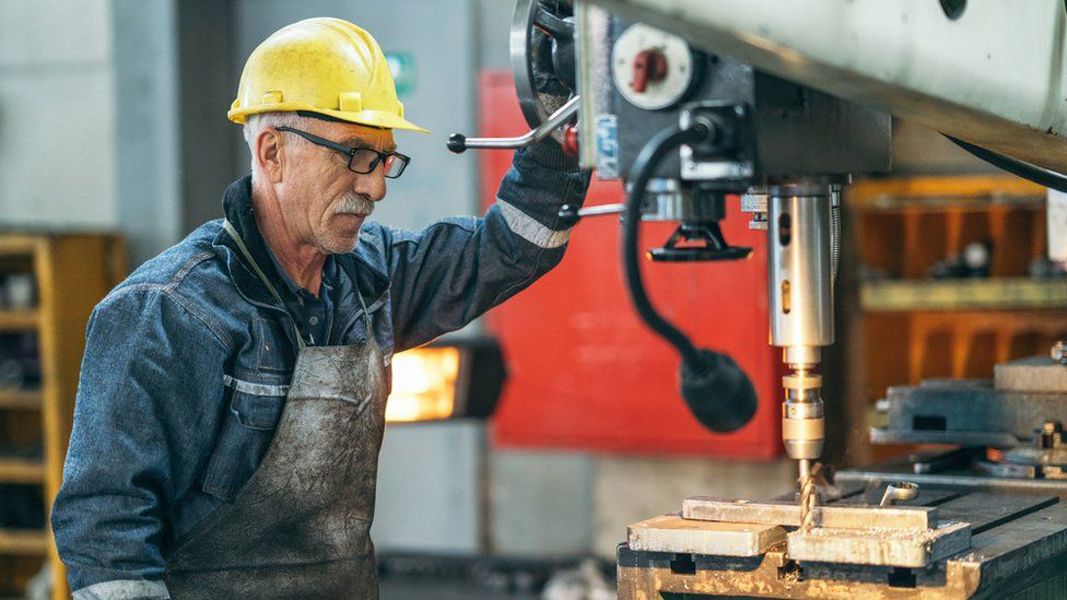
By Johannes Geyer, Svenja Lorenz, Thomas Zwick & Mona Bruns Early retirement options are usually targeted at employees at risk of not reaching their regular retirement age in employment. An important at-risk group comprises employees who have worked in demanding jobs for many years. This group may be particularly negatively affected by the abolition of early retirement options. To measure differences in labor market reactions of employees in low- and high-demand jobs, we exploit the quasi-natural experiment of a cohort-specific...

The Rising Age of Retirement and Life Expectancy

For many people retirement is something to look forward to, with it being a new stage to life with no work and endless opportunities. Our Life Plan has predicted how old individuals will be when they retire up to 29 years into the future. They have looked into the rising age of retirement across 36 OECD countries, revealing that some workers can expect to be 82 when they retire. The team has also predicted how long these individuals can expect to...

The Skill-Specific Automatability of Aging Workers and Retirement Decisions

By Zeewan Lee Much of the discourse on the impact of automation on labor supply tends to assess the labor force as a whole, thereby disregarding the marginal effect on aging workers. In lights of the growing technological changes, we assess the linkage between the automatability of workers and retirement timing. Based on the theoretical model of task-based technological changes and drawing data from the Health and Retirement Study and O*NET, we create an Automatability Index based on workers’ primary...

October 2021

COVID caused more than 3 million Americans to retire early, a new Fed analysis finds

More than 3 million Americans decided to retire earlier than they would have due to the COVID-19 pandemic, according to a new analysis. Miguel Faria E Castro, a senior economist at the St. Louis Fed, compared retirees to the baby-boomer trend to distinguish between “normal” and “excess” retirements. As of August, he found, there were slightly over 3 million excess retirements, which is more than half of the 5.25 million people who have left the labor force since the beginning...

September 2021

Jamaica. The nation is facing a retirement crisis

A social pension is a non-contributory cash income that is given by the Government to the elderly. In July of this year, the Jamaican Government launched an $800,000,000 social pension geared at providing guaranteed income to senior citizens 75 years and older who don't have retirement income or disability benefits. Recipients are entitled to a monthly payout of $3,400. But, can this paltry sum suffice in an economy of rising prices? The nation is indeed facing a retirement crisis. With...

One Country, Two Systems: Evidence on Retirement Patterns in China

By John Giles, Xiaoyan Lei, Gewei Wang, Stephen Yafeng Wang, Yaohui Zhao This paper documents the patterns and correlates of retirement in China using a nationally representative survey, the China Health and Retirement Longitudinal Study (CHARLS). After documenting stark differences in retirement ages between urban and rural residents, the paper shows that China's urban residents retire earlier than workers in many OECD countries and that rural residents continue to work until advanced ages. Differences in access to generous pensions and...

When phased retirement could work out

Retirement doesn’t have to be a drastic cut from a full-time job to no job at all. You may still want to work, just not as much — especially if you aren’t financially ready to retire. The gradual reduction of hours known as “phased retirement” could be the answer, and it can be achieved either through an official policy at your employer or in a more informal fashion. In fact, 45% of U.S. workers envision reducing their work hours in a phased...

August 2021

Retirement and Voluntary Work Provision: Evidence from the Australian Age Pension Reform

By Rong Zhu This paper examines the empirical link between retirement and the supply of volunteer labor, using panel data from the Household, Income and Labour Dynamics in Australia (HILDA) Survey. To identify the causal impact, we exploit a major reform of the Australian Age Pension which has significantly changed the retirement incentives of older people. We find positive and significant effects of retirement status on the voluntary work provision of older men and women. Longer time spent in retirement...