October 2023

UK. Regulatory change is pension schemes greatest concern

The 2023/24 edition of Aon’s Global Pension Risk Survey – published every two years for over a decade - charts the actions, plans and concerns of UK DB pension schemes. The UK survey had a total of 204 responses, covering DB schemes of all different sizes, from the relatively small (less than £100 million) to the very large (over £10 billion). This year, 63 per cent of respondents were trustees, including professional trustees, while a quarter were pension managers,...


US. DOL working on pension risk transfer rule review amid hot market

While pension risk transfer (PRT) deals continue to break records, federal regulators are nearing a deadline for review and recommendations of Interpretative Bulletin 95-1. Issued by the Department of Labor in 1995, IB-95 lays out the fiduciary standards for selecting an annuity provider for a pension risk transfer. Under the rule, pensions must consider the provider’s investment portfolio, size relative to the annuity contract, level of capital and surplus, liability exposure, and availability of state government guaranty associations. According to provisions in the...

US auto union strike: Carmakers say they cannot afford UAW demands

The United Auto Workers’ historic standoff with Detroit’s three carmaking giants is centered on an age-old tension: The union says corporate greed is keeping workers from earning fair wages, while Ford Motor Co., General Motors Co. and Stellantis NV say they can’t afford union demands. While both arguments have some merit, one fact stands out: The 10 individuals who’ve served as chief executive officers of the companies since 2010 have collected more than $1 billion of compensation. Meanwhile, wages of...

US Corporate Pension Funding Rises Slightly in September

U.S. corporate pension funding status increased in September, despite a decline in equities. September’s funding status was a return to the norm, following an August that saw pension funding decline for the first time this year.  Insight Investment found that pension funding status improved by one percentage point in August, to 107.5% from 106.5%. Equity losses were offset by a roughly 40 bps increase in discount rates, causing liabilities to decline faster than assets. Assets decreased by 4.5% in September,...

US Corporate Pension Funding Rises Slightly in September

U.S. corporate pension funding status increased in September, despite a decline in equities. September’s funding status was a return to the norm, following an August that saw pension funding decline for the first time this year.  Insight Investment found that pension funding status improved by one percentage point in August, to 107.5% from 106.5%. Equity losses were offset by a roughly 40 bps increase in discount rates, causing liabilities to decline faster than assets. Assets decreased by 4.5% in September,...

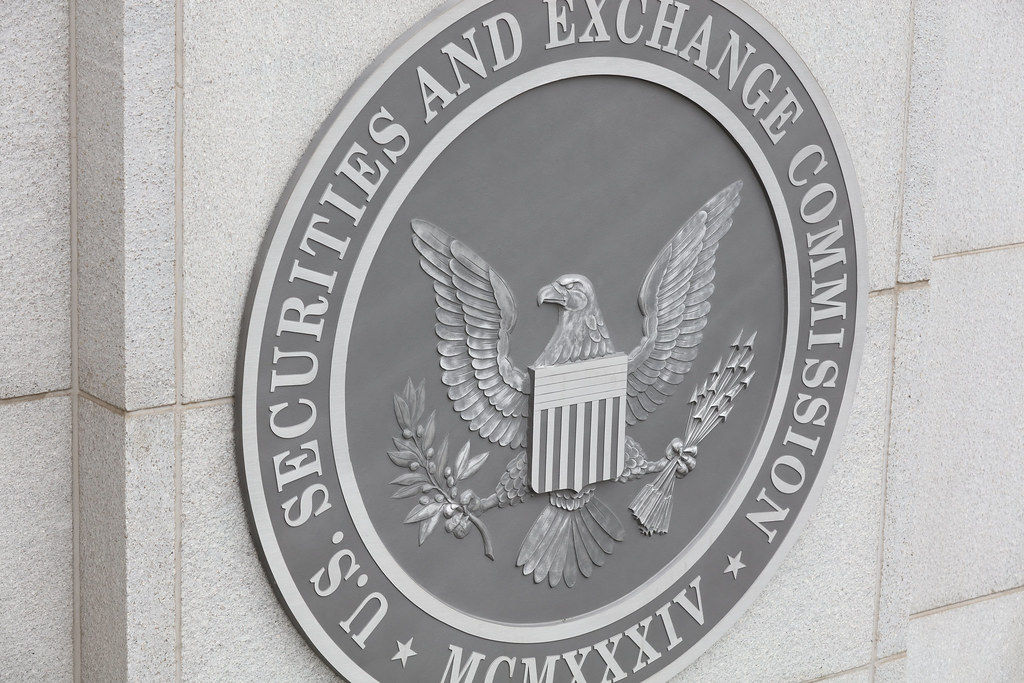
US. New SEC Names Rule getting mixed reaction from industry

Opinions vary on the SEC's choice to expand the scope of its Names Rule — while some industry players feel the new rule will help prevent misleading fund names, others say it will be a disruption to the industry. According to SEC Chair Gary Gensler, the rule amendments "will help ensure that a fund's portfolio aligns with a fund's name. Such truth in advertising promotes fund integrity on behalf of fund investors," he said in a news release Sept. 20...

Why we often struggle to pivot from saving to spending

Here's the retirement quandary for many Americans. They spend years building good financial habits so, if all goes well, they have sufficient funds by the end of their working years. Then, when it’s time to transition, they often struggle in the shift from saving to spending their nest egg. The no-stress years suddenly become the all-stress years. "It's disappointing to get to your first couple of years of retirement, and just constantly be stressed out about your income generation strategy from...

Understanding Trends in Hispanic and African American Retirement Preparedness in the US

By Edward Nathan Wolff  Retirement income security refers to households’ ability to provide an adequate income stream during the period of their retirement from the labor force. Expected retirement income is based on four components: standard wealth holdings, defined contribution pensions, defined benefit pensions, and social security benefits. Using the Survey of Consumer Finances, I find that Black and Hispanic households made remarkable progress in terms of retirement income, poverty reduction, and replacement rates over 1989-2007. This was followed by...

Replacement Rates and the Retirement Crisis

By Andrew G. Biggs  In 2014, the annual Social Security Trustees Report removed measures of Social Security replacement rates, which represent Social Security retirement benefits as a percentage of pre-retirement earnings. The Trustees expressed concerns that the Social Security Administration’s (SSA) actuaries’ methodology produced results that differed meaningfully from other common approaches. In 2023, the Social Security Trustees returned replacement rates to the report, without changes to the SSA methodology or discussion of their decision. The SSA replacement rate methodology produces...

U.S. corporate pension funding rises in September on falling liabilities

U.S. corporate pension plan funding ratios increased in September despite a second straight month of negative market returns thanks to falling liability values, according to three new reports. Wilshire Advisors estimated the aggregate funding ratio of U.S. corporate plans increased 0.7 percentage points during the month to 105.3% as of Sept. 30. The increase was driven by the largest drop in liability values since September 2022 that resulted from the continued rise in U.S. Treasury yields, said Ned McGuire, managing director...