January 2026

Vietnam. When society ages faster than its capacity to care

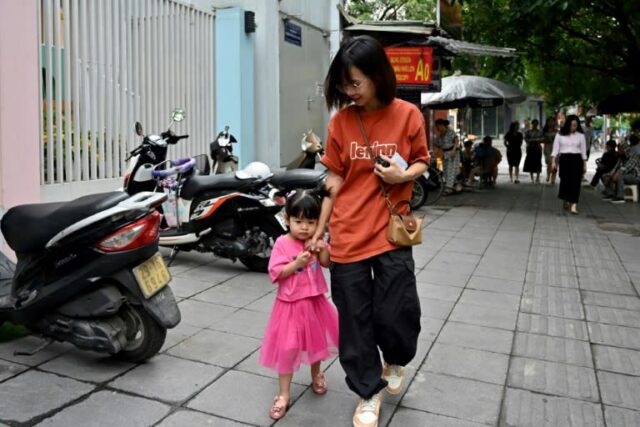
Vietnam is undergoing a profound demographic transition that remains surprisingly underdiscussed: rapid population aging. According to assessments by the United Nations and the World Health Organization, Vietnam is among the fastest-aging countries in Asia. What makes this shift particularly challenging is that it is happening before the country becomes wealthy and before a comprehensive system of long-term elderly care has been fully established. Within just a few decades, the proportion of people aged 60 and above has risen sharply. At the same...

December 2025

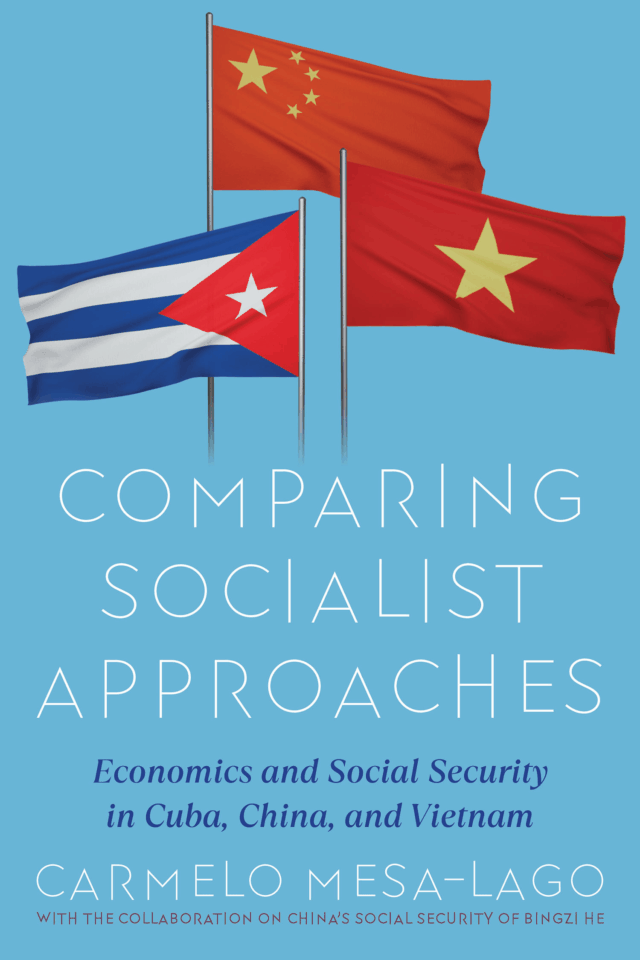
Comparing Socialist Approaches: Economics and Social Security in Cuba, China, and Vietnam

By Carmelo Mesa-Lago In Comparing Socialist Approaches, Carmelo Mesa-Lago examines the two main socialist models across Cuba, China, and Vietnam to compare central planning and socialist markets. Under the Cuban central plan, large state enterprises have been unable to generate economic growth, even with mild structural market reforms and a small controlled private sector. In the Sino-Vietnamese model of a socialist marketplace, dynamic private enterprises of all sizes, together with large state enterprises, operate under a decentralized plan with state regulation and...

July 2025

Vietnam updates insurance law with guidance on lump-sum payouts

It also clarifies the entitlement to retirement and survivorship benefits. Vietnam's Government has issued a decree to provide detailed guidance on several provisions of the Law on Social Insurance related to voluntary social insurance. The new decree, Decree 159/2025/ND-CP, took effect on 1 July, replacing Decree 134/2015/ND-CP. Key areas covered include contribution rules, benefit entitlements, and transitional provisions. Specifically, the decree outlines regulations for individuals who do not qualify for pensions or social allowances due to age or contribution conditions; sets...

June 2025

Vietnam: New social insurance law introduced

To increase long-term participation, Vietnam will introduce new social insurance laws from 1 July. Under the new social insurance law, workers who stop participating in social insurance can claim a lump-sum payout only if they meet specific conditions. The changes aim to increase long-term participation in the social insurance system and encouraging workers to opt for pensions instead of lump-sum payments. These include reaching retirement age with less than 15 years of contributions, emigrating from Vietnam, suffering from serious illnesses such...

Vietnam ends two-child policy as birth rate hits record low

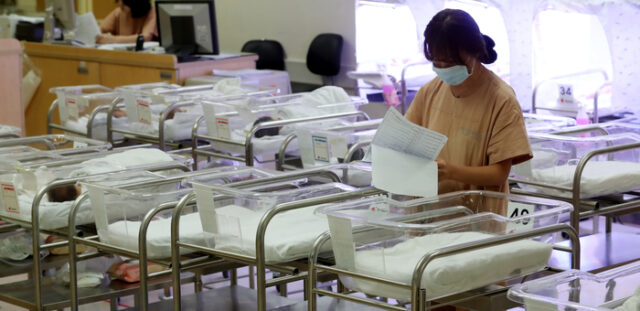
Vietnam abolished a longstanding policy limiting families to having no more than two children as the nation grapples with a declining birth rate – posing a demographic crunch that could undermine future growth prospects. Under the new regulation approved by the National Assembly Standing Committee in Hanoi on June 3, couples will now have the right to decide when to have children, how many to have, and the spacing between births, the official Vietnam News Agency reported. The previous law allowed...

January 2025

Vietnam. Benefits of paying pensions and benefits without using cash

Thuan Duc Commune (Dong Hoi City, Quang Binh) became the first locality in Dong Hoi City to achieve 100% of pensioners and social insurance benefits receiving through bank accounts (ATM cards). In the middle of December 2024 month, with the last cases receiving pensions and social insurance benefits in cash switching to receiving them via e-commerce, Thuan Duc commune officially closed the list of social security payments via ATM cards at a rate of 100%. As one of the people on...

Vietnam. Declining fertility rate predicted to lead to workforce shortage

A prolonged low birth rate is forecast to directly impact the size and structure of the population, leading to consequences such as labourer shortages, rapid population aging, and population decline. Vietnam's replacement fertility rate has dropped to its lowest level in the last 12 years and is projected to continue decreasing in the coming years, according to a report of the General Department of Population under the Ministry of Health (MoH). Currently, 21 cities and provinces in Vietnam have reported low...

February 2024

Vietnam’s workers cash out pensions early ahead of new law

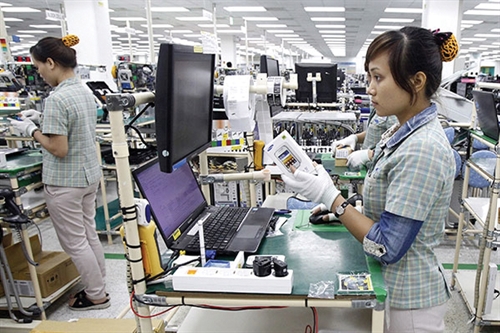
Vietnam is amending its pension laws in an attempt to deter people from abandoning the fund before retirement. Yet in some quarters, the pending change is having the opposite effect. Many workers critical to the world's electronics and clothing supply chains were already taking early payouts to deal with hardships, such as those brought on by the pandemic. Now, more of them are getting jittery after hearing the upcoming law could cut payouts in half, and the communist country is...

January 2024

Solving Vietnam’s social protection sustainability problem

As an economy develops, economic policy and social policy tend to overlap. Reports of long queues of people in Ho Chi Minh City withdrawing their social insurance contributions after losing their jobs during the COVID-19 pandemic is an example. Workers in the formal sector viewed their contributions to a retirement income insurance scheme — known generally as ‘social insurance’ — as their savings to be drawn upon in hard times. This helped boost demand and enhanced short-term macroeconomic management. Yet...

June 2023

Vietnam strives to maintain replacement fertility rate

More people in a country can lead to a larger workforce which will lead to more products being produced and economic growth subsequently. While other countries in the world with a population of 500,000 people or more have only maintained their fertility rate which means that each woman of reproductive age has an average of 2.1 children for 2-10 years, Vietnam is the only country that has so far maintained a golden population ratio and structure for 23 years, from...