January 2022

US. Pandemic’s impact on retirement savings varies by geography, gender and age

Nearly every American has felt the impact of the pandemic on the ability to save for retirement. “Retirement is expensive, and Americans were struggling to save enough money for it long before the pandemic,” according to a report from The Penny Hoarder on its recent survey. “The economic turmoil of the pandemic underscored some critical lessons about investing for the long term, including keeping calm during turbulent markets and using market slumps as an opportunity to invest when prices are...


Private climate investment needs to get intentional about gender and equity — here’s how

By Suzanne Biegel The private capital committed by members of the Glasgow Financial Alliance for Net Zero (GFANZ) has the potential to transform climate investments. Yet climate investment decision-makers don’t reflect the diversity we need for a just transition. They are therefore likely to overlook the women outside of their networks driving many solutions. Read also ESG Investing Is Not Sustainable Investing This is true in both developed and developing markets. Growing research shows that having more women in decision-making positions results...

December 2021

Pension Information and Women’s Awareness

By Paola Profeta, Marta Angelici, Daniela Del Boca, Maria Christina Rossi, Noemi Oggero & Claudia Villosio We explore the role of financial and pension information in increasing women’s knowledge and awareness of their future pension status and interest for pension information. We interview a representative sample of 801 Italian working women to assess their knowledge about pensions, financial issues and their own savings. The responses show that their knowledge and awareness of retirement planning is limited. We then run a...

The Gender Gap in Pensions in the EU

By Fondazione Giacomo Brodolini & Istituto per la Ricerca Sociale Pensions are an important determinant of their beneficiaries’ economic independence. When examining independence for people of working age, we are led naturally to think about the gender pay gap. Focusing on gaps in pensions would be the natural follow-up (or sequel) to an interest in gender pay gaps. Those gaps would reflect the cumulated disadvantages of a career spent in a gender-biased labour market. This is even more true for older...

November 2021

Ireland. ESRI says cheaper childcare and flexible work arrangements will keep women working longer

Cheaper childcare and flexible working is needed to bridge the gender pension gap and keep women in employment for longer, according to a leading think-tank. The Economic Social and Research Institute (ESRI) will tell TDs and Senators today that there is a gender gap of 35pc for retired women compared to retired men. Appearing before the Oireachtas Joint Committee on Social Protection, Dr Claire Keane will tell politicians that cheaper childcare, flexible work arrangements and long-term care services are crucial to...

Gender gap in pensions is real and needs to be fixed

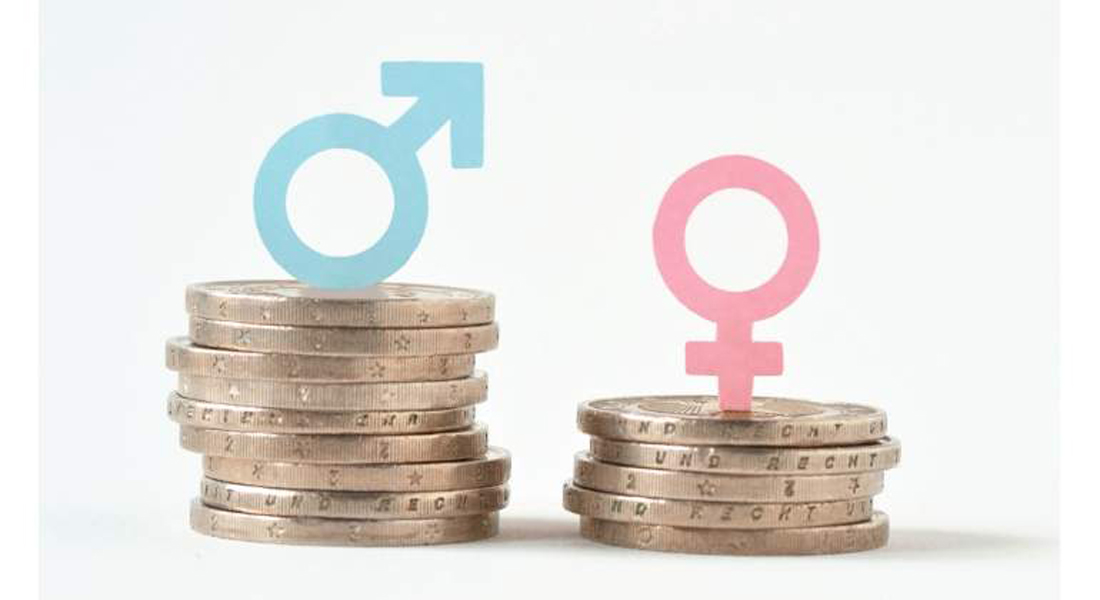
By Margaret Franklin Women get paid less than men. In fact, it’s been well documented that, worldwide, women make only 77 cents for every dollar earned by men. Less well-known, and partially a result of that very pay gap, is the pension gulf between men and women. The gender gap in pensions is a real issue and it needs to be fixed. This year, “The Mercer CFA Institute Global Pension Index Report” explored the gender pension gap that exists in every retirement...

October 2021

Irish pensions system at risk, new study says

The €5 hike in the State pension in last week’s budget, along with delays in increasing retirement age and introducing automatic enrolment into savings plans, all threaten the sustainability of the pensions system over the long term, according to a new study. The Mercer study points to considerable future challenges as the population ages due to the topping up of what is described as a “generous” pensions system, and a failure to address core issues. Also adding to the problem is...

Gender Inequality in Retirement Savings

By Dr David Knox, Michael Rice and Richard Dunn Over the last twenty years, there has been increasing interest in the reasons for the gap between the average male and female retirement balances. This gap, known as the gender pension gap1, is characterised by the fact that, on average, women tend to live on a lower income in retirement than men. It is usually measured by combining all sources of retirement income, whether public or private, pay-as-you-go or funded. In this...

Gender Preferences in Job Vacancies and Workplace Gender Diversity

By David Card, Fabrizio Colella & Rafael Lalive In spring 2005, Austria launched a campaign to inform employers and newspapers that gender preferences in job advertisements were illegal. At the time over 40% of openings on the nation’s largest job-board specified a preferred gender. Over the next year the fraction fell to under 5%. We merge data on filled vacancies to linked employer-employee data to study how the elimination of gender preferences affected hiring and job outcomes. Prior to the...

September 2021

How to fix the gender pension gap

By Azka Ali, David Knox, Yvonne Sonsino The gender pension gap is a problem in most retirement income systems around the world. The causes and compounding effects are related to employment and pension design as well as socio-cultural issues. These issues need fixing at a multi-stakeholder level by HR and pension leaders, governments and women themselves. The gender pension gap exists in virtually every retirement income system around the world. The range is remarkable, with Japan having an almost 50%...