July 2025

Living to 100: As lifespans rise, retirement planning needs a major reset

Longevity is quickly becoming one of the largest unaddressed risks in retirement planning: The number of Americans living to 100 is expected to quadruple by 2054, yet most retirement plans aren't built for 90 or 100-year lifespans. Yet despite this surge in longevity, new research from Nationwide Retirement Institute and The American College of Financial Services reveals a troubling disconnect: While lifespans are rising well into the 90s and beyond, financial planning hasn’t kept pace. As a result, millions face a growing risk...

Some 54% in Germany would work post-retirement to maintain lifestyle

Nearly 75% of people surveyed in Germany believe they will not be able to maintain their current standard of living when they retire, because their pensions will be insufficient and slightly more than half plan to keep working because of that. To maintain their standard of living, 54.3% of the of the 1,163 working respondents queried in a YouGov poll released on Monday, said they would be willing to work beyond the legal retirement age, mostly in part-time and up...

June 2025

Aging and Retirement Issues for LGBTQ+ People

By Society of Actuaries Research Institute The Society of Actuaries (SOA) Research Institute Aging and Retirement Strategic Research Program in collaboration with the Sexuality and Gender Alliance of Actuaries (SAGAA) is pleased to present this collection of essays that explore aging and retirement issues for LGBTQ+ people. This collection continues the Program’s dedicated effort to further advance the SOA’s organization-wide Diversity, Equity and Inclusion initiative. This includes its 2021 companion essay collection on aging and retirement issues for people of different races and ethnicities. Our...

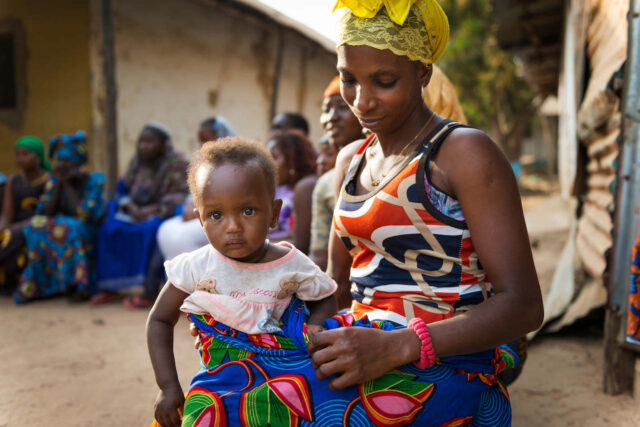
Enabling Entrepreneurship and Job Creation Through Social Protection in the Democratic Republic of Congo (DRC)

How can social protection programs in the Democratic Republic of Congo (DRC) be transformed into powerful engines for entrepreneurship, job creation, and income diversification? This question is explored here by examining innovative social protection initiatives through real-life success stories that are driving inclusive and sustainable economic growth across the country. The DRC stands at a critical juncture today, facing rapid demographic growth and severe economic challenges. The population is getting close to 100 million people, about 73.5% of whom live...

How Employers Can Tackle Shifting Demographics and Retirement Needs

A host of demographic and societal shifts — ranging from increased longevity of the workforce to challenges faced by younger generations in achieving financial milestones — have profound implications for how employers manage their talent and deliver financial and retirement benefits. With talent retention and workforce planning at center stage, employers can pursue several paths to help secure the retirement needs of their plan population while managing volatility through market cycles. Diana Schneider, Head of Institutional Solutions at MassMutual,...

The number of working pensioners in Germany has reached a record high.

In Germany, the number of working-age pensioners is increasing – over 1.1 million people aged 67 and older are working, which is 51,000 more than last year. This is a record figure in the country's history. Most pensioners who continue to work do so due to financial necessity, as pensions prove to be insufficient. Therefore, the authorities have started to encourage active work among pensioners by offering them financial bonuses and additional earning opportunities. BSW party leader Sahra Wagenknecht is astonished:...

May 2025

The Early Retirement Gap: Does Job Satisfaction Matter Less for the Self-Employed?

By Raquel Justo, Adrian Merida & Juan A. Sanchis-Llopis Understanding the drivers of early retirement is increasingly important in the context of aging populations and growing concerns over pension sustainability. While extensive research has examined the retirement behavior of paid employees, the self-employed, who operate under distinct work arrangements and institutional contexts, remain comparatively understudied. This work examines whether job satisfaction influences actual retirement behavior differently for self-employed individuals and paid employees. Leveraging longitudinal data from the Survey of Health, Ageing...

Jobs in MENA: How transforming pension systems can boost inclusion, equity, and prosperity

Pension systems globally have faced challenges in fulfilling their commitment to providing adequate financial security for individuals in their old age. In developing countries, pension coverage is often low, and benefits frequently fall below the poverty line. The design of the pensions systems, among other factors, tend to exacerbate informality, with only a fraction of formal workers receiving pensions. The low coverage and the little redistribution leads low wage workers to end up subsidizing high wage workers. The way...

European semester thematic factsheet adequacy and sustainability of pensions

Pensions are the main source of income for older people in Europe, coming mostly from 'pay-as-you-go' public schemes. Retired people drawing a pension are a significant and — due to demographic ageing — a growing part of the EU population (about 124 million, or a quarter of the total population1). European pension systems are facing the dual challenge of remaining financially sustainable and being able to provide Europeans with an adequate income in retirement. The key purpose of pension...

As Rural Populations Grow Older, Communities Increasingly Rely on Smaller Labor Force

Rural populations are shifting older as people live longer, birth rates decline, younger people move out of rural areas, and older people decide to spend their retirement years in rural settings. By the end of 2025, the youngest of the Baby Boom generation (born between 1946 and 1964)—a large generation in total numbers—will have turned 61 and the oldest reached age 79, meaning that many are now in or looking at retirement. Meanwhile, working-age (15–64 years) populations in rural counties...