April 2023

Incorporating Environmental, Social and Governance (ESG) Factors into fixed income investment

By The World Bank Group  A growing body of research shows that Environmental, Social and Governance (ESG) factors are material credit risk for fixed income investors. The evidence suggests that incorporating ESG into fixed income investing should be part of the overall credit risk analysis and should contribute to more stable financial returns. Its also dispels the myth that incorporating ESG means having to sacrifice financial returns. ESG investing is increasingly becoming part of the mainstream investment process for fixed income investors, as opposed...

Reforming against the demographic clock

By Allianz Research  The Covid-19 pandemic erased life-expectancy gains of almost a decade, pushing population aging and pension reform into the background. In fact, to alleviate the financial burden on private households and companies, governments not only put together aid packages worth billions of euros that drove up national debt, but also postponed already agreed upon reform measures, lowered contribution rates and allowed early withdrawals from retirement plans. As a result, the build-up of future pension entitlements and retirement savings slowed,...

Retirement Savings Behaviours and Covid-19: Evidence from Thailand

By Paul Gerrans, Sunatharee Lhaopadchan & Sirimon Treepongkaruna This paper utilises administrative data from members of the Thai Government Pension Fund to examine voluntary contributions and investment plan change. We find low overall incidence of both behaviours which increased only modestly during the onset of COVID-19. While the major finding is that members are in the minority if they engage in the behaviour regardless of gender, salary, balance, or experience in the fund, the relative probability varies systematically by member...

Shocks to Occupational Pensions and Household Savings

By Francesco Caloia, Mauro Mastrogiacomo & Irene Simonetti This paper studies the saving response of households to shocks in the capital position of their pension fund. Using survey panel data matched to supervisory data of Dutch occupational pension funds for a period that involved three major economic crises, we provide evidence of an increase in savings driven by a worsening of the financial position of pension funds. The identification strategy exploits cross-sectional and time variations in the funding ratios of...

Management of Retirement Funds by Republican vs. Democrat States: Understanding the Differences

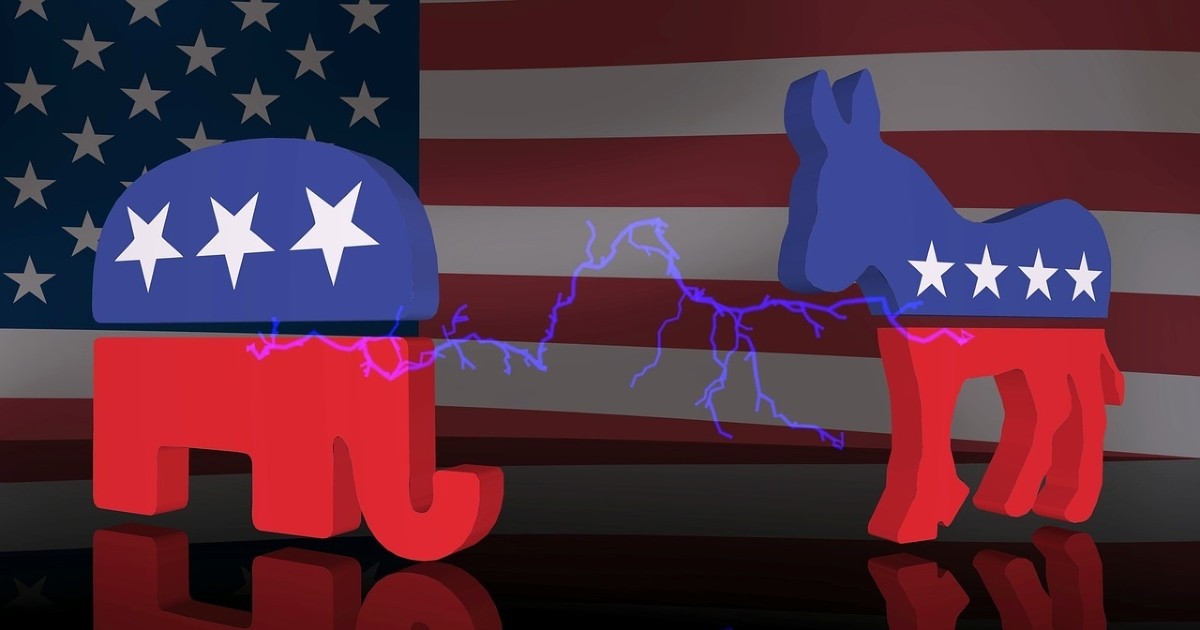
By Mustafa O. Caglayan, Edward R. Lawrence & Robinson Reyes-Peña As most of the state pensions in the USA deal with their respective funding crisis, we compare the management approaches undertaken by funds located in the states that are governed by Republicans vis-à-vis funds that are located in states governed by Democrats. We find that pension funds located in states governed by Republicans display a lower funding ratio compared to the pension funds located in states governed by Democrats. The...

Colombia. Colpensiones en cifras Marzo 2023

Colpensiones presenta las cifras más relevantes en cuanto a la administración del régimen público de pensiones (Régimen de Prima Media – RPM) y del programa BEPS (Beneficios Económicos Periódicos). El boletín puede descargarse o visualizarse totalmente en línea, en formato pdf. Esta Administradora espera que la información sea de gran utilidad en términos de divulgación y consulta con fines informativos, académicos e investigativos. Personas afiliadas Afiliarse o trasladarse a Colpensiones es posible, siempre que se cumplan los requisitos. Marzo de...

Perú. Pensión mínima en las AFP aceleraría salida de afiliados de la ONP

El Ministerio de Economía y Finanzas (MEF) reglamentó la ley que crea las pensiones mínimas en el Sistema Privado de Pensiones (Ley n° 31670), cuyo plazo para publicarse ya se había vencido. A raíz de ello, cualquier afiliado activo vinculado a las AFP —no contempla a los ya jubilados— podrá acogerse voluntariamente a una Pensión Mínima Objetivo (PMO), la cual será fijada por el ciudadano, pero no debe ser menor a la canasta básica de consumo establecida por el...

80% of Older Americans Cannot Pay for Long-Term Care or Withstand a Financial Shock, New Study Shows

A new analysis by the National Council on Aging (NCOA) and the LeadingAge LTSS Center @ UMass Boston finds that 80% of older Americans (47 million) continue to be unable to sustain a financial shock such as needing to pay for long-term care services and supports (LTSS) or the loss of income due to divorce or widowhood. The 80%: The Continued Toll of Financial Insecurity in Retirement looks at the total net value of all assets—housing, retirement accounts, income, and...

EU Climate Risk Regulation Gets Real for the Financial Industry

Political battle lines in the U.S. may have hardened — especially when it comes to applying sustainability standards to public pension investing — but in the EU, things have moved faster. In Europe, climate risk is now accepted as one of the biggest macroeconomic forces impacting economic and business sustainability, and as a result, investment firms are actively grappling with critical decisions on sustainability compliance — including risk measurement, reporting and portfolio composition. Over the past several years, legislators have...

Thailand: Pensions and Farmers’ Subsidies Top Election Agenda

With the kingdom’s population ageing and the debt-ridden farmers becoming restless, Thailand’s political parties are gearing up for the May 14 elections offering populist policies to woo the votes of both sectors of the population. Over 52 million people are eligible to vote for electing 500 members to the House of Representatives. With campaigning for the election gathering momentum since December 2022, Thai political parties have announced a range of attractive policies to win their votes. These include subsidies for...