October 2024

Savings Goals Matter – Cognitive Constraints, Retirement Planning, and Downstream Economic Behaviors

By Zihan Ye, Thomas Post, Xiaopeng Zou & Shenglan Chen We study how cognitive constraints relate to each distinct step of the planning and execution process for retirement, that is, individuals’ propensity to plan, savings goals set, and economic outcomes (wealth accumulation and portfolio choice). We find that different cognitive constraints play distinct roles: Higher advanced financial literacy (and quantitative reasoning ability) predicts a greater propensity to plan, while higher basic financial literacy and verbal cognition predict setting higher savings...

The Sustainable Investment Report 2024

By Dan Wills We are delighted to present the latest in our IFA Annual Report Series; The Sustainable Investment Report 2024. There are many facets of sustainability and companies are having to change their processes and behaviours to work towards our sustainable future. Researched and written by leading Compliance Consultant Tony Catt, this report is intended to provide a snapshot of the current situation and thinking from across the industry, in relation to the matter of sustainability in investment solutions. Get the report...

Reverse Mortgages, Financial Inclusion, and Economic Development: Potential Benefit and Risks

By Peter Knaack, Margaret Miller & Fiona Stewart This paper examines the state of reverse mortgage markets in selected countries around the world and considers the potential benefits and risks of these products from a financial inclusion and economic benefit standpoint. Despite potentially increasing demand from aging societies—combined with limited pension income—a series of market failures constrain supply and demand. The paper discusses a series of market failures on the supply side, such as adverse selection, moral hazard, and the costly...

Adaptable, pero no por diseño: Transferencias monetarias en América Latina y el Caribe antes, durante y después de la pandemia del COVID-19

Por Marco Stampini, Pablo Ibarrarán, Carolina Rivas & Marcos Robles La crisis socioeconómica asociada con la pandemia volvió a colocar a los programas de transferencias monetarias en la parte superior de la agenda política. La crisis reveló que los sistemas de apoyo de ingresos en la región de América Latina y el Caribe (ALC) eran fundamentales e insuficientes. En este documento, presentamos estimaciones novedosas de la cobertura y la distribución de beneficiarios de todas las transferencias monetarias no contributivas antes...

Personas con discapacidad e inclusión laboral en América Latina y el Caribe: Principales desafíos de los sistemas de protección social

Por María Fernanda Bietti En este documento se analizan los principales retos de los sistemas de protección social en América Latina y el Caribe en relación con la garantía de los derechos de las personas con discapacidad, con un especial enfoque en materia de inclusión laboral. Entre las diversas problemáticas que impiden el cumplimiento regional de los compromisos de inclusión asumidos a nivel internacional, en particular de los que surgen de la Convención sobre los Derechos de las Personas con...

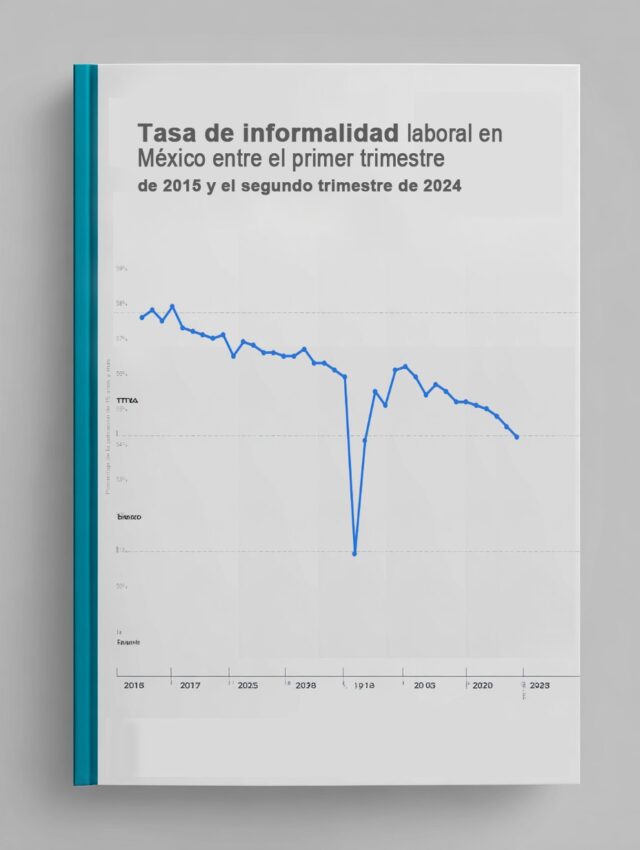
Regímenes de pensiones para trabajadores independientes o informales: el caso de Argentina

Por Rafael Rofman La política de pensiones de la Argentina puede caracterizarse, desde mediados del siglo pasado, como un modelo contributivo universalista en lo normativo, complementado con esquemas o reglas excepcionales para responder a los desafíos generados por la exclusión de buena parte de la población de los mercados formales de empleo. En la actualidad los trabajadores independientes tienen la obligación de participar en el sistema previsional a través de distintos canales dependiendo de su escala de producción, actividad y provincia...

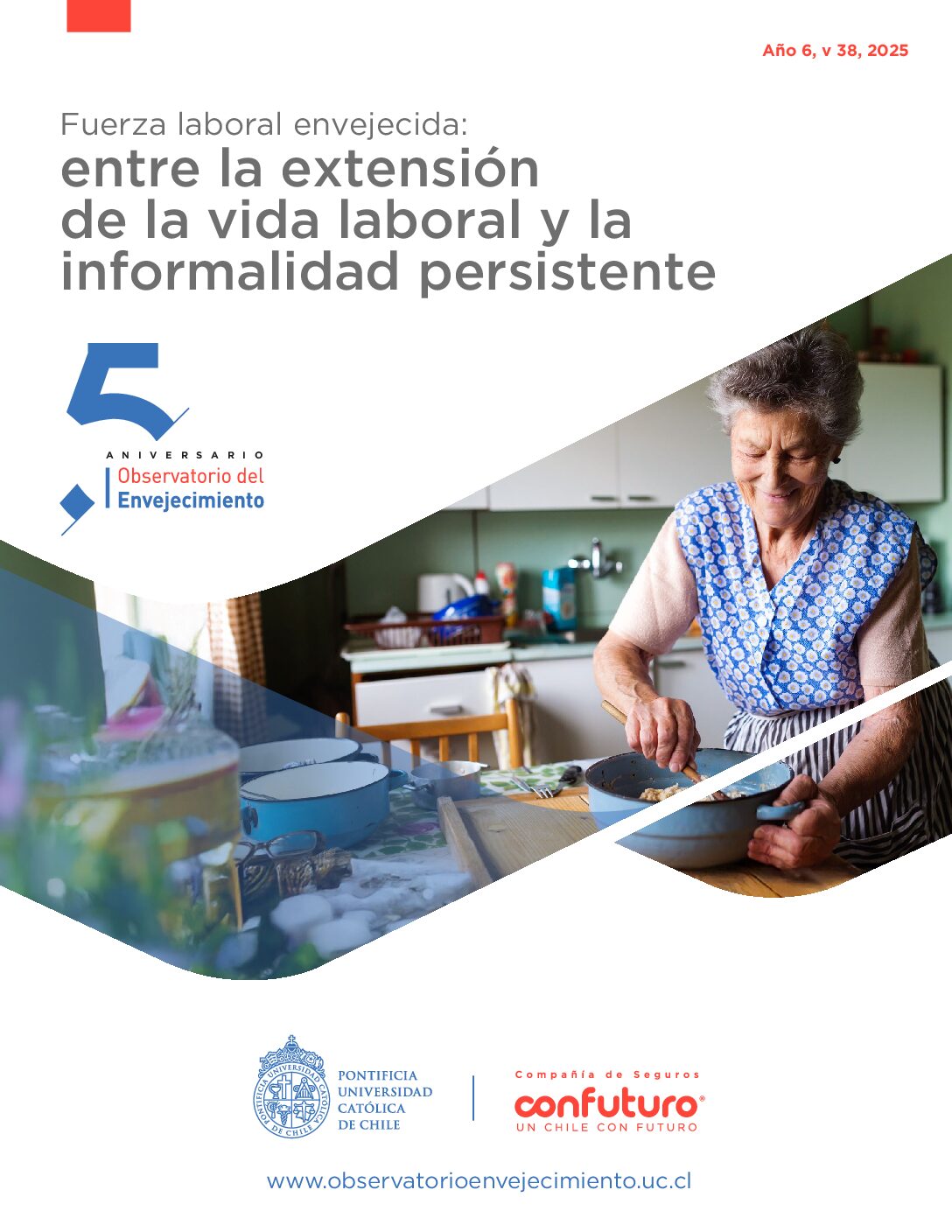
El envejecimiento poblacional en América Latina: Aportes para el delineamiento de políticas públicas

Por Claudia Arias, Corina Soliverez & Nahuel Bozzi El envejecimiento de la población es considerado una de las transformaciones sociales más significativas del siglo XXI (OMS, 2017). Dado que en la vejez es más probable la presencia de fragilidad o dependencia, el estudio de la tríada envejecimiento, cuidado y derechos se transforma en una temática nodal. En este marco, la Convención Interamericana para la Protección de los Derechos Humanos de los Adultos Mayores es la brújula que orienta nuestra labor....

September 2024

Pension Coverage and Informal Sector Workers: International Experiences

By Yu-Wei Hu & Fiona Stewart  Pension reform around the world in recent decades has focused mainly on the formal sector. Consequently, many of those working in the informal sector have been left out of structured pension arrangements, particularly in developing countries – a serious problem given this group are often low income earners, vulnerable to economic volatility and change. However, since the turn of the millennium, efforts in a range of countries have increasingly highlighted improving pension coverage for...

Pension scheme assets – how they are invested and how and why they change over time

By The Pensions Policy Intitute We know both ‘quite a lot’ and ‘not enough’ about the assets that back current and future retirement incomes. Quite a lot because there are several sources of data that map pension fund assets and the way in which they are invested. Not enough because there are gaps in our knowledge and a multiplicity of data sets that classify assets in slightly different ways. The timing of different reports can also create difficulty mapping assets...

Revisiting Sample Bias in the Uk’s Annual Survey of Hours and Earnings, with Implications for Estimates of Low Pay and the Bite of the National Living Wage

By John Forth, Alex Bryson,Van Phan, Felix Ritchie, Carl Singleton, Lucy Stokes & Damian Whittard The Annual Survey of Hours and Earnings (ASHE) is based on an annual one per cent sample of employee jobs and provides many of the UK's official earnings statistics. These statistics are generated using official weights designed to make the achieved sample in each year representative of the population of employee jobs in Britain by gender, age, occupation, and region. However, we find that jobs...