May 2025

A Canadian Approach to Rethinking Technology Design for Aging Populations

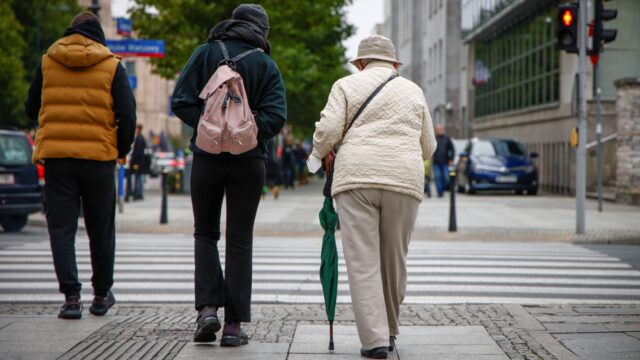
By Milena Head Older adults are the fastest-growing segment of the population. In Canada, one in five people are 65 or older, and by 2065, this will increase to more than one in four. Yet, despite their growing numbers, older adults often face exclusion and marginalization in technology design. This digital divide has significant consequences, leading to isolation, loneliness, frustration, and poor health outcomes, particularly when we intersect factors like lower socioeconomic status, race, gender, and immigrant status. Source: @SSRN
The Longevity Story: Opportunities and Considerations

By World Governments Summit   This report delves into the concept of longevity, highlighting how advancements in medical technology, sanitation, preventive care, and lifestyle choices have significantly increased human lifespans—from an average of 45 years in the 1950s to over 73 years today. While early efforts to extend life overlooked aging itself, recent focus on understanding and potentially reversing the aging process has fueled the growth of the longevity industry. Organizations like Altos Labs, Hevolution Foundation, and Pure Health are pioneering...

The vision of younger-seniors-based elderly care in rural China: based on population aging predictions from 2020 to 2050

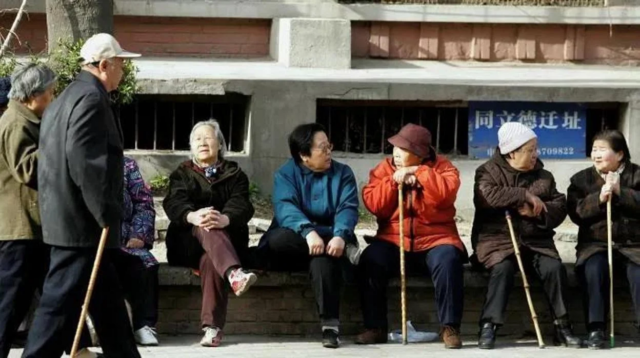
By Haojian Dou, Cheng Wang, Guishan Cheng, Xiaoyan Lei & Shuang Xu  Population aging is an irreversible and challenging global trend. Factors that worsen it in rural areas include the outflow of young adults, lack of medical resources, and uneven economic development. Based on projections of rural population aging trends in China from 2020 to 2050, this article explores the growth trends and spatial heterogeneity of elderly populations in rural areas. The results indicate that from 2020 to 2050, the...

April 2025

Older Workers Face New Risks because of the COVID-19 Recession

By Siavash Radpour, Aida Farmand & Teresa Ghilarducci For the large cohort of older workers, the significant difference between the COVID-19 recession and previous ones is the combined effect of the economic recession and the health risks of the COVID-19 outbreak. Older workers are facing the high health risks of working during a pandemic, on the one hand, as well as the risk of losing their jobs, on the other hand, which can lead to significantly lower wages in the...

Population Aging, Digital Financial Inclusion, Development Strategies and Economic Resilience

By Dongsong Cai, Ling Long, WanHuan Cai & Xin Wang As China enters into a deeply aging society, China's demographic development has come to an unprecedented stage of great transition, which also has an impact on economic resilience. Based on the perspective of new structural economics, the relationship between population aging and economic resilience is explored. Meanwhile, empirical tests using provincial panel data find that, firstly, there is a positive effect of population aging on economic resilience, i.e., population aging...

March 2025

Parental Leave Policies, Fertility, and Labor Supply

By Daisoon Kim & Minchul Yum South Korea has been facing persistently low fertility rates and large gender gaps in labor supply. In response, the government has expanded parental leave benefits to address these challenges. To evaluate the effectiveness of these policies, we develop a quantitative, heterogeneous-household life-cycle model in which couples make joint decisions on careers, labor supply, savings, and child-related choices, including fertility, childcare, and parental leave take-up. The model is calibrated to recent Korean cohorts to replicate...

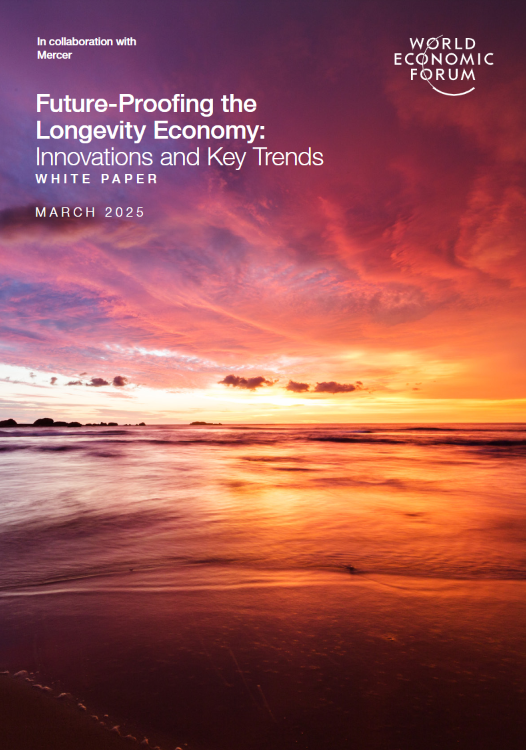
Future-Proofing the Longevity Economy: Innovations and Key Trends

By World Economic Forum The world is at a pivotal moment in its demographic transition, with more than one in four people now living in countries where the population has peaked. This shift, coupled with increasing life expectancy and declining birth rates, presents both urgent challenges and unprecedented opportunities. Building on the Longevity Economy Principles, this white paper synthesizes five key trends shaping the future of the longevity economy: building resilient public retirement systems; transitioning from savings accumulation to decumulation; enhancing the...

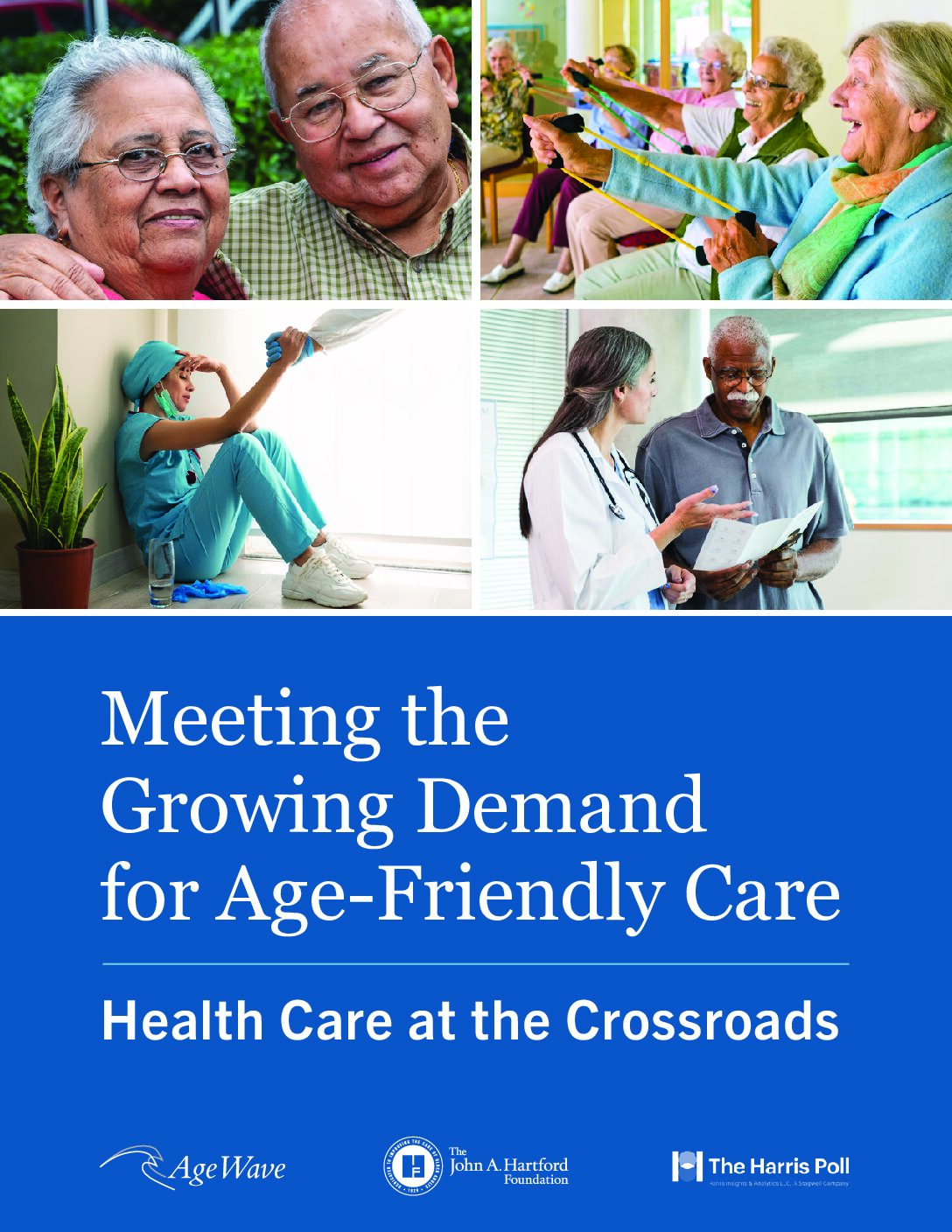
Meeting the Growing Demand for Age-Friendly Care: Health Care at the Crossroads

By The John A. Hartford Foundation America is aging rapidly. Those age 65 and older are the fastest-growing segment of the population. From 2025-2050, the number of adults 65+ will increase by 30%, from 63 million to 82 million, accounting for nearly one quarter (23%) of the total population by mid-century. And the “oldest old” ranks are growing even faster: the number of adults age 85 and older is projected to more than double between 2025 and 2050, from 7 million...

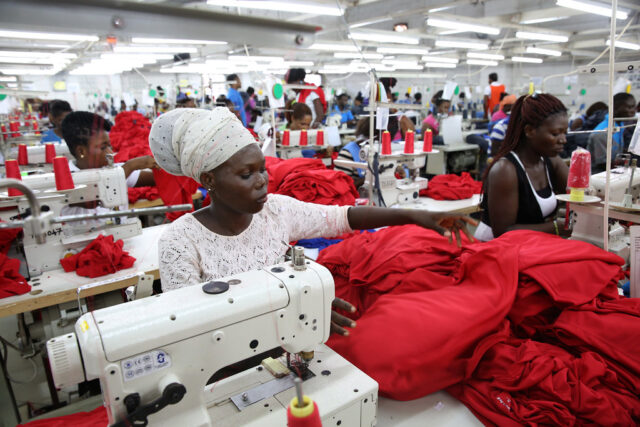
The Causal Influence of Pension on the Participation of Older Workers in the Ghanaian Labour Market

By George Domfe, Kwadwo Opoku & Antoinette Tsiboe-Darko Population ageing has stirred up policy discourse on pension coverage in developing economies. While in most of these countries, a smaller proportion of older persons receive pensions in the form of regular payments from the state, a considerable proportion of them engage in active work to maintain their livelihood. These descriptions are typically true of Ghana. However, it remains unclear in the Ghanaian literature whether the absence of a pension is a...

February 2025

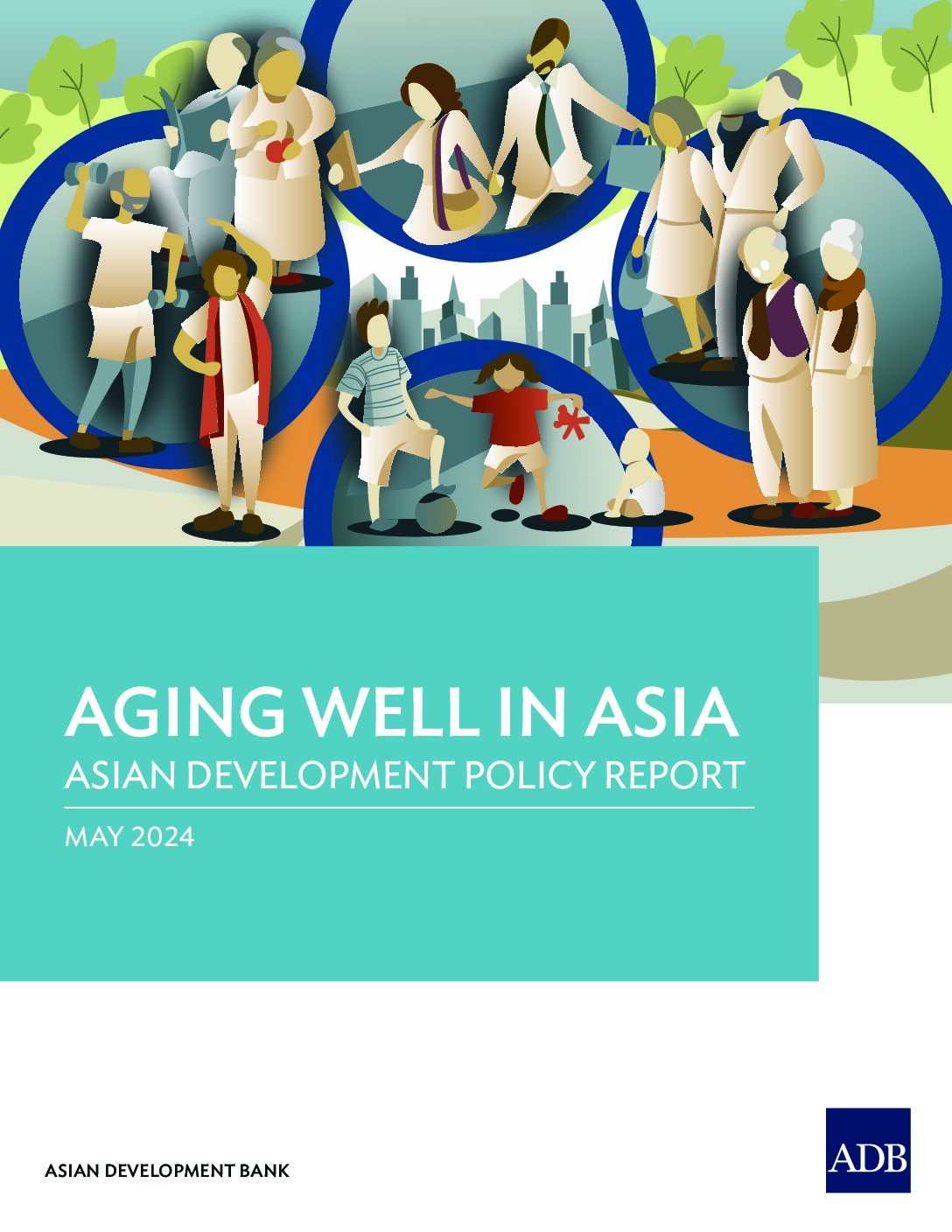
Aging Well in Asia: Asian Development Policy Report

By Asian Development Bank The report explores four linked dimensions of well-being: health, productive work, economic security, and social engagement. It highlights the need for lifelong investment in human capital, a life-cycle approach to intervention for age-specific needs, and population-wide outreach to people of all ages. It provides concrete recommendations in the policy domains of health, employment and retirement, pensions, long-term care, and community-level support. Get the report here