March 2025

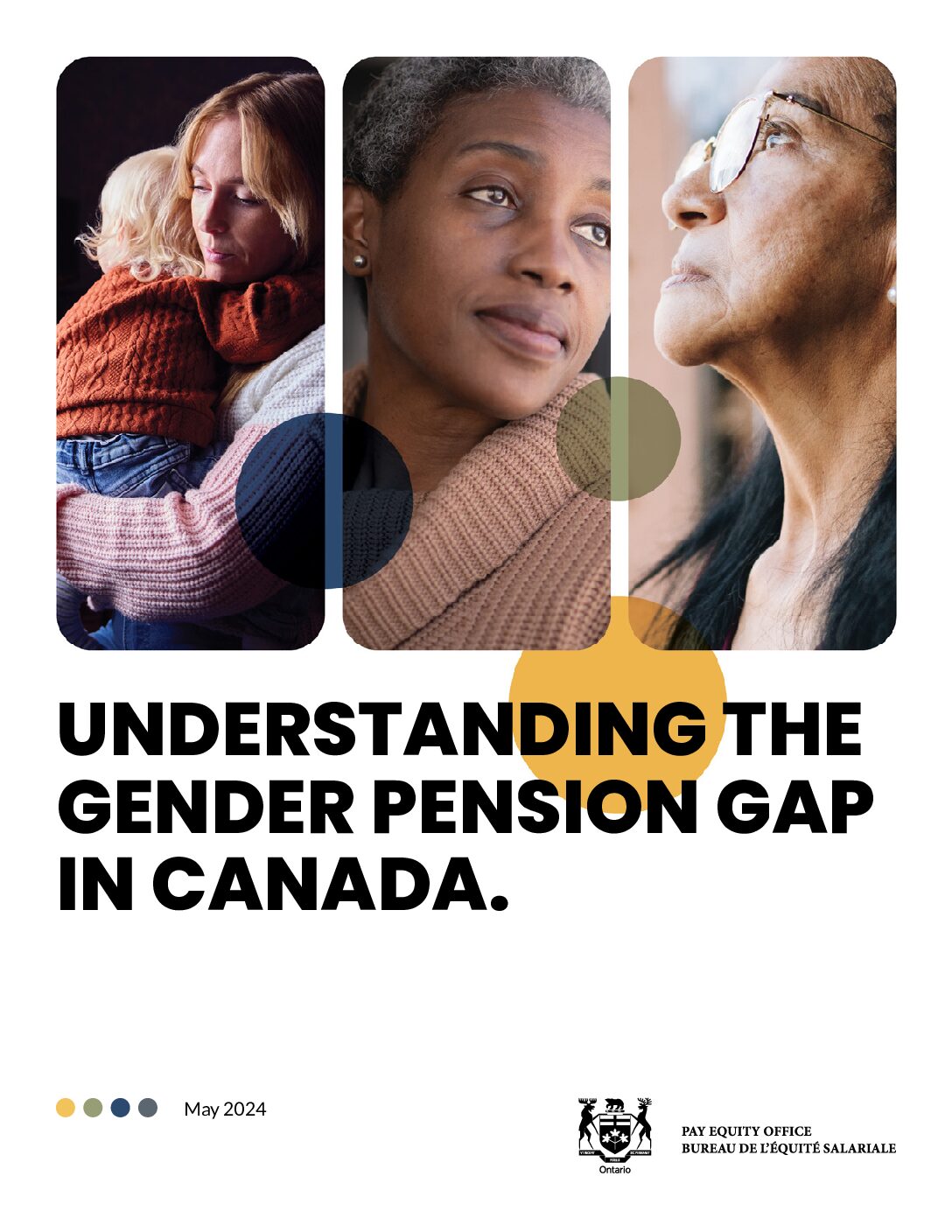
Understanding the Gender Pension Gap in Canada

By Elizabeth Shilton The gender pension gap in Canada measures the gender difference in combined income from Canada’s 3-pillar system of retirement income instruments: Old Age Security/Guaranteed Income Supplement, Canada Pension Plan/ Quebec Pension Plan and private pensions (including RRSP/RRIF income). In 1976 - the first year for which we have meaningful statistics – that gap stood at 15%, and it has stubbornly refused to close despite substantial increases in overall retirement income and massive advances in women’s labour market engagement...
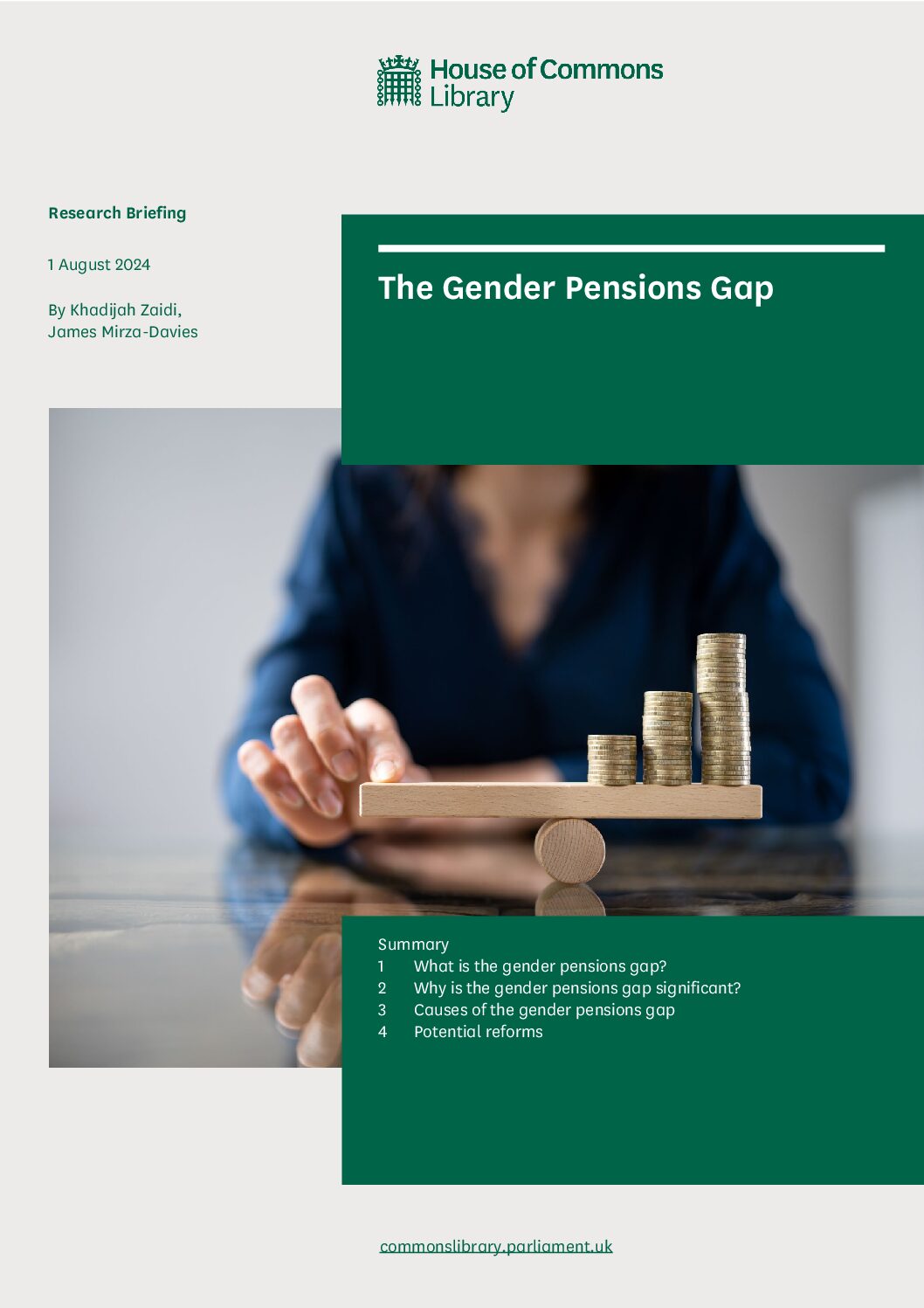
The Gender Pensions Gap

By Khadijah Zaidi & James Mirza-Davies The gender pensions gap refers to differences in retirement income or retirement wealth for men and women, and it can be measured in different ways. The gender pensions gap is mainly caused by the gender pay gap. There are however additional causal factors relating specifically to pensions, such as historic state pension rules, the impact of auto-enrolment rules on different types of workers, and how divorce settlements treat pensions. The Work and Pensions Committee...

February 2025

2025 Employee Sentiment Study

By AON Successful organizations recognize the critical importance of their people and what is valuable to them. Investing in their potential, aspirations and resilience, and providing them with choice and flexibility that caters to their diverse needs is not just a necessity — it is the foundation for delivering long-term sustainable growth. This study is based on findings from Aon’s Employee Sentiment survey and insights from Aon’s team of human capital specialists. It equips senior business, human resources, and people leaders...

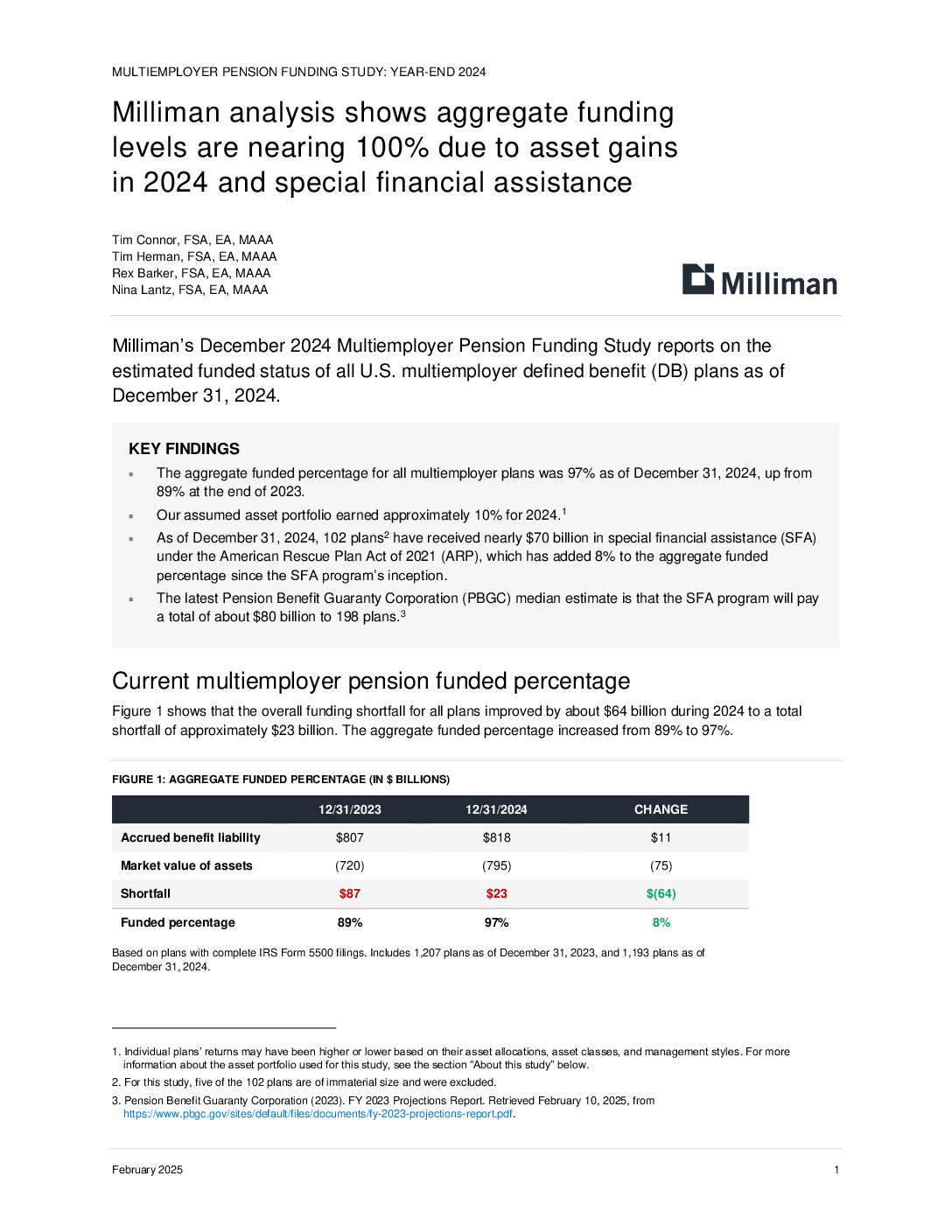
Multiemployer Pension Funding Study: Year-end 2024

By Tim Connor,Timothy Herman,Rex Barker & Nina Lantz The amounts in Figure 1 reflect the $70 billion in SFA granted to 97 plans that received the funds by December 31, 2024, including $16 billion paid during 2024. Without the SFA program, the aggregate funded percentage would be approximately 89%. The liabilities in Figure 1 are projected using discount rates equal to each plan’s actuarial assumed return on assets. Assumed returns generally fall between 6.0% and 8.0%, with a weighted average interest...

The Economic History of American Inequality: New Evidence and Perspectives

By Martha J. Bailey, Leah Platt Boustan & William J. Collins This volume refines and extends the economic history literature on economic inequality in the United States. Economic inequality manifests itself on various dimensions, including access to resources and to economic security, as well as access to education and opportunities for migration, marriage and other important life decisions. Measuring inequality and studying its variation over time and in response to economic shocks such as recessions and wars deepen our understanding of how the...

Social Security Programs and Retirement around the World: The Effects of Reforms on Retirement Behavior

By Axel Börsch-Supan & Courtney Coile Employment among older men and women has increased dramatically in recent years, reversing a downward trend in the closing decades of the twentieth century. Social Security Programs and Retirement around the World examines how changing retirement incentives have reshaped labor force participation trends among older workers. The chapters feature country-specific analyses for Belgium, Canada, Denmark, France, Germany, Italy, Japan, Netherlands, Spain, Sweden, the United Kingdom, and the United States. They find that while there is significant heterogeneity...

2025 Asset Allocation Return & Risk Assumptions

By Wilshire Wilshire’s long-term inflation forecast is 2.35%, which is up 10 basis points from last year’s assumption. Our practice since 2003 has been to derive our inflation forecast by observing the market’s breakeven inflation rate – the spread between the yield on a 10-year Treasury and the real yield on a similar maturity Treasury Inflation Protected Security (TIPS). During periods of market stress, TIPS pricing may be affected by liquidity demands or a high level of inflation uncertainty, as...

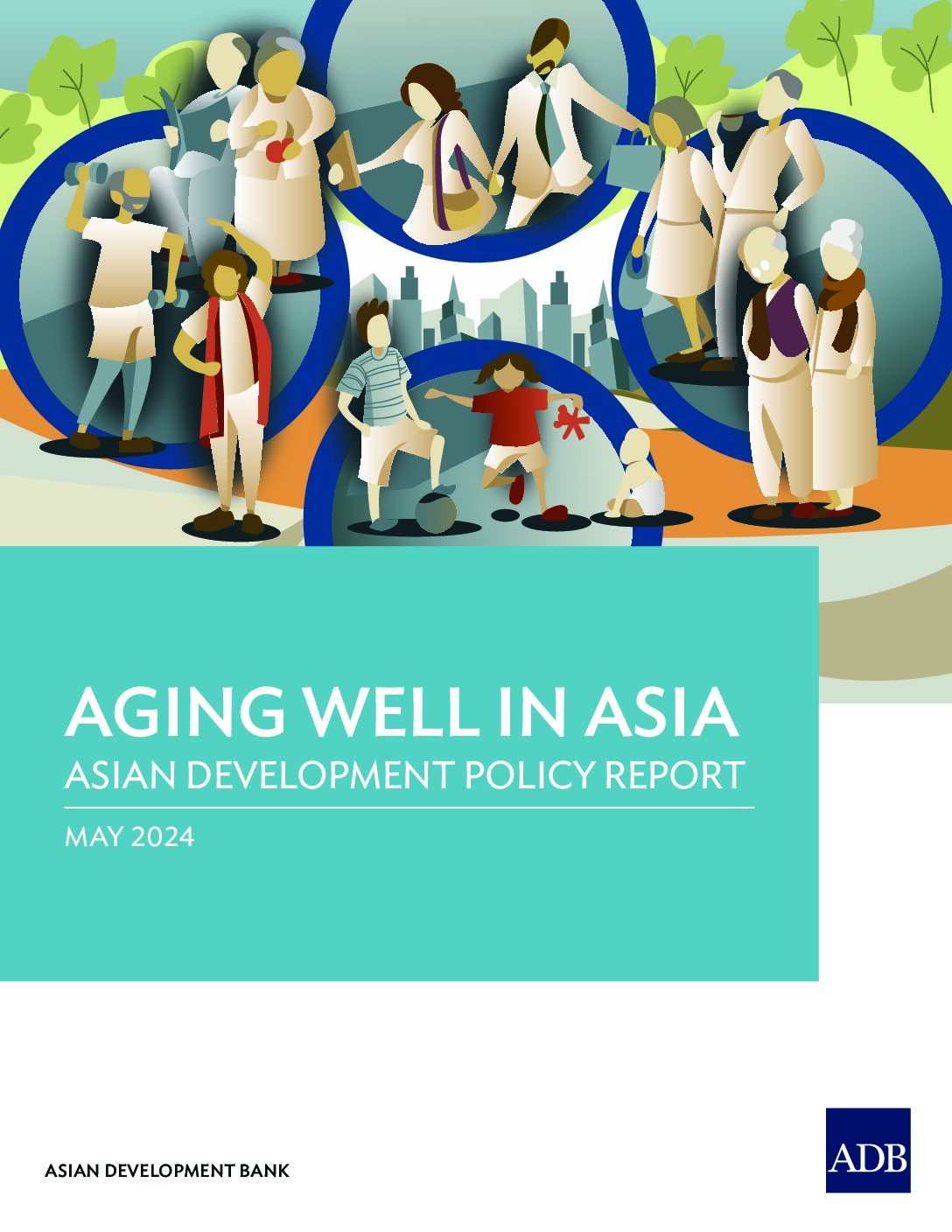
Aging Well in Asia: Asian Development Policy Report

By Asian Development Bank The report explores four linked dimensions of well-being: health, productive work, economic security, and social engagement. It highlights the need for lifelong investment in human capital, a life-cycle approach to intervention for age-specific needs, and population-wide outreach to people of all ages. It provides concrete recommendations in the policy domains of health, employment and retirement, pensions, long-term care, and community-level support. Get the report here 

January 2025

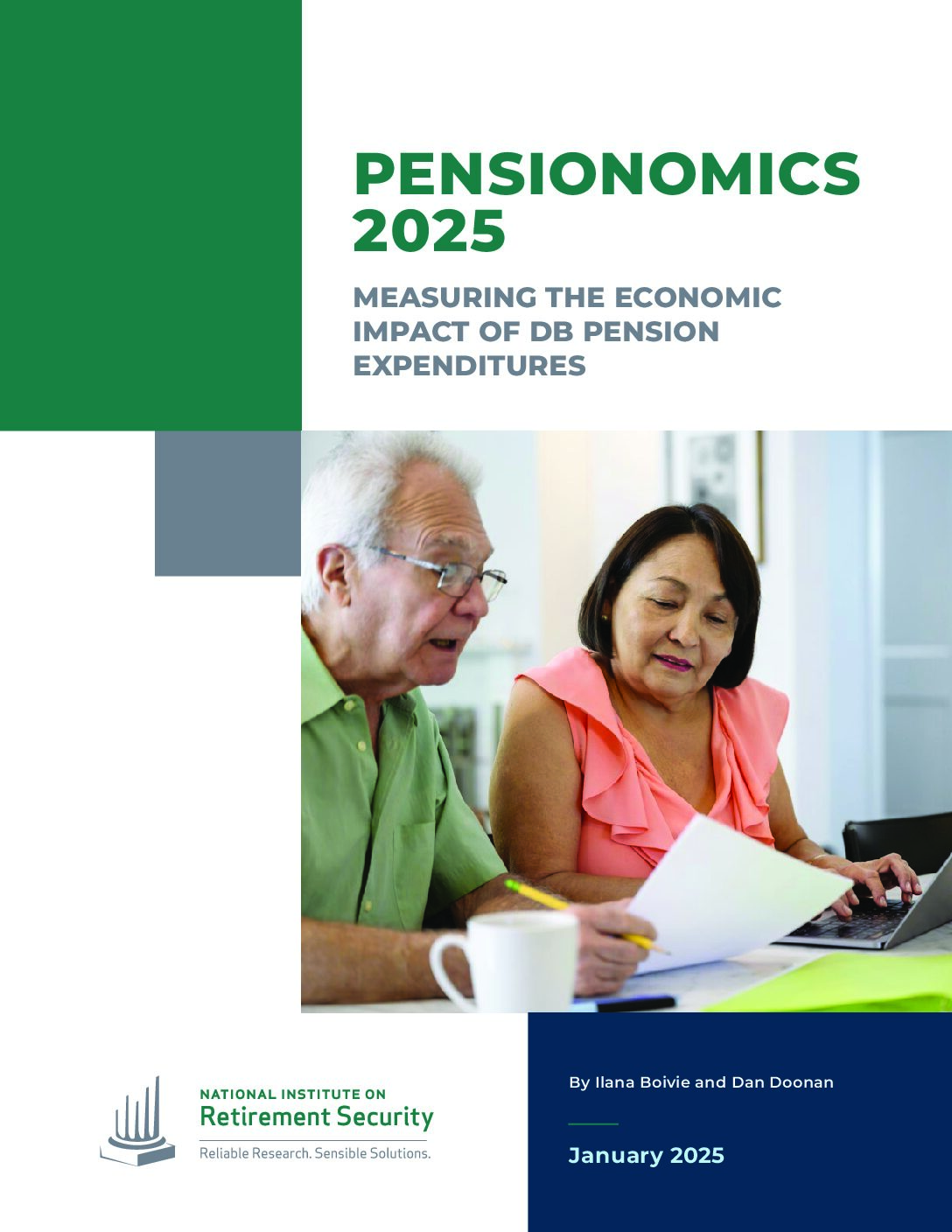
NIRS’ Pensionomics 2025 Report

By Andrew Clark Earlier this month, the National Institute on Retirement Security (NIRS) released its bi-annual Pensionomics report, which details how spending from defined-benefit pensions boosts economies in communities nationwide and continues to be a reliable economic driver for millions of people. The report examines the impact of pensions on local economies nationwide by calculating the benefits paid to retirees and the subsequent spending generated by these benefits. This analysis includes tax revenue and local expenditures, which stimulate the broader economy, leading...

Allianz Global Pension Report 2025: Time to walk the talk

By Allianz Research  Allianz published the third edition of its “Global Pension Report”, which analyzes 71 pension systems around the globe with the help of the company's own “Allianz Pension Index” (API). The indicator consists of three pillars: analysis of the demographic and fiscal situation, and an assessment of the sustainability (e.g. financing and contribution periods) and adequacy (e.g. coverage and pension levels) of the pension system. A total of 40 parameters are taken into account, with scores between 1...