April 2025

Tariffs, Tokens, and Turmoil: The Market Fallout from Trump’s Policy Uncertainty

By David Krause This paper investigates the financial consequences of economic policy shifts following President Trump's second inauguration in January 2025. Using empirical data from April 2024 through April 7, 2025, this study assesses asset performance across U.S. equities, cryptocurrencies, gold, and bonds. The administration's aggressive trade protectionism, ambiguous digital asset directives, and deregulatory approach to artificial intelligence have triggered heightened market volatility, diminished investor confidence, and a rotation toward defensive assets. Indexed returns reveal that traditional safe havens like...
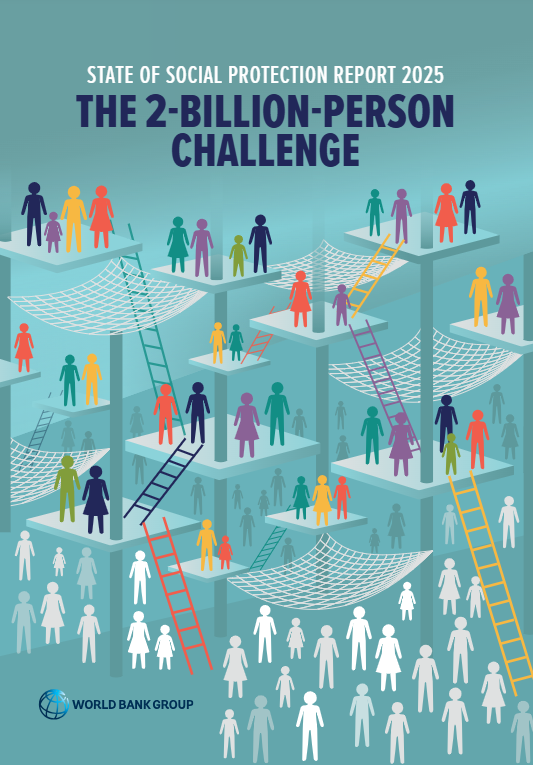

State of Social Protection Report 2025: The 2-Billion-Person Challenge

By The World Bank   Today, more people have access to social protection now than at any point in history. Over the last decade, 4.7 billion people across low- and middle-income countries gained access to social protection. However, critical gaps remain. Two billion people in those countries remain uncovered or inadequately covered by social protection. The State of Social Protection Report 2025: The 2-Billion-Person Challenge documents advances and challenges to strengthening social protection and labor systems across low- and middle-income countries and...

Conversion in the Act on Future Pensions, sailing to safe harbour?

By Hans van Meerten & Adrienn Pásztor This article explores the transformation of rights and entitlements during the transition to a new Dutch pension system within the second pillar for occupational pension schemes. It provides an examination of various national legal challenges such as the contractual basis and retrospective nature of this conversion process, alongside relevant aspects of European law including property rights and effective legal protection under the European Convention on Human Rights (ECHR) and the Charter of Fundamental...

March 2025

Assessing the Permanent Income Hypothesis in Poor Areas: The Case of Rural Pensions in Brazil

By Bruno Kawaoka Komatsu, Lucas Dias & Naercio Menezes Filho In Brazil, poor women in family agriculture are entitled to a monthly unconditional pension from the government when they turn 55, a large predictable income increase for rural families. In this paper, we use a national family expenditure survey and a fuzzy regression discontinuity design strategy to estimate the impacts of that pension on consumption, finance and labor market indicators. We show that the rural pension increases income by 50%,...

Pension Funding Index February 2025

By Zorast Wadia The funded status of the 100 largest U.S. corporate defined benefit pension plans increased by $12 billion during January, as measured by the Milliman 100 Pension Funding Index (PFI). The funding surplus improved to $71 billion as a result of liability decreases and investment returns that surpassed expectations. Pension liabilities fell during the month due to a small increase in the benchmark corporate bond interest rates used to value those liabilities. As of January 31, the PFI...

Understanding the Gender Pension Gap in Canada

By Elizabeth Shilton The gender pension gap in Canada measures the gender difference in combined income from Canada’s 3-pillar system of retirement income instruments: Old Age Security/Guaranteed Income Supplement, Canada Pension Plan/ Quebec Pension Plan and private pensions (including RRSP/RRIF income). In 1976 - the first year for which we have meaningful statistics – that gap stood at 15%, and it has stubbornly refused to close despite substantial increases in overall retirement income and massive advances in women’s labour market engagement...

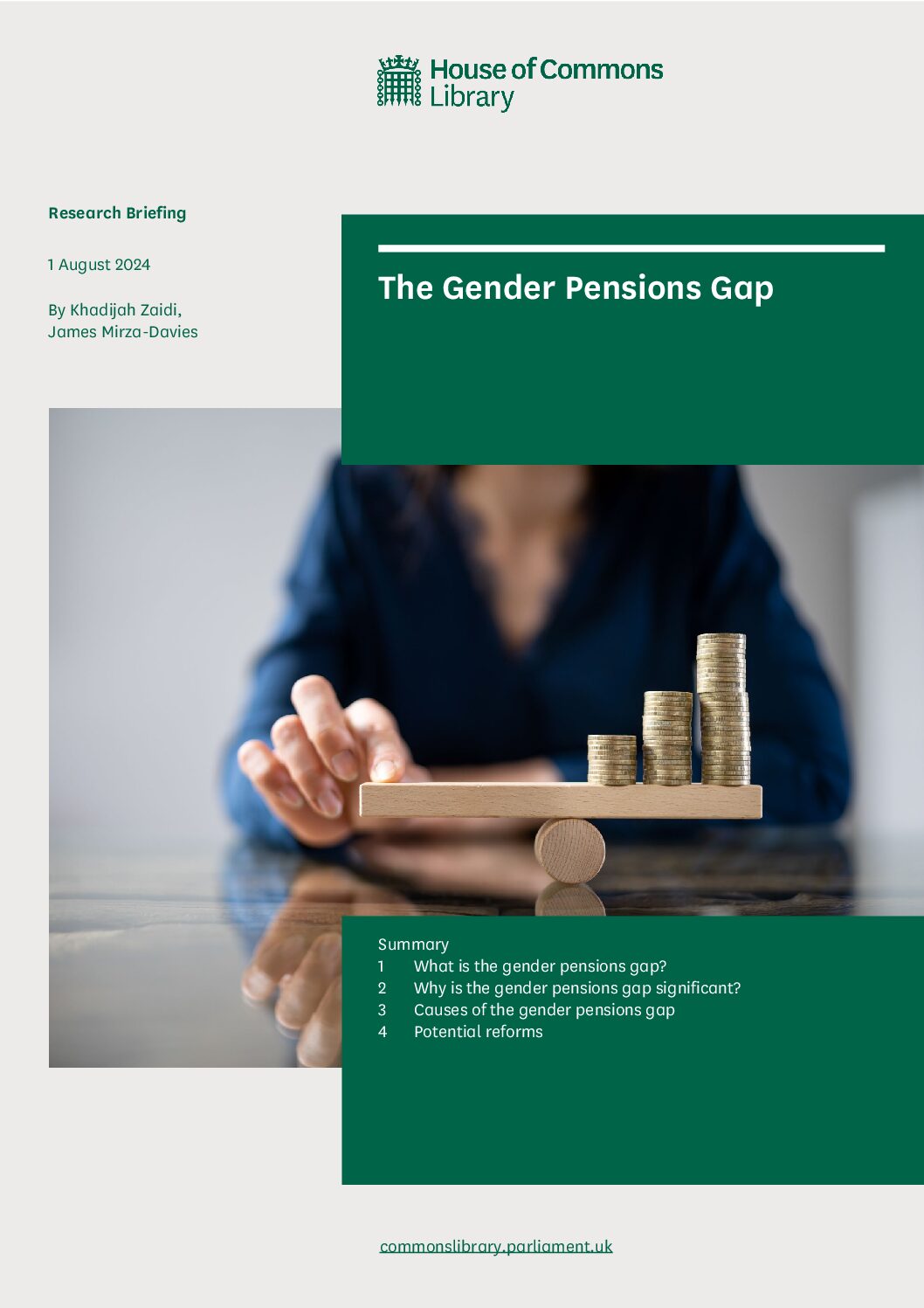
The Gender Pensions Gap

By Khadijah Zaidi & James Mirza-Davies The gender pensions gap refers to differences in retirement income or retirement wealth for men and women, and it can be measured in different ways. The gender pensions gap is mainly caused by the gender pay gap. There are however additional causal factors relating specifically to pensions, such as historic state pension rules, the impact of auto-enrolment rules on different types of workers, and how divorce settlements treat pensions. The Work and Pensions Committee...

February 2025

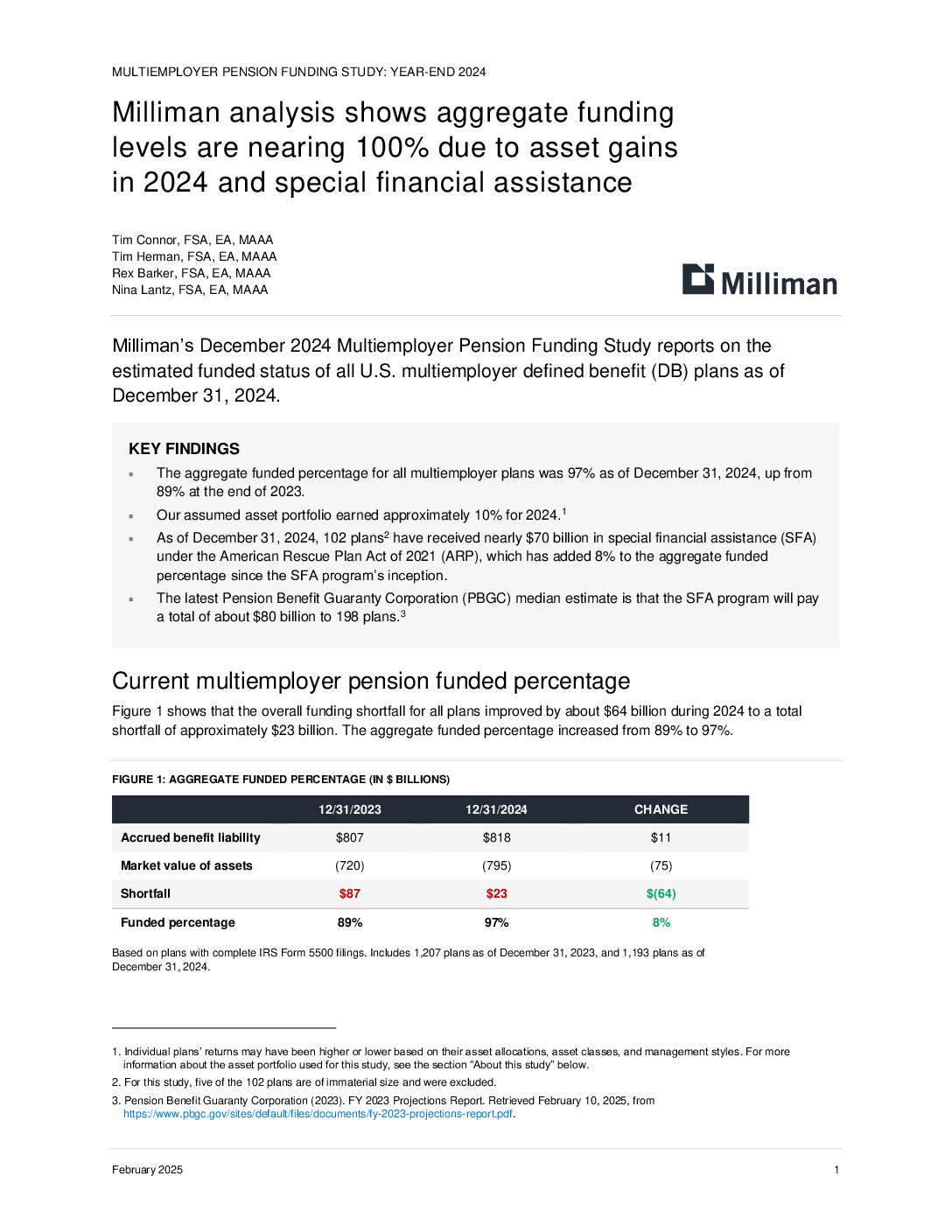
Multiemployer Pension Funding Study: Year-end 2024

By Tim Connor,Timothy Herman,Rex Barker & Nina Lantz The amounts in Figure 1 reflect the $70 billion in SFA granted to 97 plans that received the funds by December 31, 2024, including $16 billion paid during 2024. Without the SFA program, the aggregate funded percentage would be approximately 89%. The liabilities in Figure 1 are projected using discount rates equal to each plan’s actuarial assumed return on assets. Assumed returns generally fall between 6.0% and 8.0%, with a weighted average interest...

January 2025

NIRS’ Pensionomics 2025 Report

By Andrew Clark Earlier this month, the National Institute on Retirement Security (NIRS) released its bi-annual Pensionomics report, which details how spending from defined-benefit pensions boosts economies in communities nationwide and continues to be a reliable economic driver for millions of people. The report examines the impact of pensions on local economies nationwide by calculating the benefits paid to retirees and the subsequent spending generated by these benefits. This analysis includes tax revenue and local expenditures, which stimulate the broader economy, leading...

Allianz Global Pension Report 2025: Time to walk the talk

By Allianz Research  Allianz published the third edition of its “Global Pension Report”, which analyzes 71 pension systems around the globe with the help of the company's own “Allianz Pension Index” (API). The indicator consists of three pillars: analysis of the demographic and fiscal situation, and an assessment of the sustainability (e.g. financing and contribution periods) and adequacy (e.g. coverage and pension levels) of the pension system. A total of 40 parameters are taken into account, with scores between 1...