August 2025

Pensions Investment Review: Final Report

By HM Treasury, Department for Work and Pensions & Ministry of Housing Communities and Local Government The Final Report sets out the conclusions of the Pensions Investment Review, launched in July 2024.  Legislation to implement the reforms will form part of the forthcoming Pension Schemes Bill. The reforms will deliver a major consolidation in the Defined Contribution (DC) workplace pensions market. This will enable more investment in productive assets and greater potential returns for members of DC workplace schemes. A reserve power will also...
The Path to 2075 — The Positive Story of Global Aging (Daly/Njie/Allen)

By Jan Hatzius, Joseph Briggs, Kevin Daly, Johan Allen, Sarah Dong & Megan Peters The global population is aging, driven by a combination of increased longevity and declining fertility. This phenomenon is most pronounced in developed (DM) economies, where the ‘working-age ratio’ (ages 15-64) has already decreased from 67% in 2000 to 63%, and is projected to fall to 57% by 2075. In emerging economies, the 15-64 share is close to a peak (66%) and is expected to decline to...

Competition Among Dutch Pension Funds: Is there Any?

By Jacob Antoon Bikker & Jeroen Meringa This paper adds to the literature by analysing for the first time the functioning of the Dutch pension funds market from a competition or efficiency perspective. Of course, competition is severely limited on this highly regulated market. The analyses focus on a key property of well-functioning markets: the reward of efficiency. The conclusion can be drawn that in the market for pension funds efficiency is indeed rewarded, up to a certain level. New...

Enhancing Financial Regulation of Green Infrastructure Investment

By Andreas (Andy) Jobst The paper examines the critical need for enhanced financial regulation to support green infrastructure investment as climate action becomes increasingly pressing. It points out that infrastructure is responsible for more than two-thirds of global greenhouse gas emissions and that climate-related disasters lead to annual losses of nearly one percent of GDP, with poorer countries being disproportionately affected. Green infrastructure plays a crucial role in reducing carbon footprints through renewable energy and low-emission transport, as well as...

Extending Healthspans in an Aging World

By Stephen P. Utkus & Olivia S. Mitchell Extensions in human longevity are prompting a growing interest in maximizing healthspan, or the number of years of life unencumbered by the chronic diseases of old age. This chapter reviews recent research on healthy life extension, including several measures and determinants of longer healthspans. We also provide an overview of recent efforts by medical and business enterprises to enhance longevity and healthspan, followed by a discussion of policy and workplace options to...

July 2025

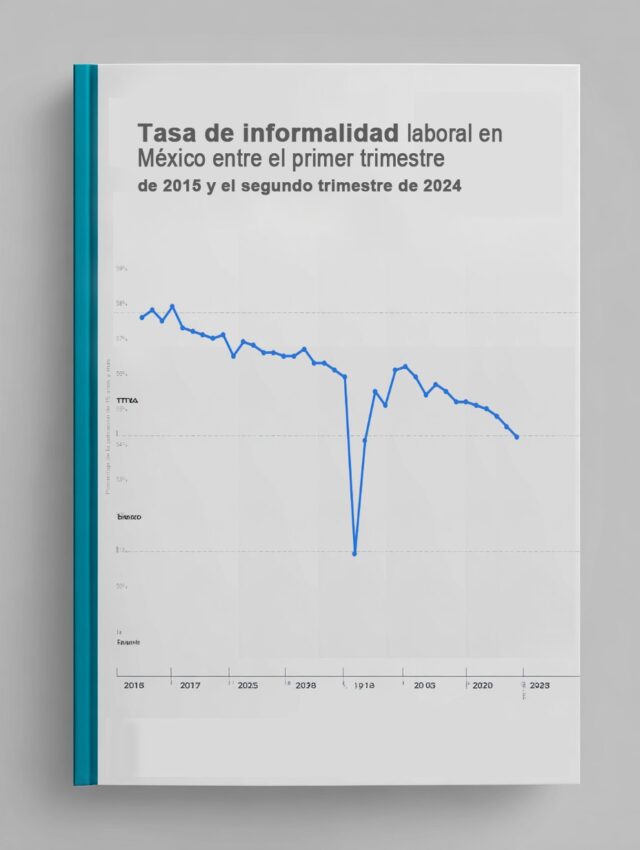
Tasa de informalidad laboral en México entre el primer trimestre de 2015 y el segundo trimestre de 2024

Por Statista Research Department En el tercer trimestre de 2024, el 54.6% de la población mexicana de 15 años o más contaba con empleos de carácter informal. Este indicador refleja el porcentaje de personas ocupadas que, al no contar con acceso a la seguridad social básica a través de su empleo, se encuentran en situación de vulnerabilidad y carecen de protección en términos de garantías laborales fundamentales. Libro completo aquí

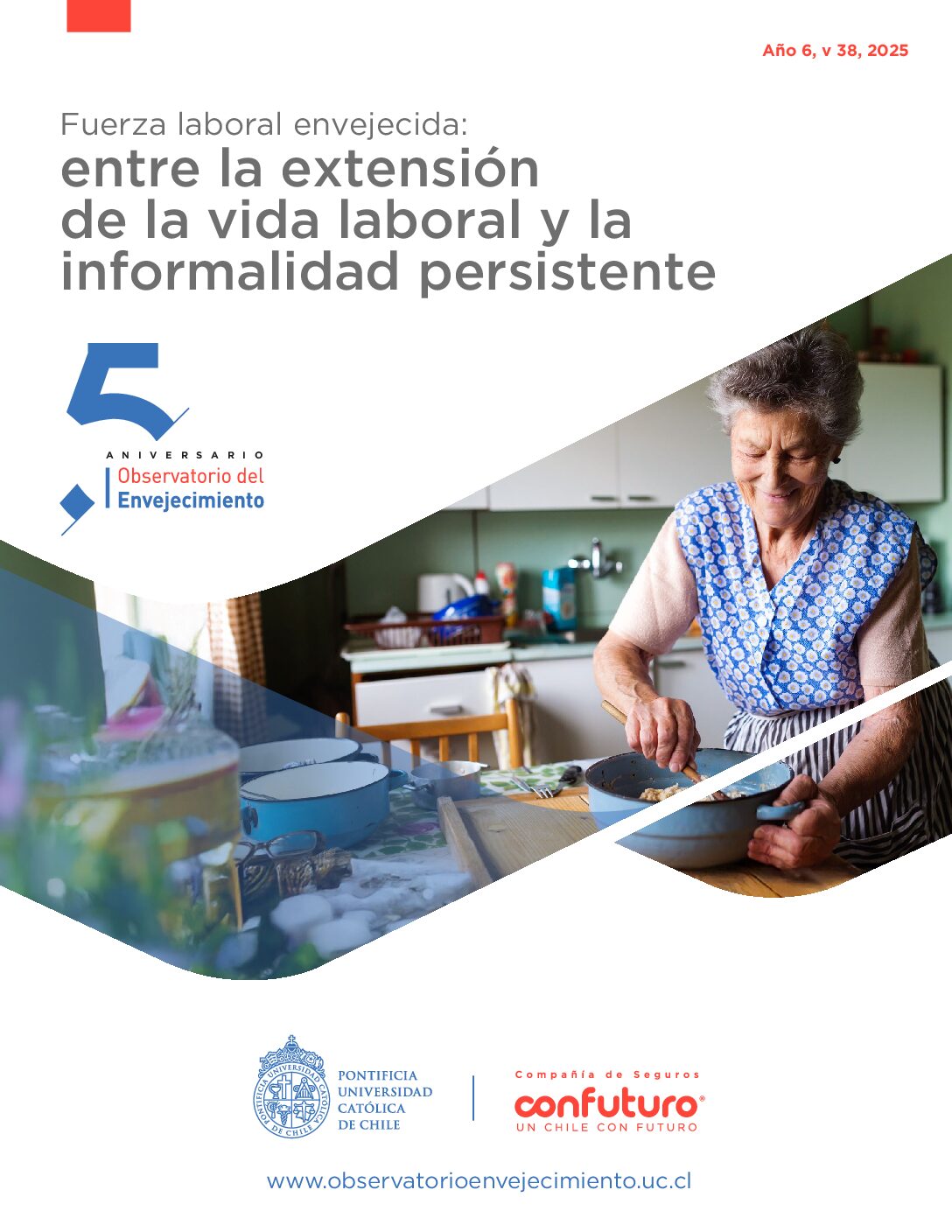
Fuerza laboral envejecida: entre la extensión de la vida laboral y la informalidad persistente

Por Observatorio del Envejecimiento  La informalidad es una característica persistente y significativa en la participación laboral de las personas mayores. La tasa de informalidad adopta una forma de “U” a lo largo del ciclo de vida: es alta en la juventud, disminuye en la adultez media y vuelve a aumentar en edades avanzadas. Las brechas según nivel de ingresos son significativas. Entre los hombres de 65 a 69 años, el 79% del quintil de menores ingresos continúa trabajando informalmente, mientras...

América Latina: Un Continente Joven en Proceso de Envejecimiento

Por Eleonora G. Ermólieva El envejecimiento poblacional es un fenómeno global, pero, según los expertos de organismos internacionales, en América Latina este proceso se desarrolla a un ritmo más elevado que en otras regiones del mundo. A finales de la década corriente en la región habrá más personas mayores de 60 años que las menores de 15. Para el año 2030 el grupo de tercera edad llegará a 114,9 millones de habitantes y representará el 16,5% de la población total....

Brechas de género desigualdad en el ingreso y factores socioeconómicos de las mujeres en México

Por David Robles Ortiz &  Paulina Cortés Hernández Uno de los grupos que presentan mayor vulnerabilidad laboral son las mujeres trabajadoras en México, las cuales tienen mayor presencia en empleos informales carentes de prestaciones laborales y, en muchos casos, sin ingresos. El presente estudio tiene por objetivo analizar la desigualdad económica relacionada al ingreso que perciben las mujeres en México en el mercado de trabajo formal e informal. Lo anterior se logra con el análisis de microdatos y una estimación...

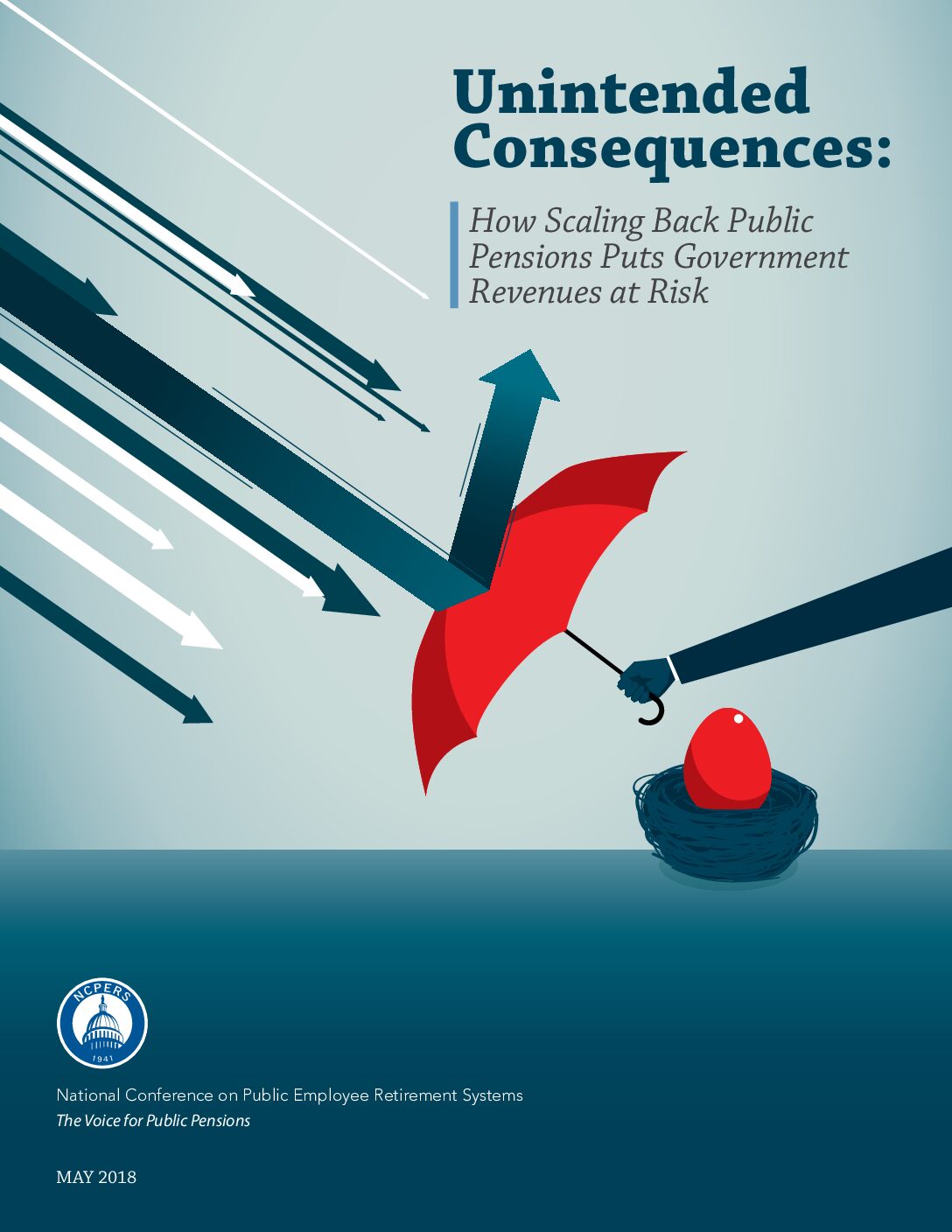
Unintended Consequences: How Scaling Back Public Pensions Puts Government Revenues at Risk

By National Conference on Public Employee Retirement Systems The argument that taxpayers cannot afford public pensions has gained traction despite a woeful lack of empirical evidence to support it. Legislators across the nation are contemplating options for the future funding of public-sector worker retirement benefits at a time when competition for finite state and local resources is fierce. The reasons are familiar: the lingering effects of recession and misguided budget priorities have taken a toll. Time and again, defined-benefit pensions...