March 2021

The PEPP Contribution to the Capital Markets Union (CMU)

By Jorik van Zanden, Hans van Meerten, Andrea Minto The EU has several ‘pension problems, for example ageing, poor portability and the lack of consumer protection. Furthermore, the EU internal market for pensions is not sufficiently developed. This not only prevents, for example, a cost-efficient pension build-up of an employee working abroad, but the differences among national rule also restrict a local pension participant in choosing a pension fund established abroad. All these problems have been recently pointed out in the...
Private Markets, Infrastructure and Venture Capital in the Post-COVID Era: The Pension Perspective

By David Weeks, M. Nicolas J. Firzli This second of a series of seven papers co-authored by M. Nicolas J. Firzli and David Weeks looks at the notions of private markets – PE, VC, private debt and infrastructure – and the "quest for yields" in a low interest rates environment, which where discussed at two recent global conferences organised by the G7 Pensions Summit (G7 P7) and the Singapore Economic Forum (SEF). ESG, impact investing, renewable energy and the notion of...

Gender Gap in Pension Income: Cross-Country Analysis and Role of Gender AttitudesBy

By Anna Veremchuk The aim of this paper is to study the gender pension gap in Europe based on the newest EU-SILC data from the 2018 wave. The contribution of the paper is twofold. First, it provides evidence on factors shaping the gender pension gap in a large number of EU countries. Second, it analyses the relationship between the pension gap and: (1) the coverage of occupational (second pillar) pensions and (2) gender attitudes. The main factor contributing to gender inequality in pension...

Pensions after the financial and economic crisis: a comparative analysis of recent reforms in Europe

By David Natali This paper sheds light on the initial impact of the economic and financial crisis on pensions policy across Europe, and assesses the first measures proposed and/or introduced in four EU countries. The author argues that while the impact on different pension models naturally varies, some common trends can be identified: short-term measures to grant additional protection for the elderly at risk of poverty, raising of the statutory retirement age, incentives for active ageing. The role of private...

Joint Report on Pensions Progress and key challenges in the delivery of adequate and sustainable pensions in Europe

By the Economic Policy Committee (Ageing Working Group), the Social Protection Committee (Indicators Sub-Group) and the Commission services (DG for Economic and Financial Affairs and DG Employment, Social Affairs and Equal Opportunities) Ensuring that public policies cater for sustainable, accessible and adequate retirement incomes now and in the future remains a priority for the EU. While Member States share similar fundamental challenges there are considerable differences in the timing of demographic ageing, the design of pension arrangements, the growth potential...

E.U. Pushes Companies to Close Gender Pay Gap

Pushing member states to address salary disparities between men and women, the European Union revealed details on Thursday of a proposed law that would require companies to divulge gender pay gaps and give job candidates access to salary information in employment interviews. It also would provide women with better tools to fight for equal pay. The move comes as female workers across the world have been disproportionately affected by the economic repercussions of the coronavirus crisis, and it could lead...

February 2021

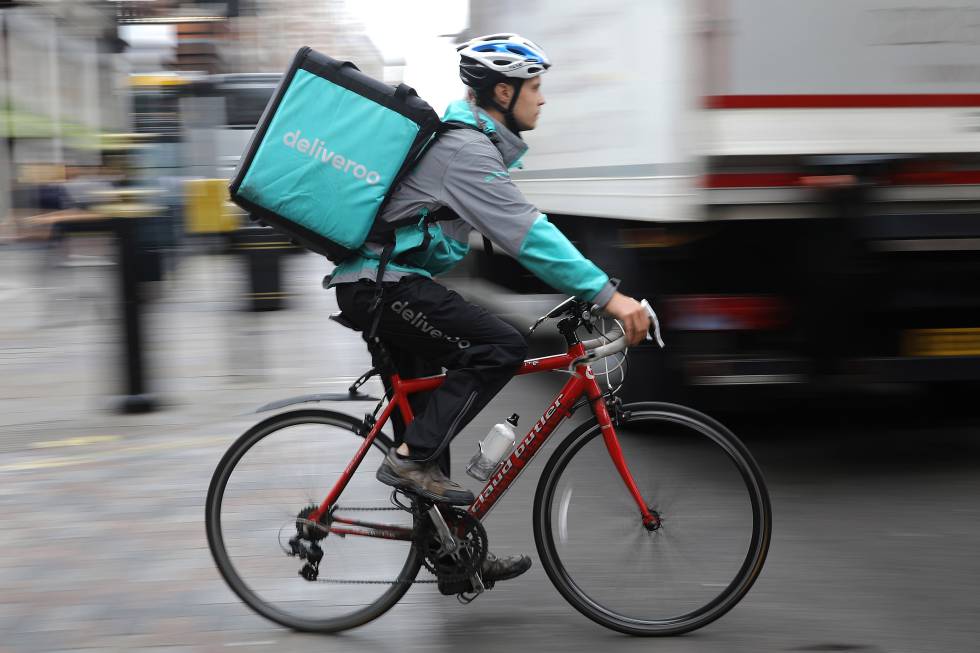
Protecting people working through platforms: Commission launches a first-stage consultation of the social partners

Today, the Commission launches the first-stage consultation of European social partners on how to improve the working conditions for people working through digital labour platforms. Platform work is developing rapidly in the EU across a growing number of business sectors. It can offer increased flexibility, job opportunities and additional revenue, including for people who might find it more difficult to enter the traditional labour market. However, certain types of platform work are also associated with precarious working conditions, reflected...

Emerging Europe strong on women’s economic opportunities but dragged down by low pensions

Countries from the emerging Europe region performed well on the latest global survey of women’s economic opportunities from the World Bank. The post-socialist countries of Central, Southeast and Eastern Europe and Eurasia had an average score of 86.4 points out of 100, while globally, women had just three-quarters of the legal rights afforded to men on average around the world. The report “Women, Business and the Law 2021”, looks at laws and regulations in eight areas that affect women’s economic opportunities...

Latvian pensioners most at-risk of poverty in European Union

Latvian pensioners are the most at risk of suffering poverty among all European Union member states, according to data published by Eurostat February 3. Based upon data from 2019 the proportion of pensioners aged over 65 who are deemed to be at risk of poverty was between 10% and 30% in the majority of EU Member States. The four countries with an at-risk-of-poverty rate above 30% in 2019 were Latvia (54%), Estonia (51%), Bulgaria (36%) and Lithuania (35%). In...

January 2021

Unearned Income and Labor Supply: Evidence from Survivor Pensions in Austria

By René Böheim, Michael Topf We study the effect of lower unearned income on labor supply. To identify the causal effect of an unexpected reduction in unearned income, we exploit a policy reform that lowered survivor pensions in Austria. Men widowed after the survivor pension reform received an approximately 34% lower survivor pension than men widowed before the reform. We follow the employment history of both groups for 150 months and estimate the reform’s effect on labor supply using...