October 2024

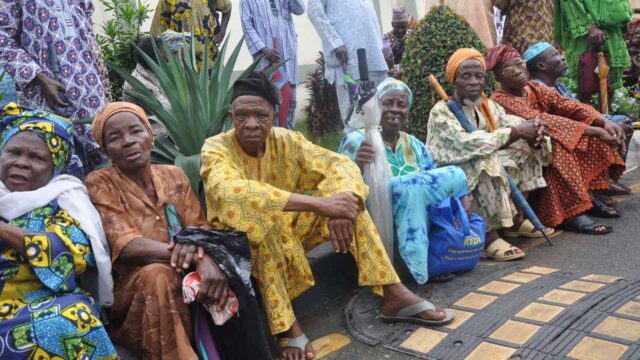
Kenya. Workers in informal sector to receive regulated wages, pension in new govt plan

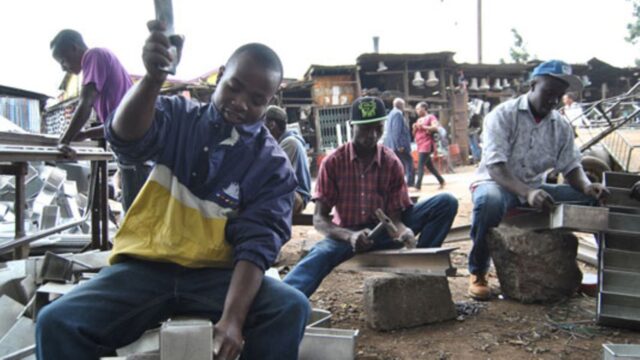
The government has announced that workers in the informal sector will soon begin saving for their retirement and receive medical coverage through an expanded social protection programme. Speaking on Thursday during the launch of a social protection project funded by China in Nairobi, Labour and Social Protection Cabinet Secretary Alfred Mutua said the new plan, which is set for immediate implementation, is expected to benefit Kenya's 16 million informal-sector workers. This will be done by introducing regulated minimum wages and mandating...

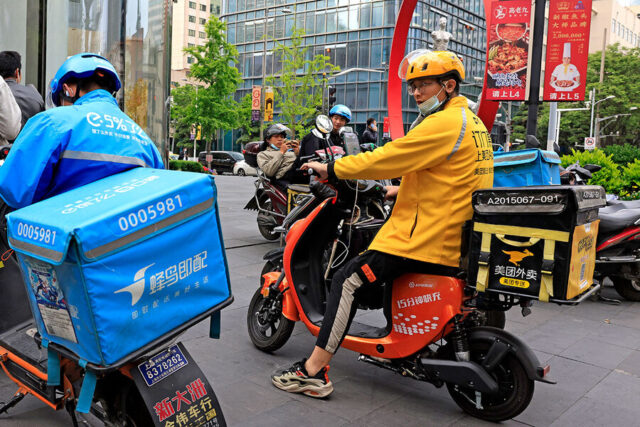
Platform workers: a new era of labour protection in Singapore

The Platform Workers Act coming into effect on 1 January 2025 will be a game-changer in Singapore’s labour landscape.  It marks a significant step towards recognising the unique circumstances of platform workers and providing them with essential protections. As one of the first countries to establish specific safeguards for this growing workforce, Singapore is demonstrating its commitment to adapting labour laws to the evolving digital economy. Understanding Platform Workers and Platform Operators The Act defines “platform workers” as individuals who contract...

How many Canadians are gig workers?

More than one in five (22%) Canadians are participating in gig work of various kinds across the country. That equates to about 7.3 million adults finding work outside of regular employment. And they are doing it for a variety of reasons, reports Securian Canada, with more than half (57%) — or roughly four million people — relying on this type of work to supplement their primary income. Nearly three-quarters (73%) of all gig workers are either employed full-time or part-time outside...

New ILO report highlights urgent need for improved labour and social protection for domestic workers in ASEAN

A new report by the International Labour Organization (ILO) highlights the critical need to improve labour and social protection for domestic workers across the 10-member Association of Southeast Nations (ASEAN) region. The report entitled Labour rights and social protection coverage for domestic workers in ASEAN  finds that despite their essential role in supporting households and economies, domestic workers, many of whom are women and migrants face significant gaps in protections that affect their well-being and economic security. There are about 38.3 million domestic...

Labor Market Gender Gaps in Türkiye: A Bird’s Eye View

By Silvia Domit & Damla Kesimal Despite recent improvements, Türkiye’s low female labor force participation and high share of informal female workers stand out internationally. Closing these gender gaps would boost medium-term growth and make it more inclusive. This paper puts these gaps in an international context, explores their interlinkages with fiscal policies, and identifies policy priorities. Source SSRN

Assessing Immigration Impacts in Developing Countries. The Case of Syrian Refugees in Lebanon

By Riccardo Magnani & Marie-Claude KAMAR This article analyzes the effects of low-skilled immigration in developing countries characterized by a large informal sector, high unemployment (especially among highly educated people), and low participation of women in the labor force. We use an OLG model to account for the general equilibrium linkages between the immigration shock, the level of wages and employment, the education choice, and the emigration choice made by natives. The model includes search and matching frictions in the...

September 2024

Pension Coverage and Informal Sector Workers: International Experiences

By Yu-Wei Hu & Fiona Stewart  Pension reform around the world in recent decades has focused mainly on the formal sector. Consequently, many of those working in the informal sector have been left out of structured pension arrangements, particularly in developing countries – a serious problem given this group are often low income earners, vulnerable to economic volatility and change. However, since the turn of the millennium, efforts in a range of countries have increasingly highlighted improving pension coverage for...

Precarity trap: Gig economy failing Asia’s youth

Precarious employment among youth in the Asia-Pacific region has become an increasingly urgent issue, with a growing number of young people trapped in temporary jobs without social security or long-term contracts. According to the International Labor Organization’s Global Employment Trends for Youth 2024 report, over 28% of youth in Southeast Asia and the Pacific were engaged in temporary employment that lacked financial security and social protections in 2023. This situation not only undermines the financial stability of individuals but also has...

Ghana. NPRA press releases on informal sector pensions: Matters arising

There are two press releases circulating on Informal Sector Pensions dated 26/08/2024 and 30/08/2024 issued by the National Pensions Regulatory Authority (NPRA), bringing to the attention of the general public that informal sector pensions already exist. In the 30/08/2024 press release, the NPRA directly linked informal sector workers to self-employed persons, stating: “…the new Pensions law has offered opportunities for self-employed persons (informal sector workers) to voluntarily contribute towards their pensions. Additionally, the NPRA associated Personal Pension Schemes with the informal...

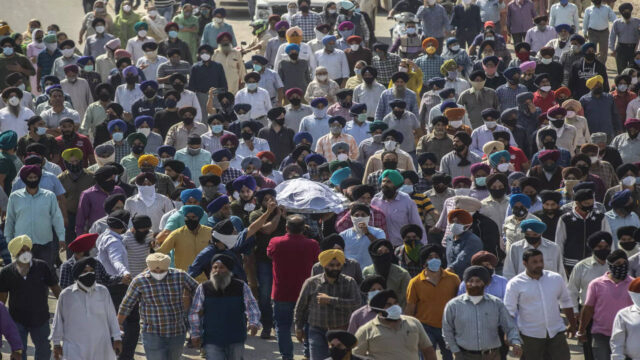
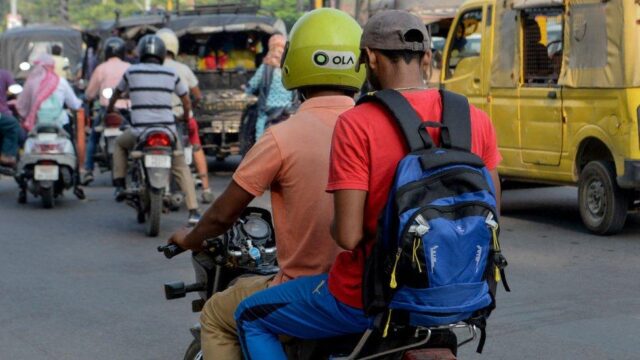
India. Social security benefits for gig workers likely to be on fast-track: Report

The Indian government plans to advance the launch of social security benefits for workers employed in unorganised sectors potentially before the full implementation of the comprehensive Social Security Code, according to a report by The Economic Times. This development follows efforts by several states to introduce similar provisions within their local laws. The Ministry of Labour and Employment has been engaged with aggregators operating in digital marketplaces for gig work, urging them to prepare for the extension of social security benefits...