June 2025

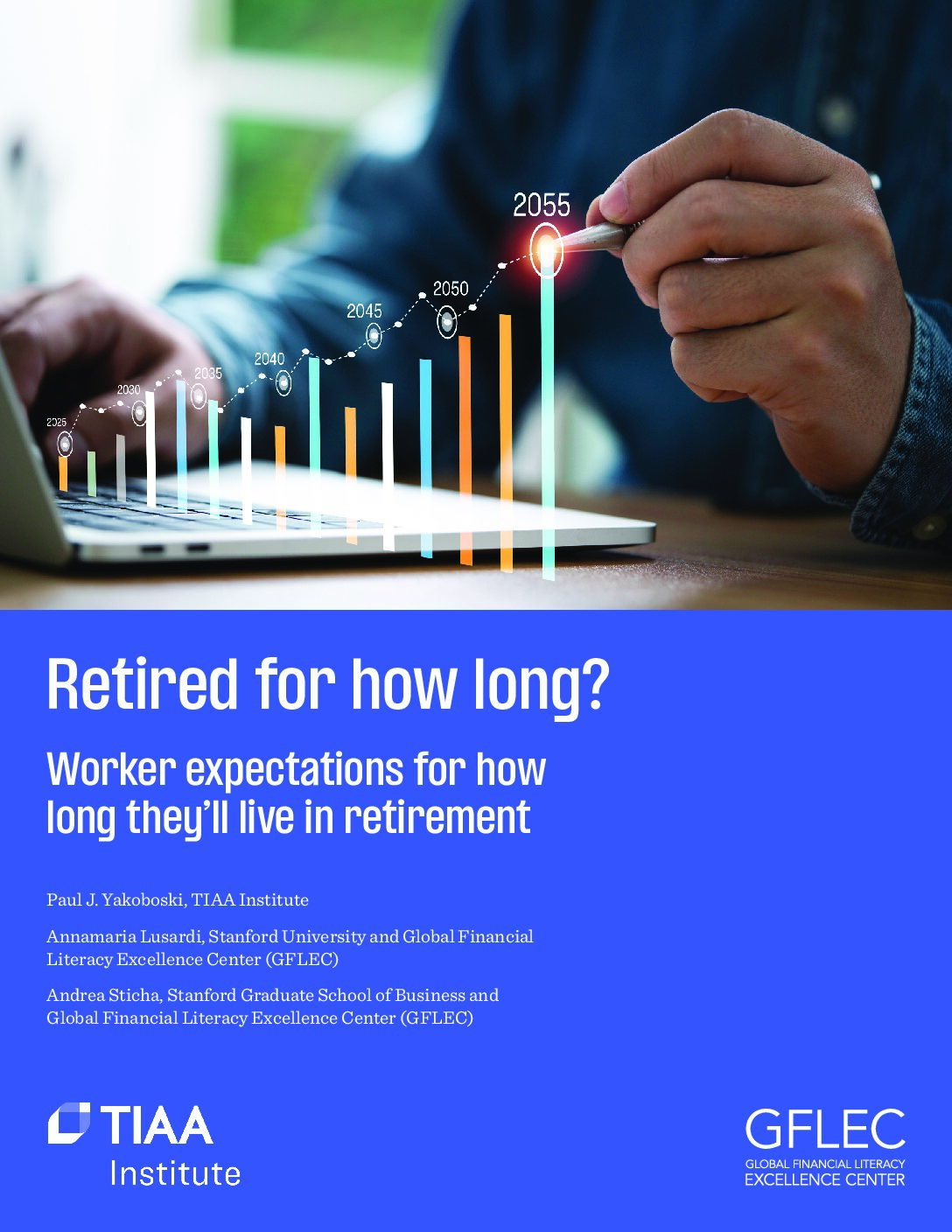
Retired for how long? Worker expectations for how long they’ll live in retirement

By Paul J. Yakoboski,  Annamaria Lusardi & Andrea Sticha The influence of perceptions is noteworthy given that one-third of adults underestimate general life expectancy among 65-year-olds (and an additional one-quarter respond “don’t know” when asked). Workers who expect relatively short lifespans due to misperceptions about general life expectancy are at risk of accumulating inadequate financial resources for retirement. Their retirement planning horizon is “too short.” In addition, those with shorter expected lifespans appear less likely to plan and save for retirement. For example, about...
Milliman Pension Buyout Index May 2025

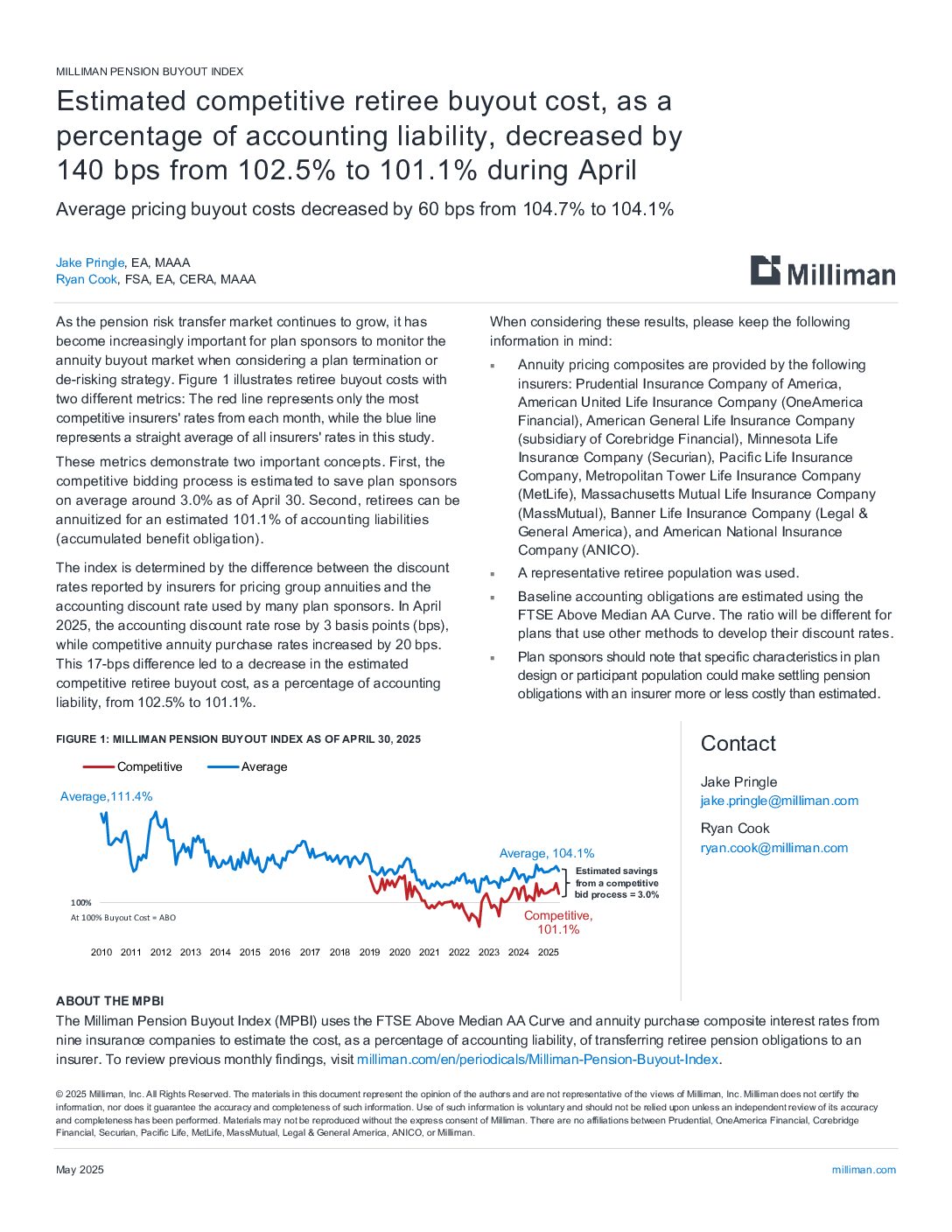
By Jake Pringle & Ryan Cook Estimated competitive retiree buyout cost, as a percentage of accounting liability, decreased by 140 bps from 102.5% to 101.1% during April As the pension risk transfer market continues to grow, it has become increasingly important for plan sponsors to monitor the annuity buyout market when considering a plan termination or de-risking strategy. Figure 1 illustrates retiree buyout costs with two different metrics: The red line represents only the most competitive insurers' rates from each month,...

PensionsEurope’s Position Paper on the European Commission’s Omnibus Simplification Proposal

By Pension Europe PensionsEurope welcomes the European Commission (EC) initiative which aims to align crucial EU legislation concerning Sustainable Finance. PensionsEurope firmly believes that the competitiveness of the EU economy is vital, it is possible to reduce the administrative burden without undermining the EU's policy objectives regarding the green transition. However, any simplification should be carefully balanced to ensure that material sustainability information on risks, opportunities, and impacts-critical to informed investor decision-making-is preserved. Accordingly, the Omnibus package should aim to streamline...

May 2025

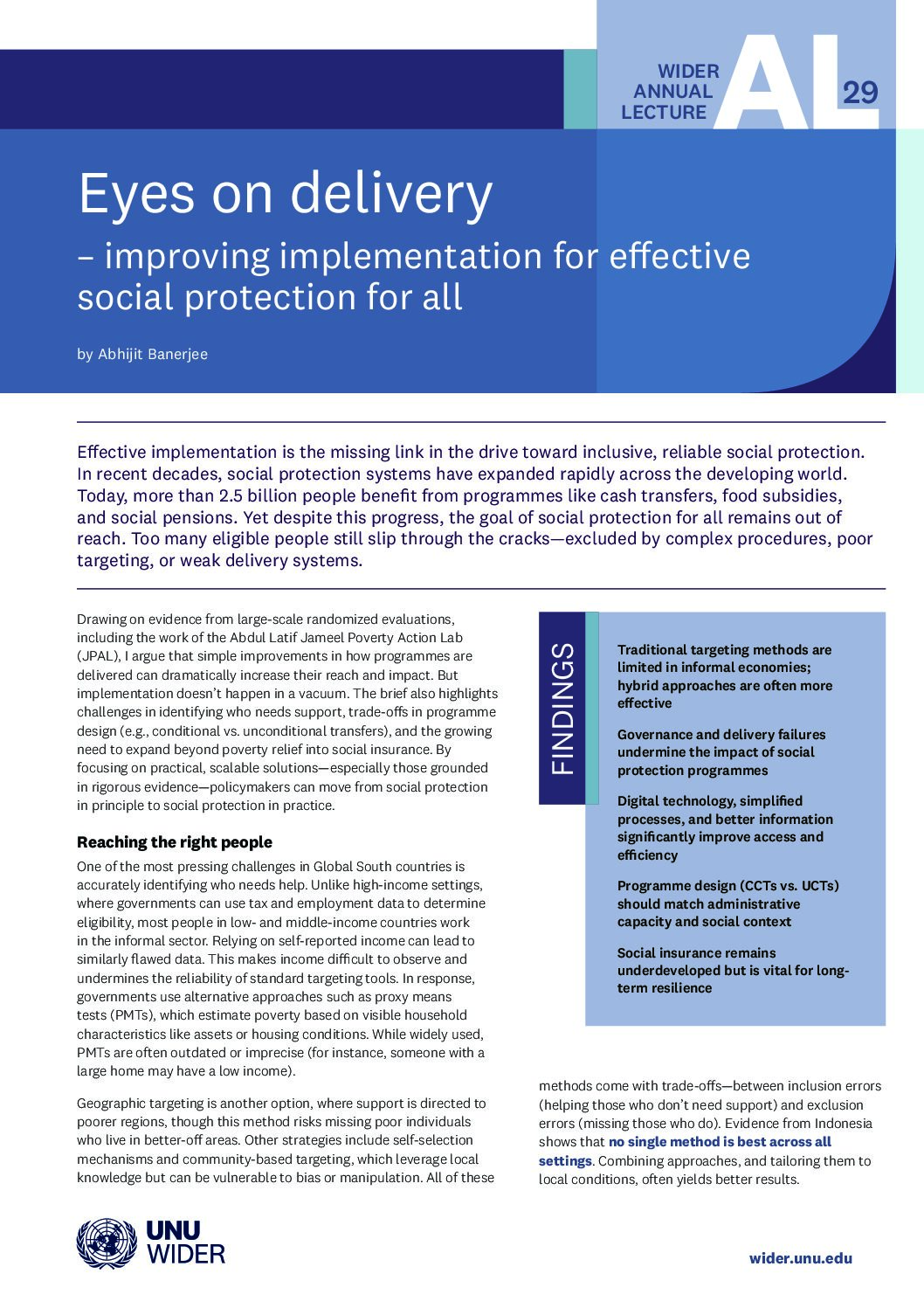
Eyes on delivery – improving implementation for effective social protection for all

By Abhijit V. Banerjee Effective implementation is the missing link in the drive toward inclusive, reliable social protection. In recent decades, social protection systems have expanded rapidly across the developing world. Today, more than 2.5 billion people benefit from programmes like cash transfers, food subsidies, and social pensions. Yet despite this progress, the goal of social protection for all remains out of reach. Too many eligible people still slip through the cracks—excluded by complex procedures, poor targeting, or weak delivery...

Annual survey on financial incentives for retirement savings. Country profiles 2024

By Organisation for Economic Co-operation and Development Countries provide financial incentives to encourage individuals to save for retirement in asset-backed pension plans. Financial incentives for retirement savings can take the form of tax incentives, which are indirect subsidies through the tax code, or non-tax incentives, which are direct government payments into pension accounts. This annual survey provides an overview of the tax treatment of retirement savings and covers non-tax incentives to promote retirement savings in OECD countries and four accession...

Sustainability reporting on pension schemes the path forward

In an era marked by growing awareness of environmental, social and governance (ESG) considerations, sustainability reporting has emerged as a crucial aspect for organisations, investors and stakeholders. For pension schemes, particularly, integrating sustainability into their reporting frameworks is more than just a regulatory requirement; it’s an ethical imperative that aligns with the long-term nature of their commitments to retirees and the society. Read the complete book here

European semester thematic factsheet adequacy and sustainability of pensions

Pensions are the main source of income for older people in Europe, coming mostly from 'pay-as-you-go' public schemes. Retired people drawing a pension are a significant and — due to demographic ageing — a growing part of the EU population (about 124 million, or a quarter of the total population1). European pension systems are facing the dual challenge of remaining financially sustainable and being able to provide Europeans with an adequate income in retirement. The key purpose of pension...

The Longevity Story: Opportunities and Considerations

By World Governments Summit   This report delves into the concept of longevity, highlighting how advancements in medical technology, sanitation, preventive care, and lifestyle choices have significantly increased human lifespans—from an average of 45 years in the 1950s to over 73 years today. While early efforts to extend life overlooked aging itself, recent focus on understanding and potentially reversing the aging process has fueled the growth of the longevity industry. Organizations like Altos Labs, Hevolution Foundation, and Pure Health are pioneering...

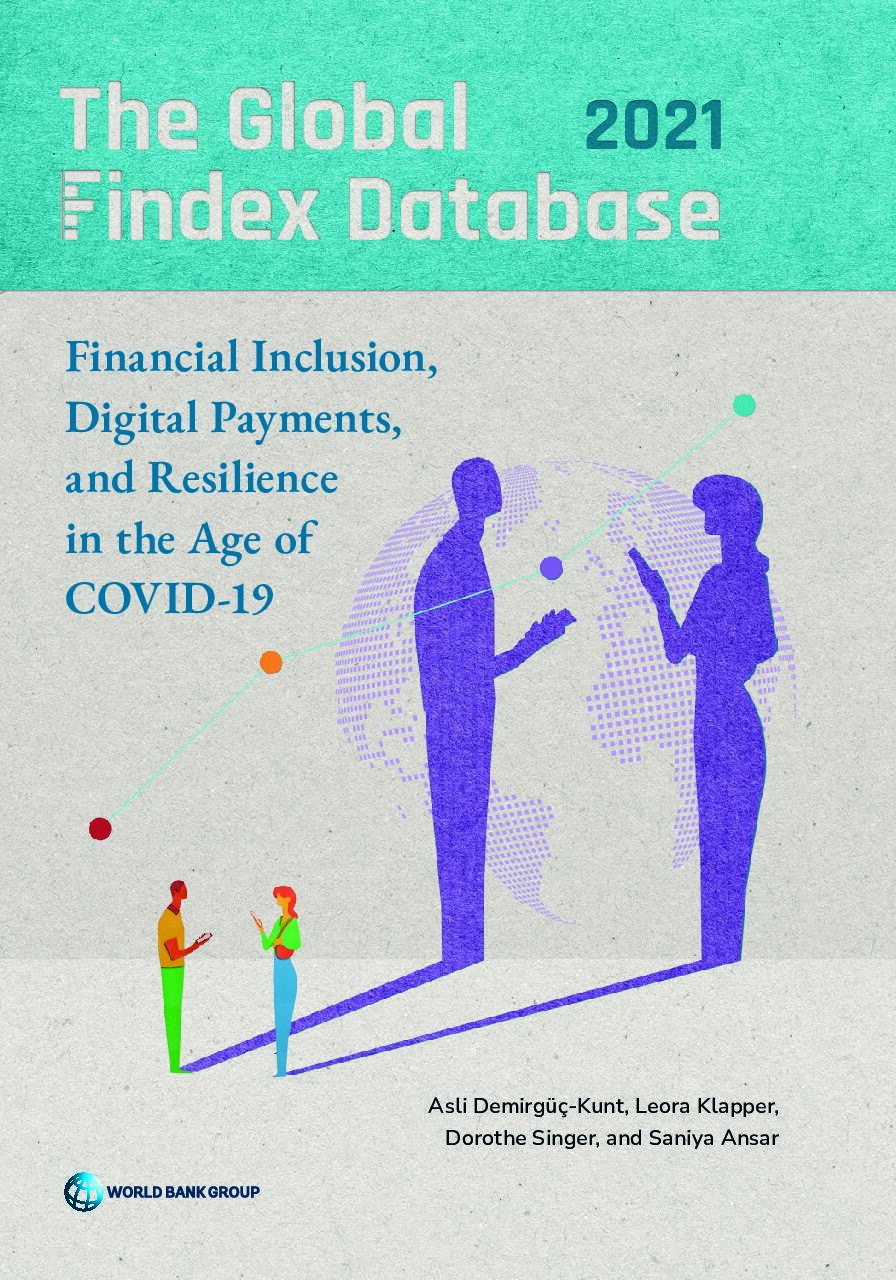
The Global Findex Database 2021: Financial Inclusion, Digital Payments, and Resilience in the Age of COVID-19

By World Bank Group  Financial inclusion is a cornerstone of development, and since 2011, the Global Findex Database has been the definitive source of data on global access to financial services from payments to savings and borrowing. The 2021 edition, based on nationally representative surveys of about 128,000 adults in 123 economies during the COVID-19 pandemic, contains updated indicators on access to and use of formal and informal financial services and digital payments, and offers insights into the behaviors that...

The DC Future Book 2024: in association with Columbia Threadneedle Investments

By Pensions Policy Institute This report is the tenth edition of the Pensions Policy Institute’s (PPI) The DC Future Book: in association with Columbia Threadneedle Investments, setting out available data on the Defined Contribution (DC) landscape alongside commentary, analysis and projections of future trends. Demographic and policy changes mean that, compared to previous generations of pensioners, current and future retirees will. These changes increase the risk borne by pension savers and the complexity of decisions they must make at, and during,...