June 2025

Patterns of LGBTQ+ Patient Experiences and Receipt of Preventive Care in Midlife and Older Age: A Latent Class Analysis

By Nathaniel M. Tran, Tara McKay, Gilbert Gonzales, Carrie Fry & Stacie B. Dusetzina Introduction: Understanding how LGBTQ+ patient experiences vary and are associated with receipt of preventive services may help reduce disparities between LGBTQ+ and non-LGBTQ+ populations. Objective: (1) To identify latent classes of LGBTQ+ patient experiences using seven indicators of clinical and cultural competence, (2) to identify sociodemographic characteristics associated with class membership, and (3) to evaluate the relationship between class membership and receipt of preventive care. Methods: 954 LGBTQ+...

Discriminación laboral hacia la comunidad LGBT: scoping review

Por Valeria Álvarez Martínez En pleno siglo XXI, la discriminación hacia la comunidad LGBT en el ámbito laboral persiste, a pesar de los esfuerzos constantes de este grupo por alcanzar la igualdad de derechos. Esta investigación tiene como objetivo examinar los factores presentes en la discriminación laboral hacia personas LGBT a nivel global, identificados en la literatura científica, y proponer estrategias que contribuyan a su erradicación. La metodología utilizada fue la scoping review, una revisión sistemática exploratoria que permite mapear...

Malestares emocionales y estrategias de afrontamiento de migrantes LGBTQ en tránsito por México

Por Shoshana Berenzon-Gorn, Jorge Galván-Reyes, Sarahí Alanís-Navarro, Ma. Elena Medina-Mora & Nayelhi Saavedra-Solano Describir los malestares emocionales y las estrategias de afrontamiento utilizadas, de un grupo de migrantes de la comunidad LGBTQ (lesbiana, gay, bisexual, transgénero y queer) en su país de origen y en los de tránsito y destino, y analizar la intersección con otras categorías como nacionalidad, clase social, género y orientación sexual, entre otras. Fuente Salud Pública de México

Relaciones entre envejecimiento activo y población LGTB+

Por Natalia Camila Gramajo Graña El siguiente artículo propone un estado de la cuestión sobre las relaciones entre el envejecimiento activo y la población LGTB+ con el propósito de comprender cómo influye una sexualidad por fuera de la cisheteronormatividad en el proceso de envejecimiento. Para ello, se realizó una búsqueda en las bases de Google Académico la cual se mostraron 772 resultados. Luego, una selección en base a los títulos que arrojó una muestra de 25 textos. A partir de...

Personas mayores olvidadas: deuda del sistema de salud

Por Carmen García-Peña, Raúl H. Medina-Campos, Mario U. Pérez-Zepeda, Jimena Vázquez-García, Diego Terán & Alethse de la Torre-Rosas El ejercicio de todos los derechos humanos es inherente a las personas, mismos que deben ser garantizados por los Estados sin importar las características propias de las personas, tales como edad, género, preferencias sexuales, origen étnico, nacio- nalidad o estado migratorio. Se presenta una reflexión acerca de la discriminación que padecen las personas mayores, no solo por el hecho de su edad sino también...

Dignity 2022: The Experience of LGBTQ Older Adults

By Cassandra Cantave Burton There are over 2.4 million LGBT adults over age 50 in the United States — a number expected to double by 2030 to over 5 million, according to Movement Advancement Project (MAP). A vast majority (85%) of older LGBTQ individuals are concerned about discrimination based on sexual orientation. They are also worried about how they will care for themselves and others. Two-thirds believe they will need someone to provide caregiving for them in the future and eight in...

Retired for how long? Worker expectations for how long they’ll live in retirement

By Paul J. Yakoboski,  Annamaria Lusardi & Andrea Sticha The influence of perceptions is noteworthy given that one-third of adults underestimate general life expectancy among 65-year-olds (and an additional one-quarter respond “don’t know” when asked). Workers who expect relatively short lifespans due to misperceptions about general life expectancy are at risk of accumulating inadequate financial resources for retirement. Their retirement planning horizon is “too short.” In addition, those with shorter expected lifespans appear less likely to plan and save for retirement. For example, about...

‘Scared of being pushed back into the closet’: Europe’s new LGBT+ retirement communities

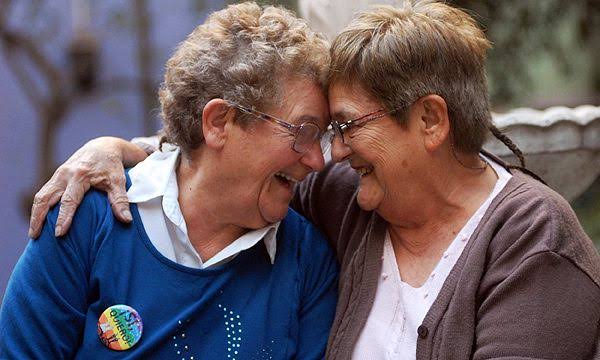
By Estelle Nilsson-Julien For many older LGBTQ+ the prospect of moving into a retirement home is a worrying thought. But in Sweden, Spain and France new retirement communities for LGBTQ+ seniors are proving a hit. "Care home staff don't realise that they have LGBTQ+ residents - but based on population estimates we know they do. It's just that residents don't feel comfortable or safe being identified as LGBTQ+", explains Professor Paul Willis, an expert in social care. Older members of the LGBTQ+ community can "be at higher...

Immigration and Adult Children’s Care for Elderly Parents: Evidence from Western Europe

By Andrea Berlanda, Elisabetta Lodigiani & Lorenzo Rocco In this paper, we use the Survey of Health, Ageing, and Retirement in Europe (SHARE), complemented with register data on the share of the foreign population in the European regions, to examine the effects of migration on the level of informal care provided by children to their senior parents. Our main results show that migration decreases informal care among daughters with a university degree, while it increases the provision of informal care...

LGBTQ+ Americans Face Retirement Inequities

By Pension Rights Center Pride Month is observed each June to mark the 1969 Stonewall Uprising that sparked the LGBTQ+  rights movement in the United States. Celebrations are centered around building community, recognizing the progress made towards equality, and honoring those who have made that progress possible. But Pride Month is also an opportunity to reflect on the work yet to be done, including the inequities that persist when it comes to the retirement income security of LGBTQ+ older adults. According...