August 2021

Focusing on ‘What Should MENA Pension Systems Look Like for Next 50 Years’ Annual Arab Pensions Conference 2021 Convenes in Manama

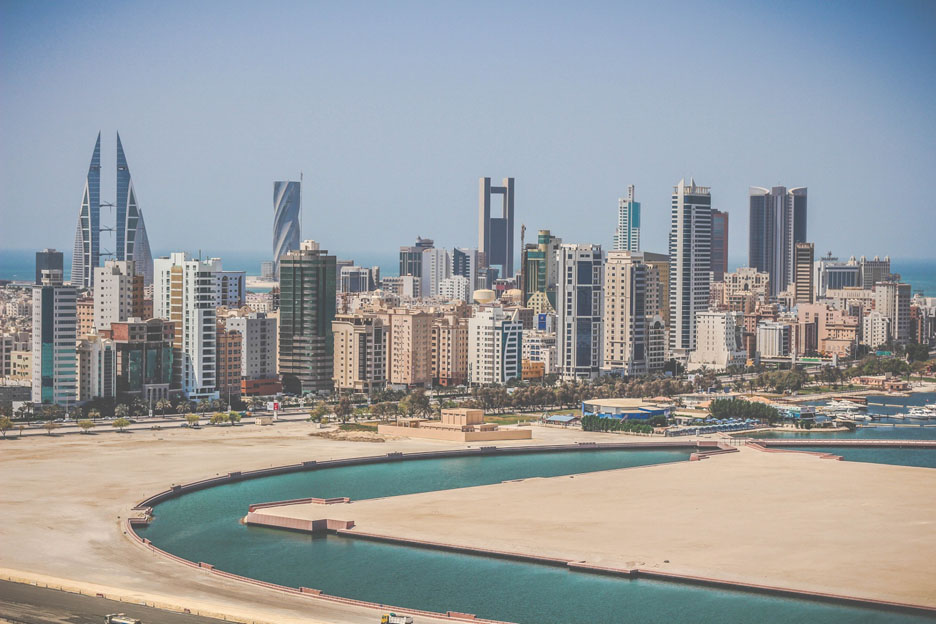
How should we design the MENA pension systems for the next 50 years? How do we want our children and their children to retire one or two generations from today? This is the theme or big question the highly attended annual Arab Pensions Conference 2021 will be tackling in its next edition on the 16th and 17th of November. Read also Does it Matter to be Informal? Type of employment and political opinions in the MENA region Hosted in Manama digitally...

US. How to Plan for Retirement in a Gig Economy

Being your own boss. Making your own schedule. Taking control of your career. Those perks and others—including not worrying about being downsized by your company—drive professionals into self-employment all the time. In fact, the gig economy keeps growing year after year. How big is the gig? Pretty enormous. The month before the 2020 pandemic exploded, CNBC reported that independent contractors made up anywhere from 10% to a third of workers. Then, Covid hit, and though some freelancers lost their work,...

It’s time to give essential workers the protections they deserve

The world's essential workers have kept things running during the pandemic. But many still lack the protections they deserve, such as maternity pay, pensions or paid sickness leave. An upcoming summit, Essential for Recovery, will give these workers a voice and a space in which to address corporate and social leaders. Justina Kgoele has been picking waste in South Africa for the last 25 years. Her income sustains her family, and her work helps to protect children in her community from picking...

2 billion workers of world population are in the informal sector – IMF

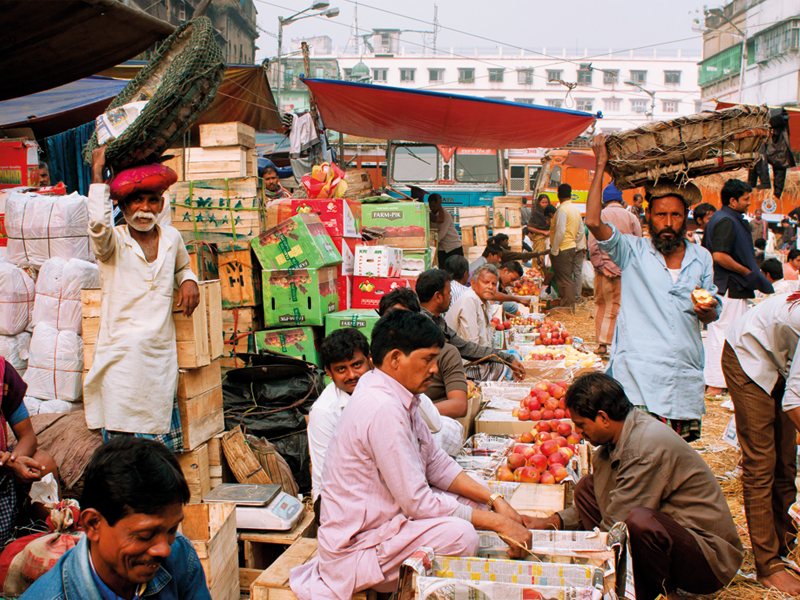
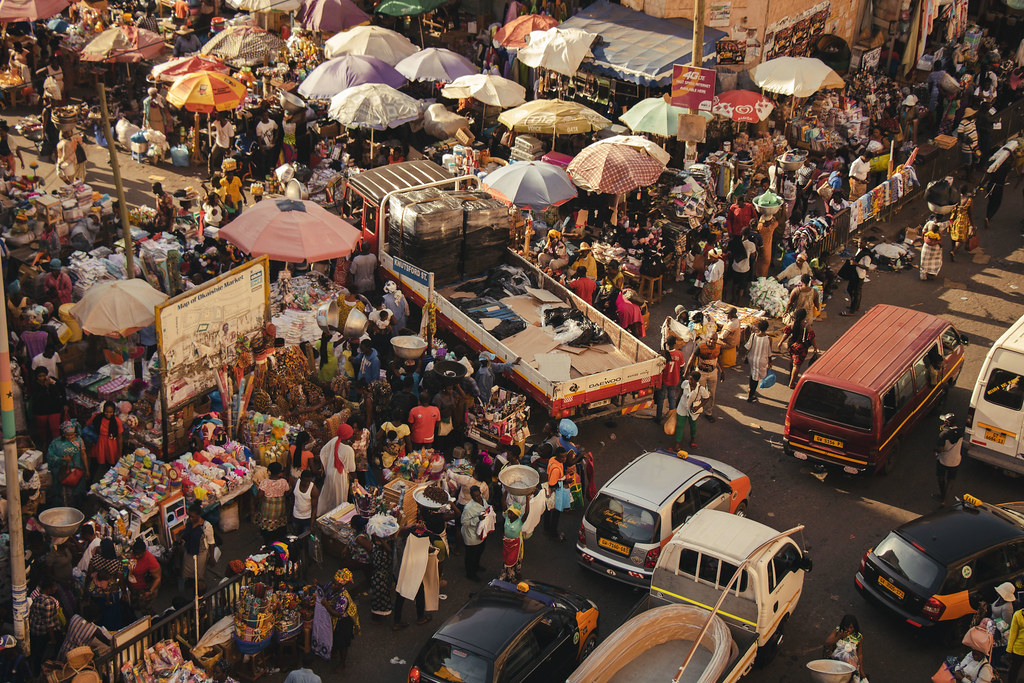
The informal economy is a globally widespread and pervasive phenomenon, the International Monetary Fund (IMF) has noted. The IMF added that 2 billion workers or 60 percent of the world population participate in the informal sector. Although most prevalent in emerging and developing economies, it is also an important part of advanced economies. Whereas workers and firms may choose to operate in the informal sector to avoid taxes or regulations, 85 percent of all informal workers around the world are in precarious employment in...

July 2021

Measuring the Informal Economy

By Gabriel Quiros Romero, Thomas F Alexander, Jennifer Ribarsky This paper proposes a framework for measuring the informal economy that is consistent with internationally agreed concepts and methodology for measuring GDP. Based on the proposed framework, the informal economy “comprises production of informal sector units, production of goods for own final use, production of domestic workers, and production generated by informal employment in formal enterprises.” This proposed framework will facilitate preparation of estimates of the informal economy as a component...

The Informal Economy and Economic Growth of Russia

By Minhyeon Jeong The size of the Russian informal economy has attenuated since 2014. However, there are a host of workers involved in economic exercises in the informal sector, and a handful of industries seems to rely on the informal economy too-much intensively. This manuscript takes a brief look at several issues going around the concept of the informal economy, then overviews the Russian informal economy and foresees its growth implications. Source: SSRN 556 views

Nigeria’s pension penetration level low, says PenOp

Nigeria should deepened its penetration beyond 11 per cent, the President, Pension Fund Operators Association of Nigeria (PenOP), Mr Wale Odutola, has said. Odutola spoke at the just-concluded National Assembly retreat in Lagos. He stated that there was the need to note the areas where the industry lags behind other countries, one of which is level of pension penetration. He said this became necessary because South Africa’s pension penetration is 19 per cent, Kenya 20 per cent and United Kingdom 77...

June 2021

Bright Africa 2020 Pension Industry. Modernising pension policies to future-proof long-term savings

By RISCURA The latest Bright Africa Pensions research highlights how African demographics are evolving and the impact of this on long-term savings. There is no doubt that Africa’s population is and will remain the world’s largest youthful cohort for a long-time to come, so serious thought, planning and innovation are urgently required to address the risk of individuals outliving their retirement savings. Research conducted by Albouy and Nogues (2019) shows that globally, life expectancy measured at age 65, has grown...

East Africa’s countries race to form inclusive, affordable pension schemes for informal sector

East African Community partner states are in the process of creating micro-pension schemes for employees in the informal sector to address the low pension coverage in the region, estimated at less than 10 percent. Read also Bright Africa 2020 Pension Industry. Modernising pension policies to future-proof long-term savings A new pension sector survey by global investment firm RisCura shows that Rwanda, Uganda and Kenya are among African countries racing to create affordable and all-inclusive old-age saving schemes for the informal sector...

Is informality a barrier to economic growth in Uganda? Empirical analysis

By Stephen Esaku We apply autoregressive distributed lag modeling approach to investigate the short- and long-run relationship between economic growth and informality in Uganda. We use annual time series data, covering the period from 1991 to 2017. We find evidence of short- and long-run relationship between economic growth and informality. The results indicate that an increase in informality significantly reduces the rate of economic growth in both the long- and short-run. This evidence seems to indicate that in low income...